In 1916, the currency situation in the Empire of Vietnam—officially a protectorate within French Indochina—was characterized by a complex and imposed colonial monetary system. The
French Indochinese Piastre (ICPi) was the sole legal tender, a strong silver-backed currency managed by the Banque de l'Indochine, a private French institution with note-issuing authority. This system was designed to integrate Vietnam into the French economic sphere, facilitating colonial export of rice, rubber, and coal, while ensuring monetary stability pegged to the French franc at a fixed rate. However, this stability primarily served French commercial and administrative interests, often to the detriment of the local population.
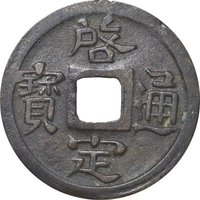
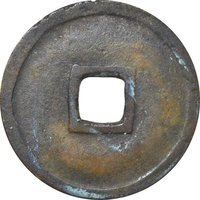
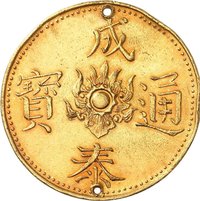
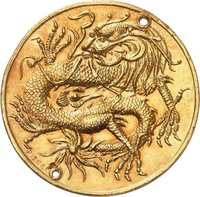
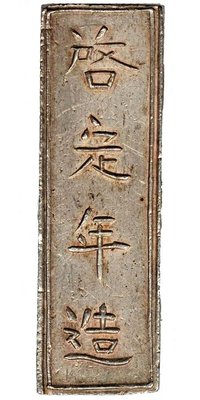
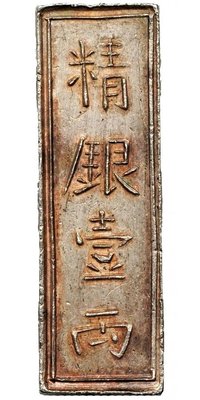
The circulation included silver piastre coins, subsidiary zinc coins for smaller transactions, and banknotes. A significant feature was the piastre's high silver content, which made it exceptionally strong relative to neighboring Asian currencies like the Chinese silver dollar or the Thai baht. This overvaluation discouraged regional trade outside the French orbit and made imports from France artificially cheap, further entrenching colonial economic dependence. For most Vietnamese, daily transactions relied on cumbersome fractional coins, while the banknotes and silver piastres remained symbols of colonial power and larger-scale commerce.
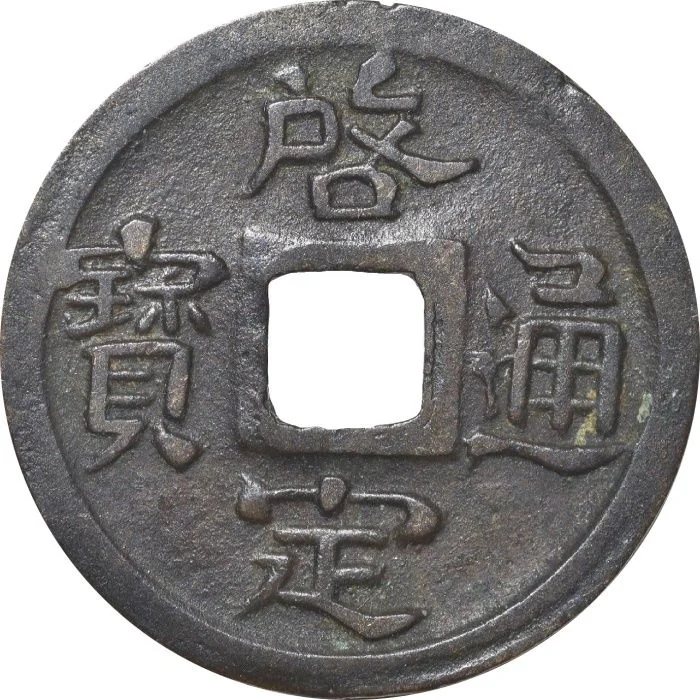
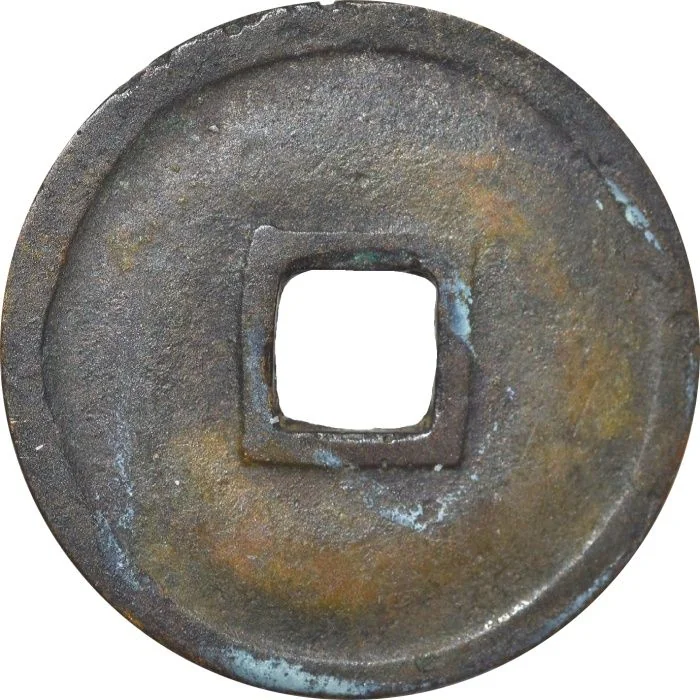
Despite the official uniformity, 1916 fell within a period of monetary tension. World War I (1914-1918) placed strain on the French franc, to which the piastre was anchored. Fears of inflation and metal shortages led the authorities to limit the convertibility of notes into silver, creating a de facto fiduciary system. Furthermore, the traditional use of zinc and bronze coins for everyday market transactions continued, highlighting a disconnect between the high-value colonial currency and the local subsistence economy. Thus, the currency situation in 1916 reflected a dual reality: a superficially stable and unified colonial system, underpinned by wartime pressures and fundamentally structured to serve imperial extraction over local prosperity.