In 1919, the currency situation in the Empire of Vietnam—a term referring to the Nguyễn Dynasty's realm under French colonial administration—was characterized by a complex and imposed dual system. The official currency was the French Indochinese piastre, issued by the Bank of Indochina (
Banque de l'Indochine), which held a monopoly on note issuance. This silver-backed piastre was the legal tender for all major transactions, trade, and government functions, firmly tying the Vietnamese economy to the French colonial financial structure and the wider Indochinese Union of Tonkin, Annam, and Cochinchina.
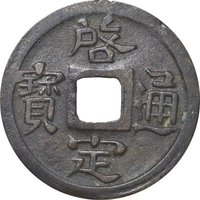
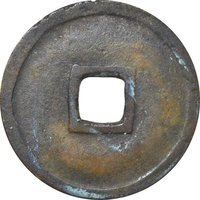
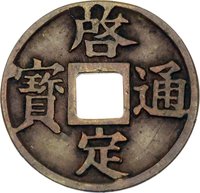
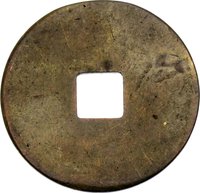
Alongside this dominant colonial currency, a traditional system of copper-alloy cash coins, known as
văn or
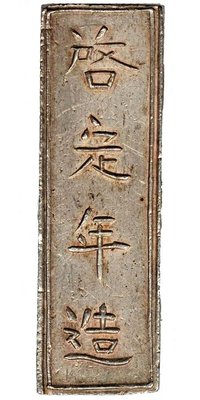
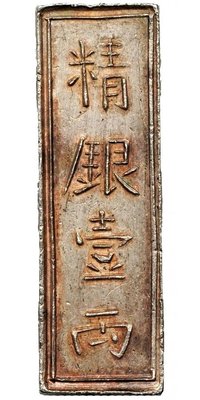
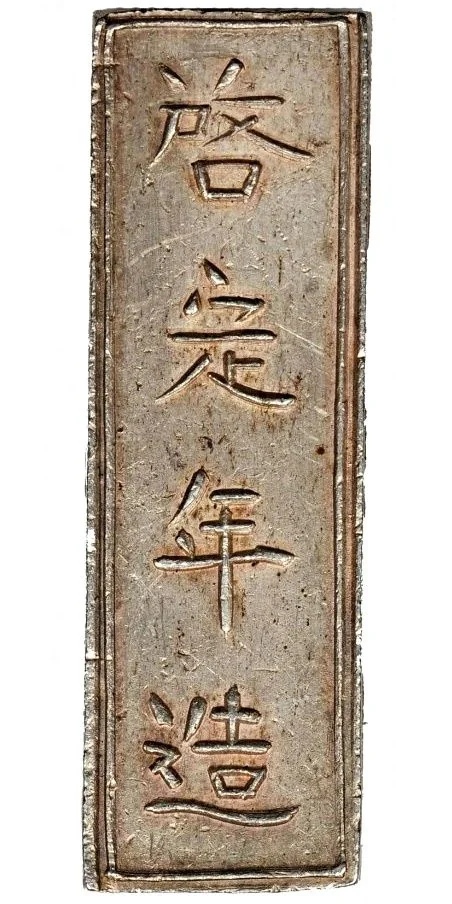
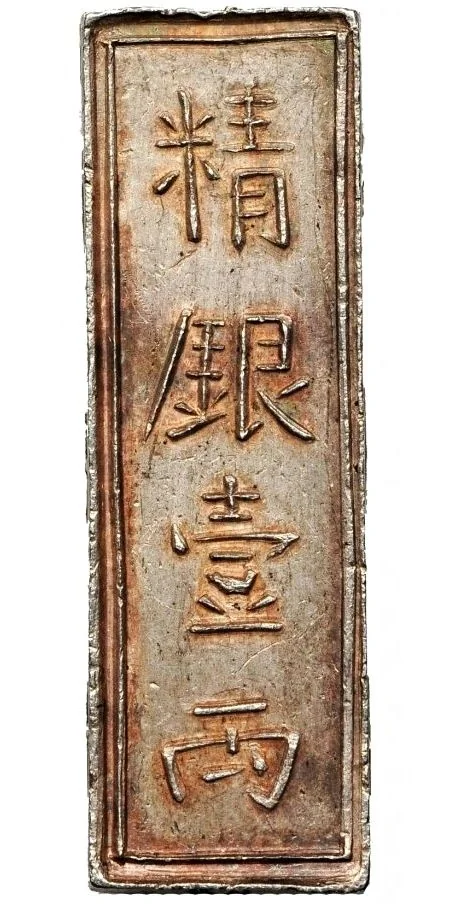
sapèque, remained in widespread local circulation, particularly for everyday small-scale transactions among the peasantry. These coins, some still bearing the reign titles of Nguyễn emperors like Khải Định (1916-1925), symbolized the lingering facade of indigenous authority but had no fixed exchange rate with the piastre. Their value fluctuated based on local scarcity and was often manipulated by merchants and money changers, leading to instability for the common population.
The year 1919 itself fell within a period of post-World War I economic adjustment. Global silver price volatility directly affected the piastre's value, influencing export economies like rice and rubber. Furthermore, the colonial administration was gradually phasing out the old zinc and copper coinage in favor of a more standardized subsidiary currency, a process that increased financial control but also caused localized hardship. Thus, the monetary landscape was one of colonial domination through the piastre, layered over a fragile and diminishing traditional system, creating an economically stratified society vulnerable to both local manipulation and global market forces.