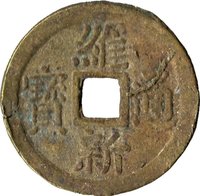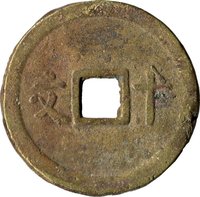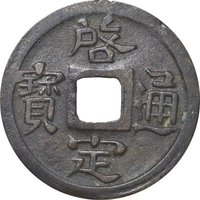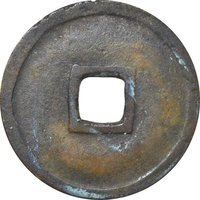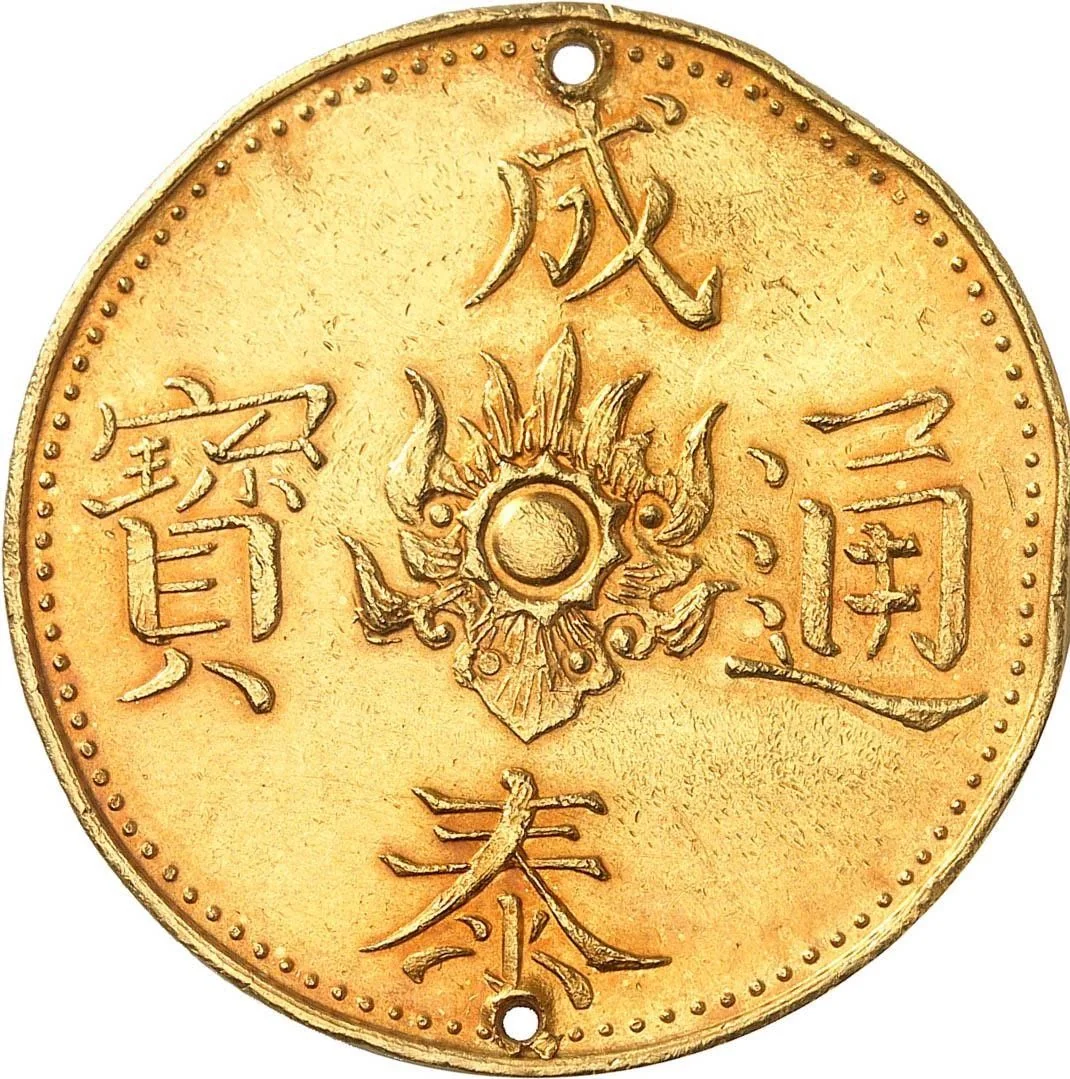
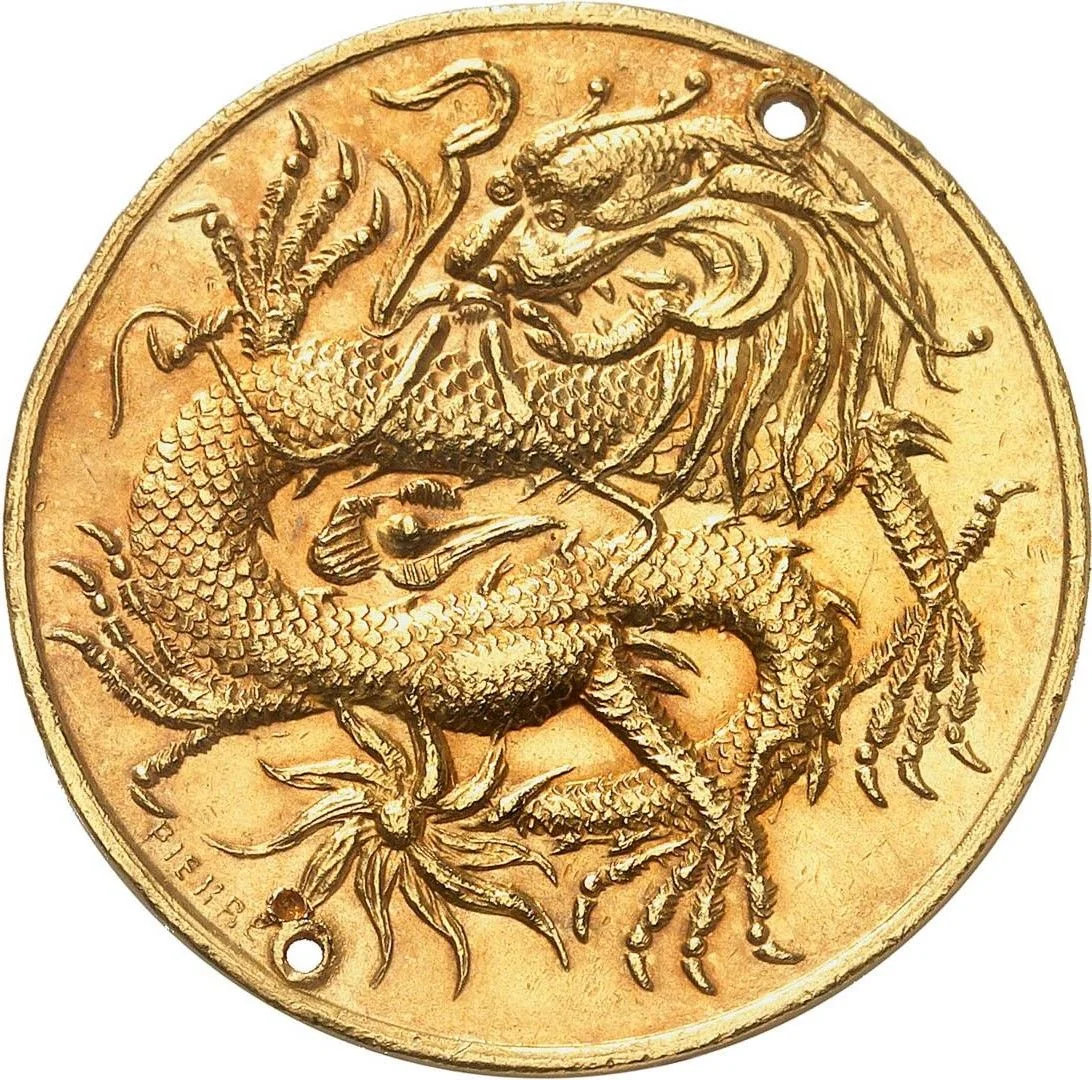
In 1908, the currency situation in the Empire of Vietnam, a French protectorate comprising Annam and Tonkin (with Cochinchina being a direct colony), was characterized by a complex and imposed monetary duality. The traditional currency system, based on zinc and copper-alloy cash coins (
sapèque) strung together, remained in widespread daily use among the local population, particularly in rural areas. However, this system was cumbersome and regionally inconsistent, and French colonial authorities were actively working to marginalize it in favor of a modern, unified currency that would facilitate colonial trade and administration.
The dominant currency was the French Indochinese Piastre (ICPi), introduced by the Banque de l'Indochine in 1885. This silver coin, and its accompanying subsidiary coinage, was the official legal tender for all major transactions, tax payments, and international trade. The piastre's value was pegged to silver, but its circulation created tension as it was often hoarded or exported, leading to periodic shortages. Furthermore, its high value relative to the old cash coins made it impractical for small, everyday purchases, forcing the continued parallel use of the traditional system.
This monetary duality reflected the broader colonial reality: a French-driven economic modernisation superimposed upon a resilient traditional society. The year 1908 itself was one of significant peasant unrest and anti-tax protests (notably the "Anti-Tax Revolts" in Annam), where currency issues were intertwined with broader grievances. While not the sole cause, the burdensome colonial head tax, demanded in piastres, and the disruption of local economies exacerbated popular discontent, highlighting how currency policy was a direct instrument of colonial control and a source of friction within the protectorate.