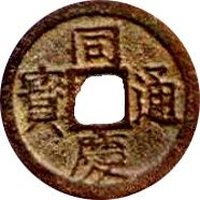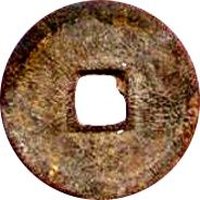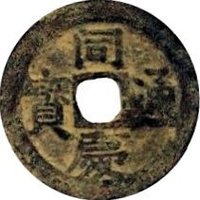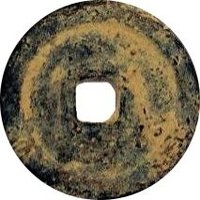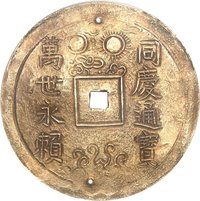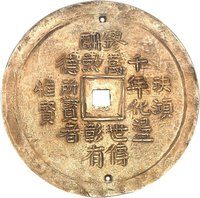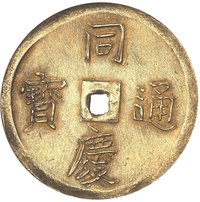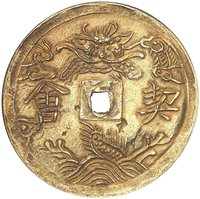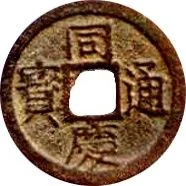

In 1885, the currency situation in the Empire of Vietnam was one of profound transition and fragmentation, directly resulting from the imposition of French colonial rule following the Treaty of Huế (1884). Although Emperor Hàm Nghi nominally remained on the throne, real authority had shifted to the French Protectorate administration. This political duality was mirrored in the monetary system, which saw the parallel circulation of traditional Vietnamese coinage, Mexican and Spanish silver dollars (piastres de commerce), and the new currency introduced by the French colonial authorities, the
piastre de commerce issued by the Bank of Indochina (established in 1875).
The traditional system, based on copper-alloy cash coins (
văn) and silver bars or ingots (
lạng), remained in use for local, everyday transactions, especially in rural areas. However, the French aggressively promoted their own currency to standardize the economy for colonial exploitation and trade integration. The Bank of Indochina's piastre, pegged to the silver standard, became the official unit of account for government transactions, tariffs, and major commerce. This created a complex and often unstable exchange environment, as the value of the old Vietnamese coinage fluctuated against the French piastre, leading to confusion and potential exploitation in markets.
Therefore, the monetary landscape in 1885 was not unified but rather a contested zone reflecting the broader colonial struggle. The coexistence of multiple currencies symbolized the incomplete transition from an independent feudal economy to a colonial extractive one. This period set the stage for the gradual phasing out of the imperial minting system and the deeper entrenchment of the French-controlled financial apparatus, which would fully subordinate Vietnam's economy to the interests of the
métropole in the decades to follow.