

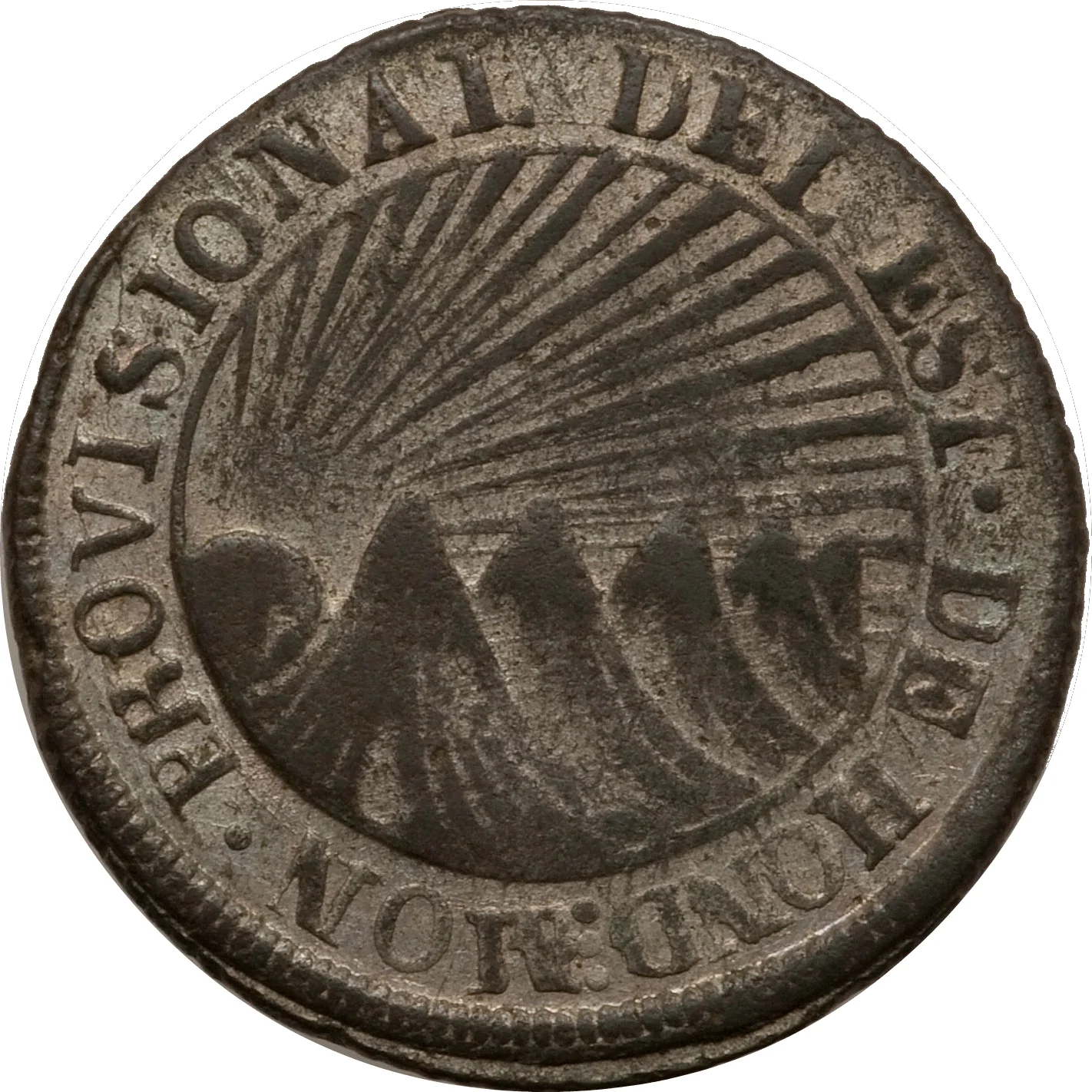
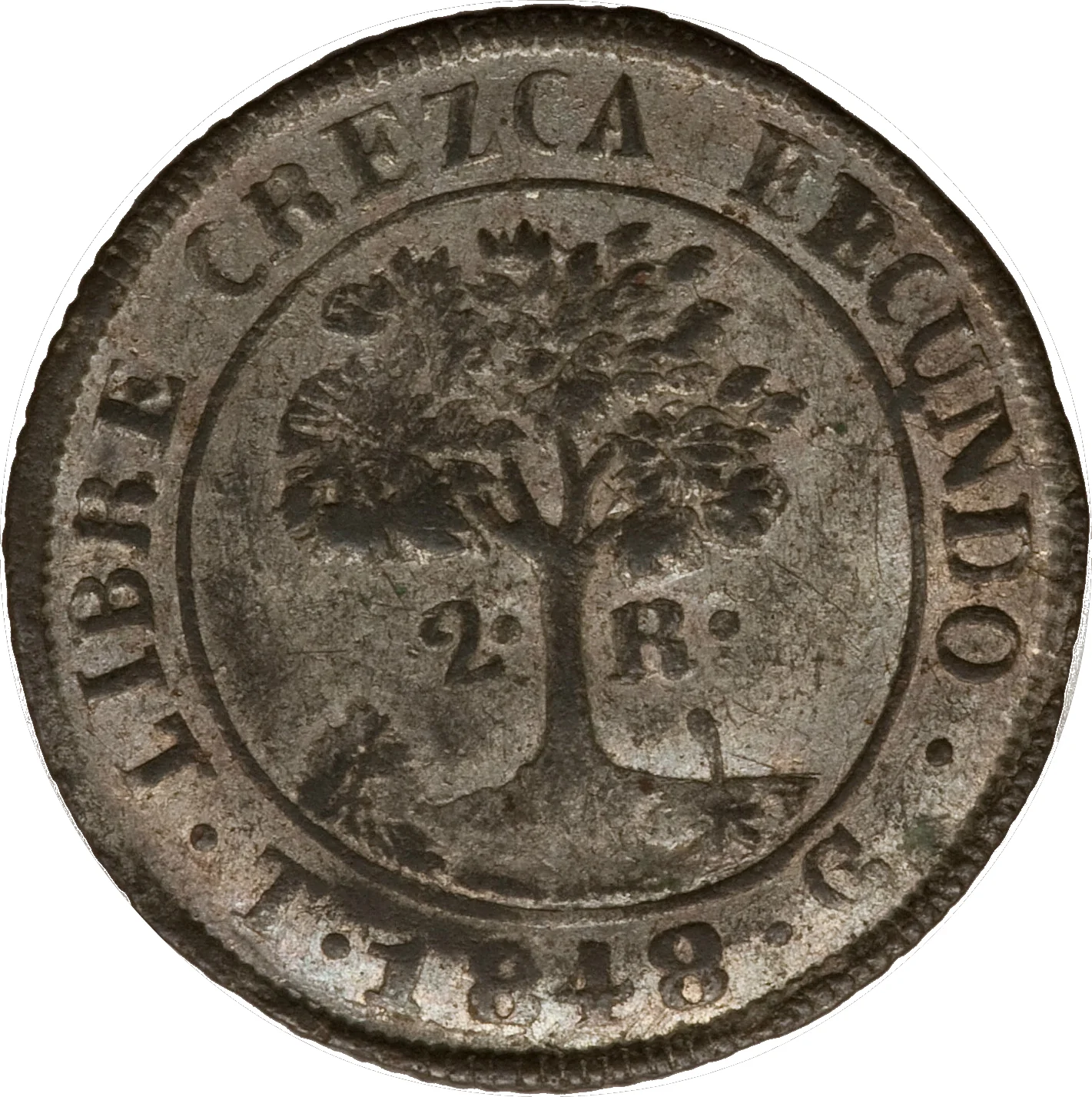
2 reales – Honduras
Add to wishlist
Honduras
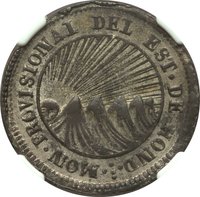
Obverse
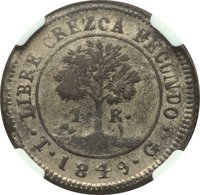
Reverse
Edge
Mints
| Name | Mark |
|---|---|
| Casa Nacional de la Moneda | T |
Mintings
| Year | Mint Mark | Mintage | Quality | Collection |
|---|---|---|---|---|
| 1848 | T | — |
Historical background
In 1848, Honduras, like its Central American neighbors, was grappling with the economic and political instability that followed the dissolution of the Federal Republic of Central America in 1838. As a nascent independent republic, it lacked a unified national currency. The monetary landscape was a chaotic mix of foreign coins circulating simultaneously, primarily Spanish colonial reales, Mexican silver pesos, and other Latin American and European coins. This system was inefficient and hindered domestic trade and state-building efforts, as the value and purity of coins varied widely.
The Honduran government, under President Juan Lindo, recognized the need for monetary sovereignty and stability. In response, a significant step was taken in 1848 with the authorization of the country's first national coinage. The decree called for the minting of silver reales and gold escudos at a provisional mint established in the city of Gracias. These coins, bearing the national coat of arms, were intended to displace foreign currency and assert Honduras's economic autonomy.
However, the practical impact of this 1848 initiative was limited. The mint's output was small and insufficient to unify the monetary system nationwide. The chronic shortage of specie (hard currency) and the government's fiscal weaknesses meant that foreign coins, particularly the Mexican peso, continued to dominate commerce for decades. Thus, while 1848 marks a symbolic beginning for Honduran currency, it was the start of a long, challenging process toward a stable and exclusive national monetary system, which would not be fully realized until much later in the 19th century.
The Honduran government, under President Juan Lindo, recognized the need for monetary sovereignty and stability. In response, a significant step was taken in 1848 with the authorization of the country's first national coinage. The decree called for the minting of silver reales and gold escudos at a provisional mint established in the city of Gracias. These coins, bearing the national coat of arms, were intended to displace foreign currency and assert Honduras's economic autonomy.
However, the practical impact of this 1848 initiative was limited. The mint's output was small and insufficient to unify the monetary system nationwide. The chronic shortage of specie (hard currency) and the government's fiscal weaknesses meant that foreign coins, particularly the Mexican peso, continued to dominate commerce for decades. Thus, while 1848 marks a symbolic beginning for Honduran currency, it was the start of a long, challenging process toward a stable and exclusive national monetary system, which would not be fully realized until much later in the 19th century.
✨ Legendary