

1 piastre – French Indochina
Add to wishlist
Context
Year: 1931
Issuer: French Indochina
Period:
(1870—1940)
Currency:
(1880—1952)
Demonetized: Yes
Total mintage: 16,000,000
Material
References
KM: #
Numista: #11288
Value
Exchange value: 1 ICFP
Bullion value: $45.99
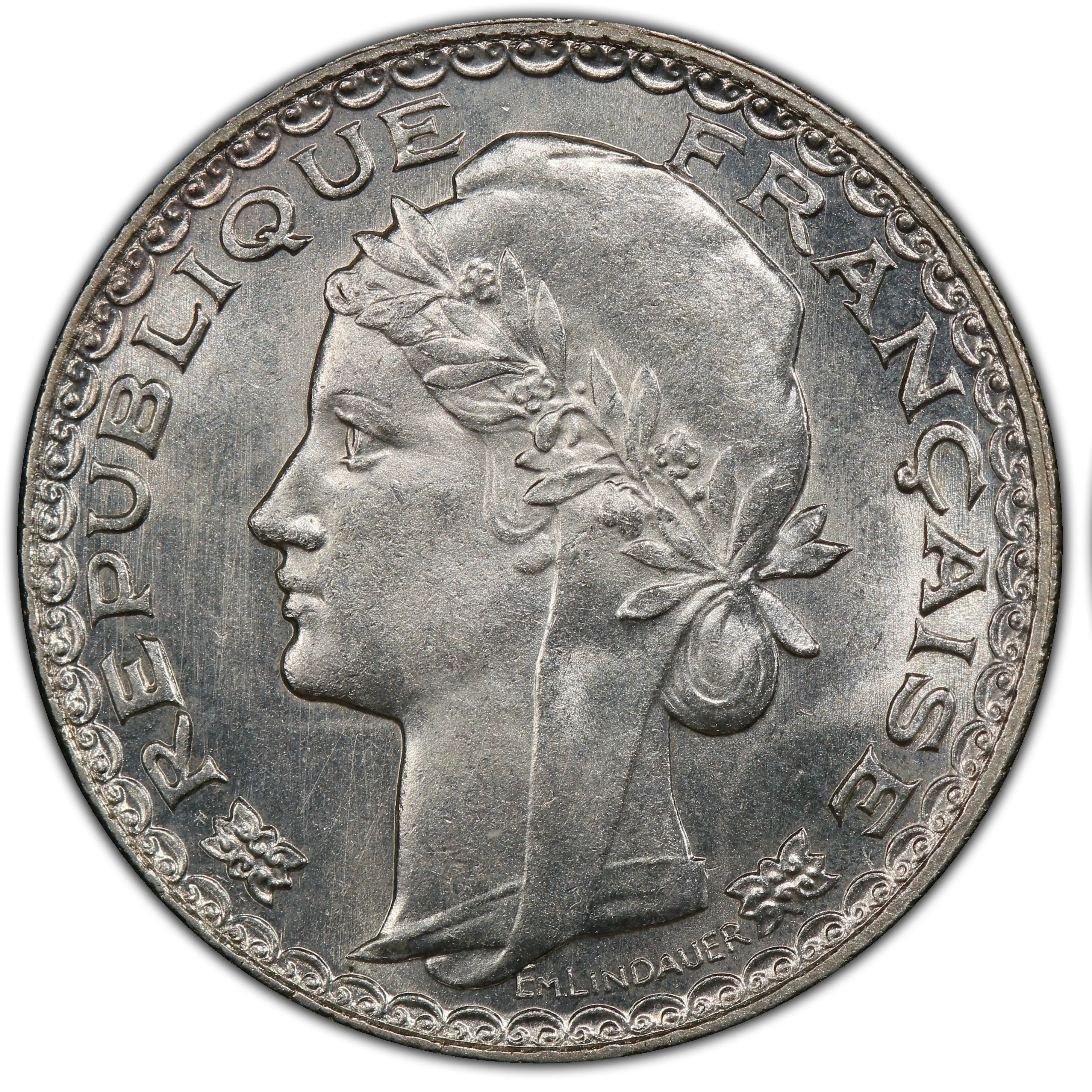
Obverse
Description:
Marianne in left-facing profile.
Inscription:
REPUBLIQUE FRANÇAISE
EM.LINDAUER
EM.LINDAUER
Translation:
FRENCH REPUBLIC
EM.LINDAUER
EM.LINDAUER
Script: Latin
Language: French
Engraver: Edmond-Émile Lindauer
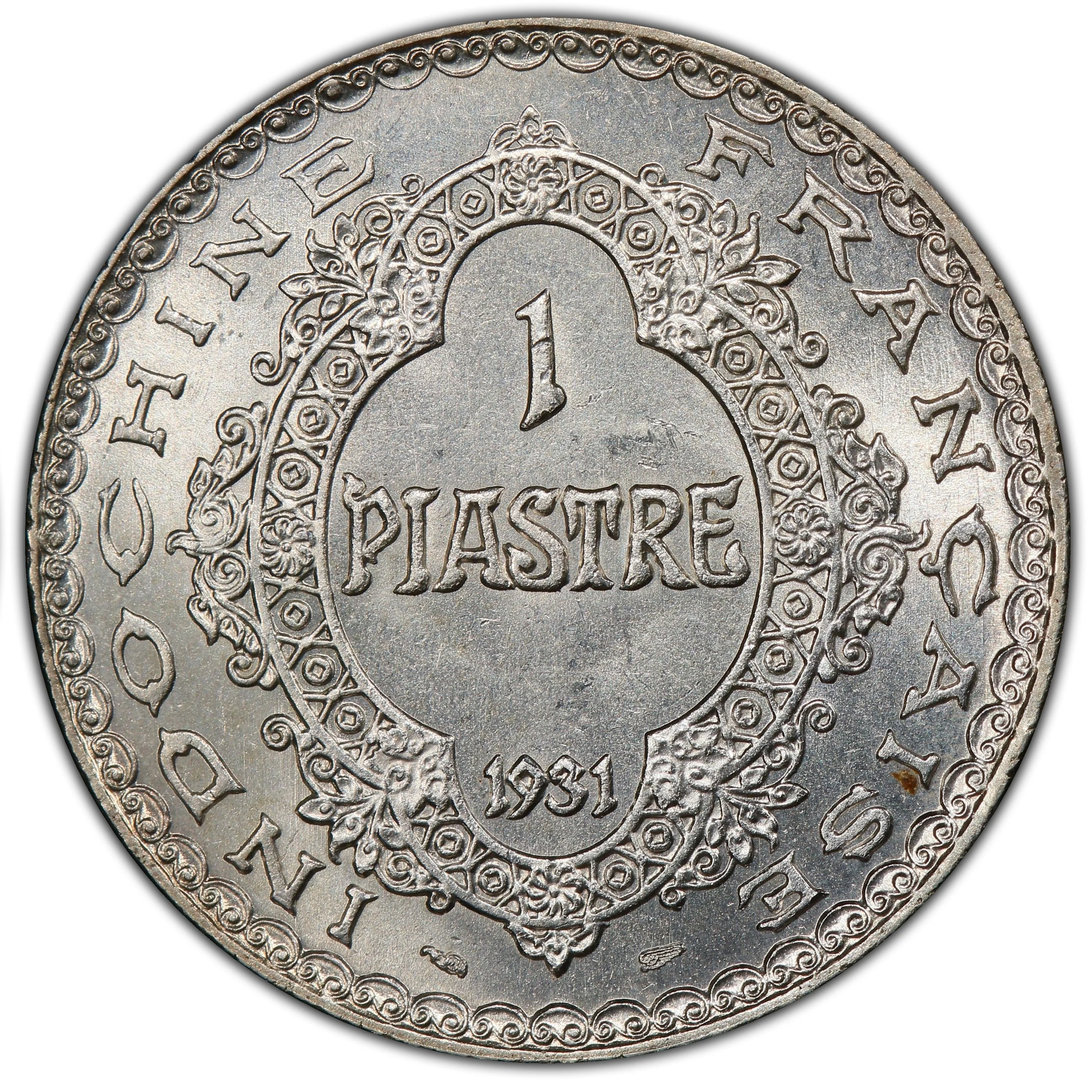
Reverse
Description:
Indigenous lettering design.
Inscription:
- INDOCHINE FRANÇAISE -
1
PIASTRE
1931
1
PIASTRE
1931
Translation:
FRENCH INDOCHINA
1
PIASTRE
1931
1
PIASTRE
1931
Script: Latin
Language: French
Engraver: Edmond-Émile Lindauer
Edge
Reeded
Mints
| Name | Mark |
|---|---|
| Monnaie de Paris | — |
Mintings
| Year | Mint Mark | Mintage | Quality | Collection |
|---|---|---|---|---|
| 1931 | — | 16,000,000 |
Historical background
In 1931, French Indochina was in the grip of a severe economic crisis, deeply tied to the global Great Depression. The colony's economy, heavily dependent on the export of rice, rubber, coal, and other raw materials, was devastated as international commodity prices collapsed. This led to a sharp decline in government revenue, widespread business failures, and acute rural distress, particularly among peasant farmers burdened by debt. The crisis exposed the fundamental vulnerability of a colonial economy structured to serve the metropole and global markets.
The currency situation was defined by the Piastre de Commerce, a silver-based currency issued by the Bank of Indochina (Banque de l'Indochine). Unlike France itself, which was on the gold standard, Indochina operated on a silver standard, which had historically provided stability. However, in the early 1930s, the falling global price of silver caused the piastre's external value to depreciate against the French gold franc. This depreciation was viewed with alarm by colonial authorities and French businesses, who saw it as increasing the cost of importing goods from France and reducing the franc value of profits repatriated to the metropole.
Consequently, 1931 became a pivotal year of monetary intervention. Bowing to pressure from powerful colonial interests, the French government passed a law in March 1931 officially pegging the Indochinese piastre to the French franc at a fixed, overvalued rate of 1 piastre = 10 francs. This move aimed to protect French capital and tie the colony more tightly to the metropolitan economy. However, it further strangled Indochina's export sector by making its goods more expensive on the world market, deepening the local economic depression while securing financial advantages for the colonial elite.
The currency situation was defined by the Piastre de Commerce, a silver-based currency issued by the Bank of Indochina (Banque de l'Indochine). Unlike France itself, which was on the gold standard, Indochina operated on a silver standard, which had historically provided stability. However, in the early 1930s, the falling global price of silver caused the piastre's external value to depreciate against the French gold franc. This depreciation was viewed with alarm by colonial authorities and French businesses, who saw it as increasing the cost of importing goods from France and reducing the franc value of profits repatriated to the metropole.
Consequently, 1931 became a pivotal year of monetary intervention. Bowing to pressure from powerful colonial interests, the French government passed a law in March 1931 officially pegging the Indochinese piastre to the French franc at a fixed, overvalued rate of 1 piastre = 10 francs. This move aimed to protect French capital and tie the colony more tightly to the metropolitan economy. However, it further strangled Indochina's export sector by making its goods more expensive on the world market, deepening the local economic depression while securing financial advantages for the colonial elite.
🌟 Uncommon