

1 paisa – Bombay Presidency
Add to wishlist
India
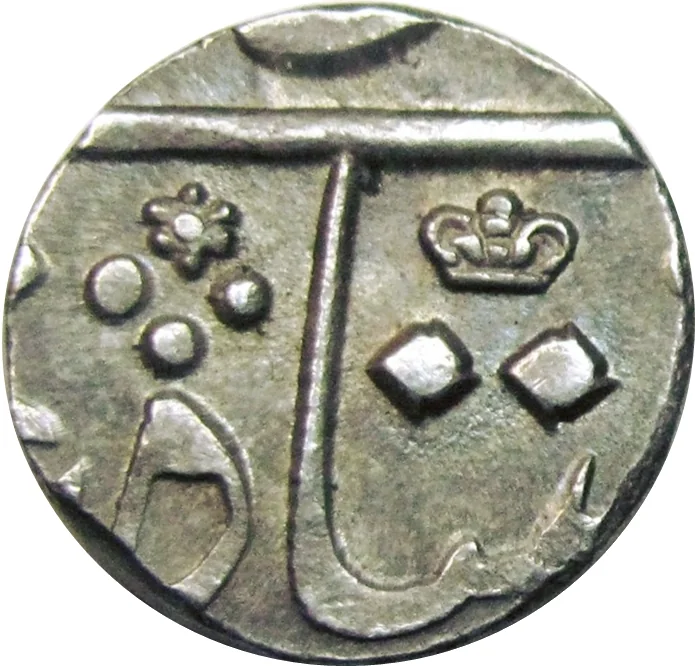
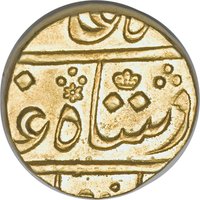
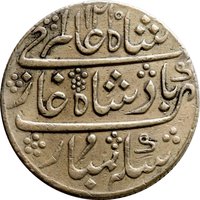
Obverse
Description:
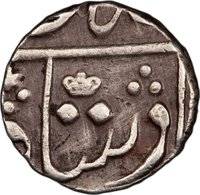
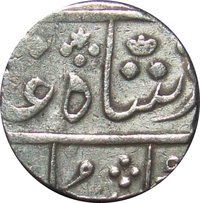
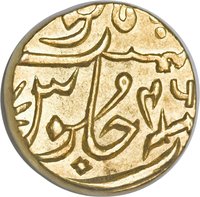
Sikka Mubarak: Shah Alam, the victorious emperor.
Inscription:
شاه عالم
بادشاه غازي
سكه مبارك
بادشاه غازي
سكه مبارك
Translation:
King Alam
Victorious Emperor
Auspicious Coin
Victorious Emperor
Auspicious Coin
Language: Persian
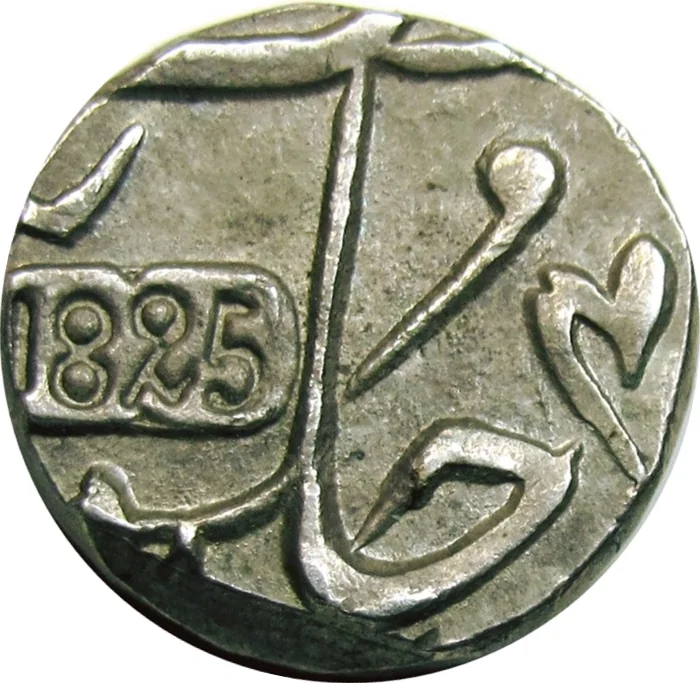
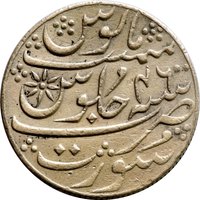
Reverse
Edge
Plain
Mintings
| Year | Mint Mark | Mintage | Quality | Collection |
|---|---|---|---|---|
| — | — | — |
Historical background
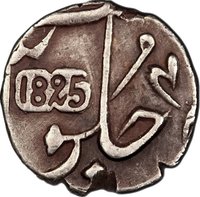
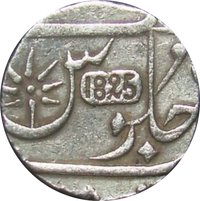
In 1825, the Bombay Presidency's currency situation was a complex and often chaotic system, characterised by a multiplicity of coins and a severe shortage of official British currency. The dominant silver currency was the Bombay Rupee, but its value and purity were not uniform with rupees minted in Bengal or Madras, leading to complicated exchange calculations. Furthermore, a vast array of older, worn, and foreign coins—including Mughal rupees, Portuguese xeraphims, and coins from various Indian states—remained in active circulation, creating a bewildering landscape for commerce.
This monetary disorder was exacerbated by a critical shortage of silver specie (coin). The Presidency's chronic trade deficit with China, settled in silver, drained bullion from Bombay, making it difficult to mint sufficient new rupees. To fill the void, the East India Company authorities heavily relied on the issue of copper coins (pice) and, more problematically, paper money. The Government Promissory Notes, while necessary, suffered from limited public trust and were not universally accepted, especially outside major commercial circles.
Consequently, the Presidency's economy operated on an unstable and inefficient footing. Merchants and bankers (shroffs) played an indispensable role as money-changers, verifying and assigning fluctuating values to the myriad coins, but at a cost to wider economic confidence. This unsatisfactory environment was pushing the Company's administration towards reform. The period around 1825 was a precursor to more decisive action, culminating in the Currency Act of 1835, which finally established a single, uniform "Company's Rupee" for all of British India, aiming to resolve the very problems that plagued Bombay's monetary system in the 1820s.
This monetary disorder was exacerbated by a critical shortage of silver specie (coin). The Presidency's chronic trade deficit with China, settled in silver, drained bullion from Bombay, making it difficult to mint sufficient new rupees. To fill the void, the East India Company authorities heavily relied on the issue of copper coins (pice) and, more problematically, paper money. The Government Promissory Notes, while necessary, suffered from limited public trust and were not universally accepted, especially outside major commercial circles.
Consequently, the Presidency's economy operated on an unstable and inefficient footing. Merchants and bankers (shroffs) played an indispensable role as money-changers, verifying and assigning fluctuating values to the myriad coins, but at a cost to wider economic confidence. This unsatisfactory environment was pushing the Company's administration towards reform. The period around 1825 was a precursor to more decisive action, culminating in the Currency Act of 1835, which finally established a single, uniform "Company's Rupee" for all of British India, aiming to resolve the very problems that plagued Bombay's monetary system in the 1820s.
✨ Legendary