

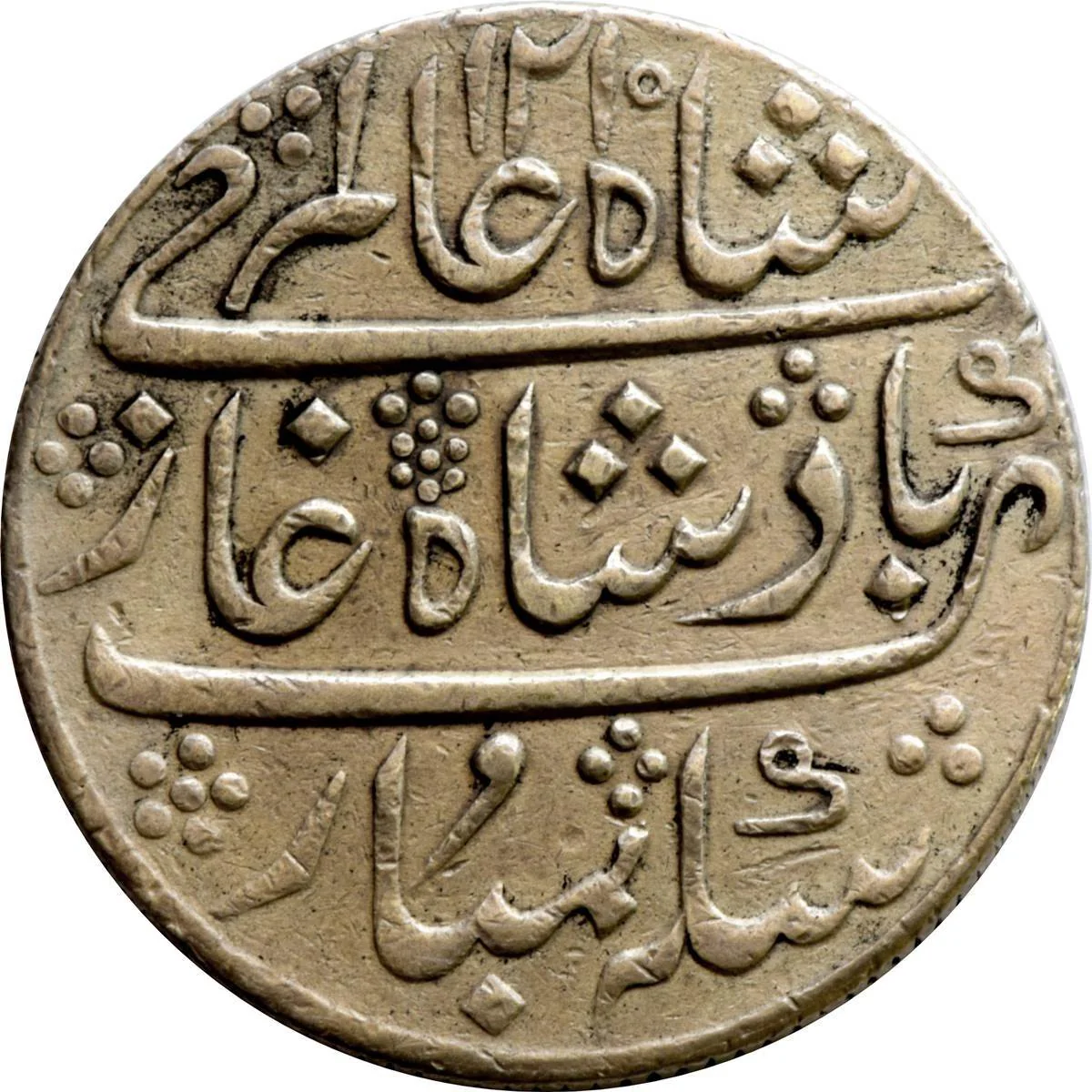
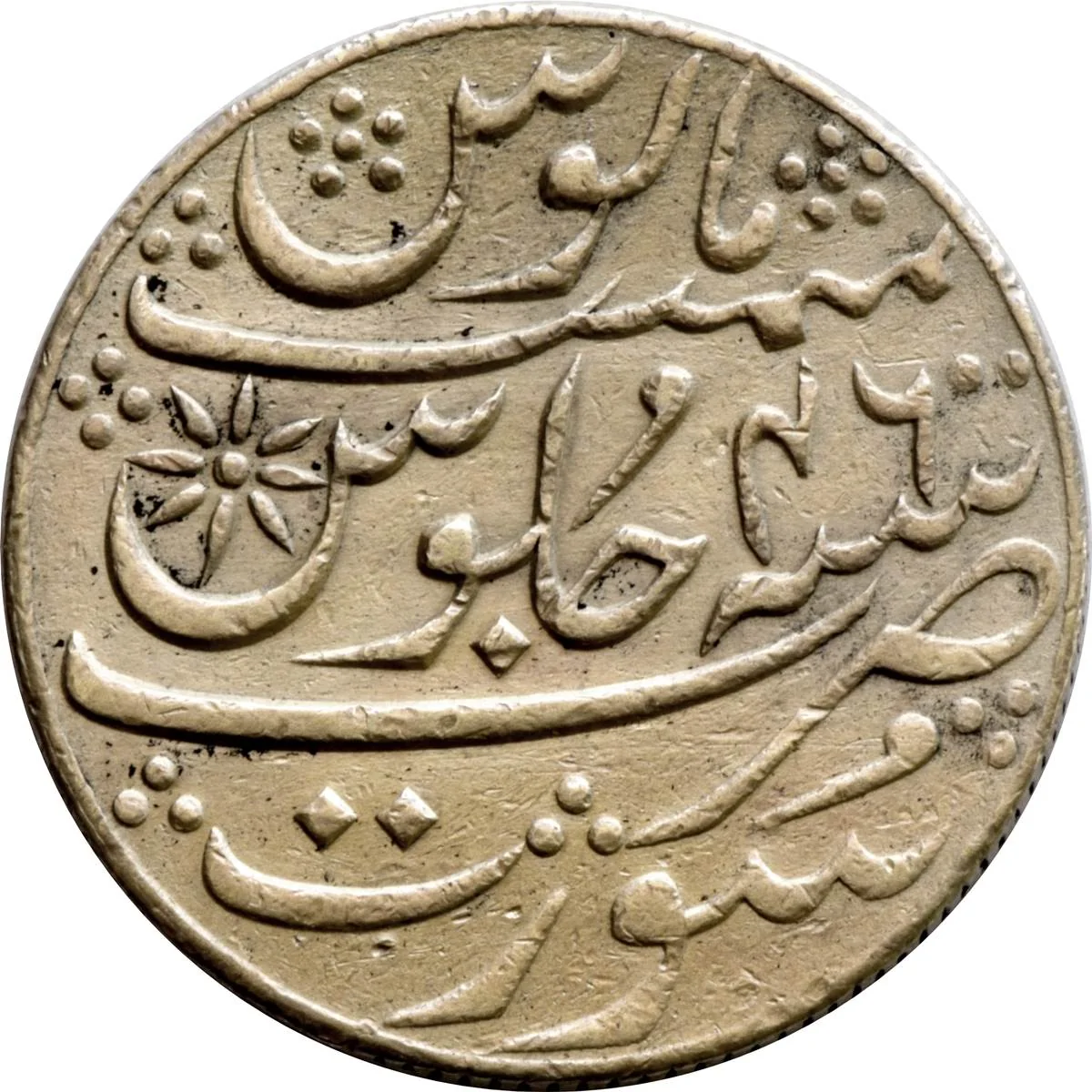
1 rupee – Bombay Presidency
Add to wishlist
India
Context
Year: 1823
Islamic (Hijri) Year:: 1215
Country: India
Issuer: Bombay Presidency
Currency:
(1672—1835)
Demonetized: Yes
Material
References
KM: #
Numista: #69891
Value
Bullion value: $29.67
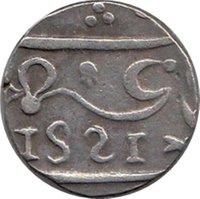
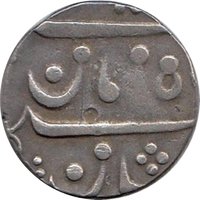
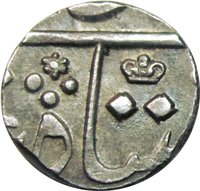
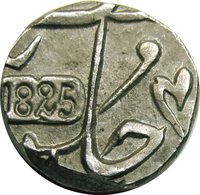
Obverse
Reverse
Edge
Reeded
Mintings
| Year | Mint Mark | Mintage | Quality | Collection |
|---|---|---|---|---|
| 1823 | — | — | ||
| 1823 | — | — | Proof |
Historical background
In 1823, the Bombay Presidency was grappling with a complex and chaotic currency system, a legacy of its diverse commercial history. The official currency was the silver rupee, primarily the "Bombay Rupee" (also called the Sicca rupee), but its circulation was swamped by a multitude of other coins. These included various Mughal-era rupees, coins of former Maratha rulers, and a plethora of foreign silver dollars—especially Spanish Carolus and Mexican dollars—which were essential for the Presidency's vast China and Arabian Sea trade. This proliferation created a marketplace where exchange rates fluctuated daily, and transactions required expert shroffs (money-changers) to assess the weight and purity of each coin, hindering efficient commerce and governance.
The British East India Company administration sought to impose order, but its efforts were piecemeal. The Bombay Mint operated under a 1793 regulation, but its output was insufficient to unify the currency. A significant problem was the discrepancy between the Bombay rupee and the more prevalent Bengal Sicca rupee used in the Company's accounts, leading to confusing conversion rates. Furthermore, the widespread use of copper coins in daily bazaar transactions for the poorer classes existed in a separate, unstable relationship with silver, often leading to scarcity and hardship. The system was essentially bimetallic in theory but fragmented and inefficient in practice.
This monetary confusion directly impacted the Presidency's economic health, creating uncertainty for both revenue collection and commercial contracts. It underscored the Company's struggle to fully integrate its territories under a single fiscal framework. The situation in 1823 was therefore one of transition and frustration, setting the stage for more comprehensive reforms that would later culminate in the uniform coinage acts of the 1830s, which ultimately established the Company rupee as the sole legal standard across British India.
The British East India Company administration sought to impose order, but its efforts were piecemeal. The Bombay Mint operated under a 1793 regulation, but its output was insufficient to unify the currency. A significant problem was the discrepancy between the Bombay rupee and the more prevalent Bengal Sicca rupee used in the Company's accounts, leading to confusing conversion rates. Furthermore, the widespread use of copper coins in daily bazaar transactions for the poorer classes existed in a separate, unstable relationship with silver, often leading to scarcity and hardship. The system was essentially bimetallic in theory but fragmented and inefficient in practice.
This monetary confusion directly impacted the Presidency's economic health, creating uncertainty for both revenue collection and commercial contracts. It underscored the Company's struggle to fully integrate its territories under a single fiscal framework. The situation in 1823 was therefore one of transition and frustration, setting the stage for more comprehensive reforms that would later culminate in the uniform coinage acts of the 1830s, which ultimately established the Company rupee as the sole legal standard across British India.
💎 Extremely Rare