

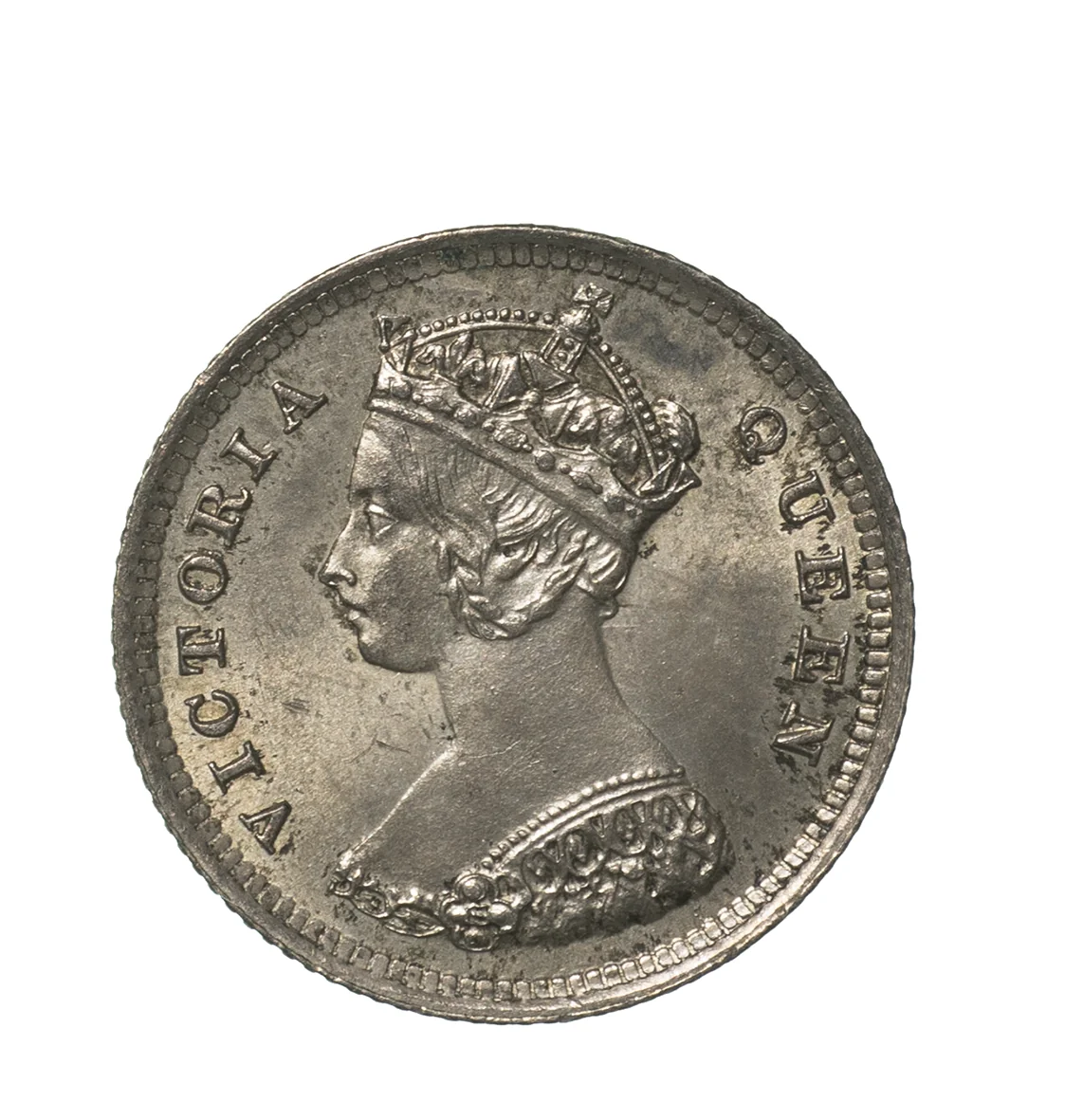
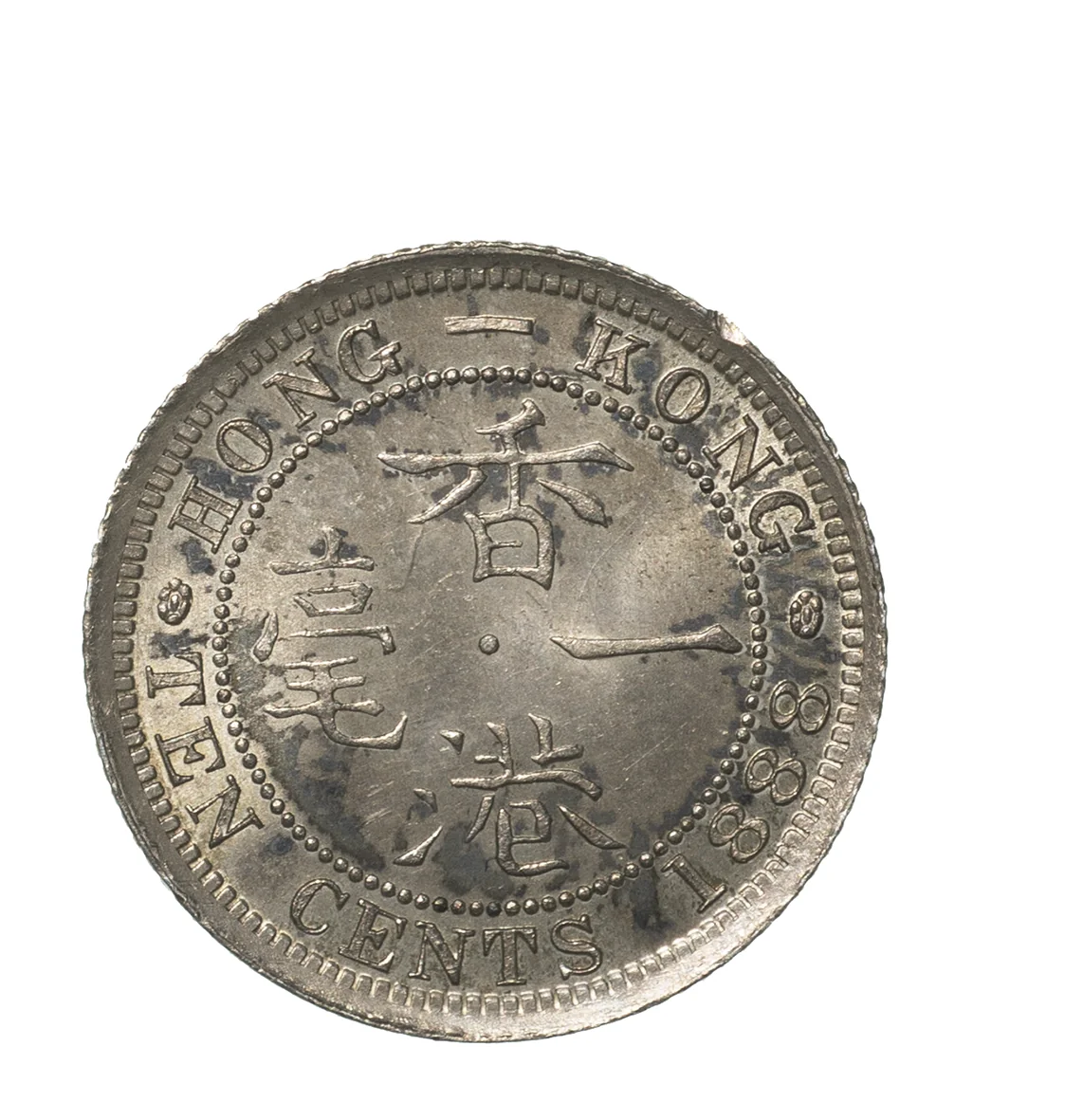


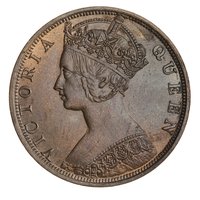
Obverse
Description:
Crowned left-facing bust.
Inscription:
VICTORIA QUEEN
Script: Latin
Engraver: William Wyon
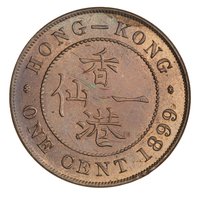
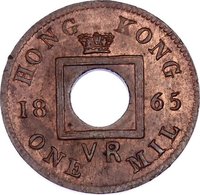
Reverse
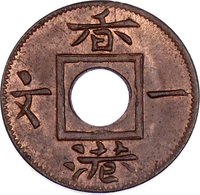
Edge
Reeded
Mints
| Name | Mark |
|---|---|
| Royal Mint (Tower Hill) | — |
| Heaton and Sons / The Mint Birmingham | H |
Mintings
| Year | Mint Mark | Mintage | Quality | Collection |
|---|---|---|---|---|
| 1863 | — | 100,000 | ||
| 1863 | — | — | Proof | |
| 1864 | — | 200,000 | ||
| 1864 | — | — | Proof | |
| 1865 | — | 550,000 | ||
| 1865 | — | — | Proof | |
| 1866 | — | — | Proof | |
| 1866 | — | 300,000 | ||
| 1867 | — | — | ||
| 1867 | — | — | Proof | |
| 1868 | — | — | ||
| 1869 | — | — | Proof | |
| 1872 | H | — | Proof | |
| 1872 | H | 88,000 | ||
| 1873 | — | 197,000 | ||
| 1873 | H | 128,000 | ||
| 1873 | — | — | Proof | |
| 1874 | H | 200,000 | ||
| 1875 | H | — | Proof | |
| 1875 | H | 200,000 | ||
| 1876 | H | 480,000 | ||
| 1877 | H | 240,000 | ||
| 1879 | — | 288,000 | ||
| 1880 | H | 300,000 | ||
| 1881 | — | 300,000 | ||
| 1881 | — | — | Proof | |
| 1882 | H | — | Proof | |
| 1882 | H | 500,000 | ||
| 1883 | — | 550,000 | ||
| 1883 | — | — | Proof | |
| 1883 | H | 250,000 | ||
| 1883 | H | — | Proof | |
| 1884 | — | 960,000 | ||
| 1884 | — | — | Proof | |
| 1885 | — | 3,120,000 | ||
| 1885 | — | — | Proof | |
| 1886 | — | 2,100,000 | ||
| 1886 | — | — | Proof | |
| 1887 | — | — | Proof | |
| 1887 | — | 2,441,000 | ||
| 1888 | — | 7,027,000 | ||
| 1888 | — | — | Proof | |
| 1889 | — | 4,027,000 | ||
| 1889 | — | — | Proof | |
| 1889 | H | 2,100,000 | ||
| 1890 | — | 1,500,000 | ||
| 1890 | — | — | Proof | |
| 1890 | H | 5,400,000 | ||
| 1891 | — | 6,150,000 | ||
| 1891 | H | 1,750,000 | ||
| 1892 | — | 5,500,000 | ||
| 1892 | — | — | Proof | |
| 1892 | H | 1,100,000 | ||
| 1892 | H | — | Proof | |
| 1893 | — | 11,250,000 | ||
| 1894 | — | 16,750,000 | ||
| 1894 | — | — | Proof | |
| 1895 | — | 19,000,000 | ||
| 1896 | — | 16,500,000 | ||
| 1897 | H | 10,500,000 | ||
| 1897 | — | 23,500,000 | ||
| 1897 | H | — | Proof | |
| 1898 | — | 29,500,000 | ||
| 1899 | — | 33,842,000 | ||
| 1900 | — | 7,758,000 | ||
| 1900 | H | 41,500,000 | ||
| 1901 | — | 25,000,000 |
Historical background
In 1863, Hong Kong's currency situation was a complex and transitional one, reflecting its position as a burgeoning British colonial port amidst a regional economy dominated by silver. The official currency was the British silver dollar and its subsidiary coinage, but these struggled to gain full acceptance. The heart of the problem was a severe shortage of small change for daily transactions, which hampered commerce and caused public frustration. While the larger British trade dollars were used for external trade, the local economy still heavily relied on a jumble of Spanish, Mexican, and other silver dollars, as well as Chinese copper cash coins for smaller purchases.
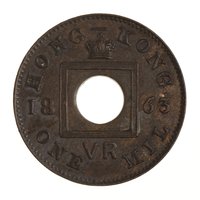
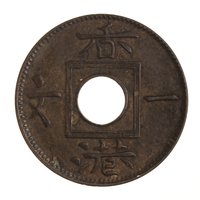
To address the chronic small change shortage, the Hong Kong government took a significant step in 1863 by authorising the minting of its first local coinage at the new Hong Kong Mint. This inaugural issue included silver half-dollars, as well as one-cent and one-mill coins in bronze. However, the venture faced immediate difficulties. The new coins, particularly the one-cent piece, were mistakenly minted with a denomination written only in English ("ONE CENT"), which was poorly received by a population accustomed to Chinese characters on currency. This design error undermined public trust and hindered their circulation.
Consequently, the currency landscape remained fragmented. The unpopular 1863 coins failed to solve the small change crisis, and the mint itself would prove to be a short-lived and costly failure, closing in 1868. For ordinary residents, daily life continued to depend on an inconvenient mixture of cut fractions of silver dollars, a vast array of copper cash strings from China, and the various foreign silver coins still in circulation. Thus, 1863 marked a well-intentioned but flawed attempt to impose monetary order, leaving Hong Kong still awaiting a stable and unified currency system.
To address the chronic small change shortage, the Hong Kong government took a significant step in 1863 by authorising the minting of its first local coinage at the new Hong Kong Mint. This inaugural issue included silver half-dollars, as well as one-cent and one-mill coins in bronze. However, the venture faced immediate difficulties. The new coins, particularly the one-cent piece, were mistakenly minted with a denomination written only in English ("ONE CENT"), which was poorly received by a population accustomed to Chinese characters on currency. This design error undermined public trust and hindered their circulation.
Consequently, the currency landscape remained fragmented. The unpopular 1863 coins failed to solve the small change crisis, and the mint itself would prove to be a short-lived and costly failure, closing in 1868. For ordinary residents, daily life continued to depend on an inconvenient mixture of cut fractions of silver dollars, a vast array of copper cash strings from China, and the various foreign silver coins still in circulation. Thus, 1863 marked a well-intentioned but flawed attempt to impose monetary order, leaving Hong Kong still awaiting a stable and unified currency system.
🌱 Very Common