

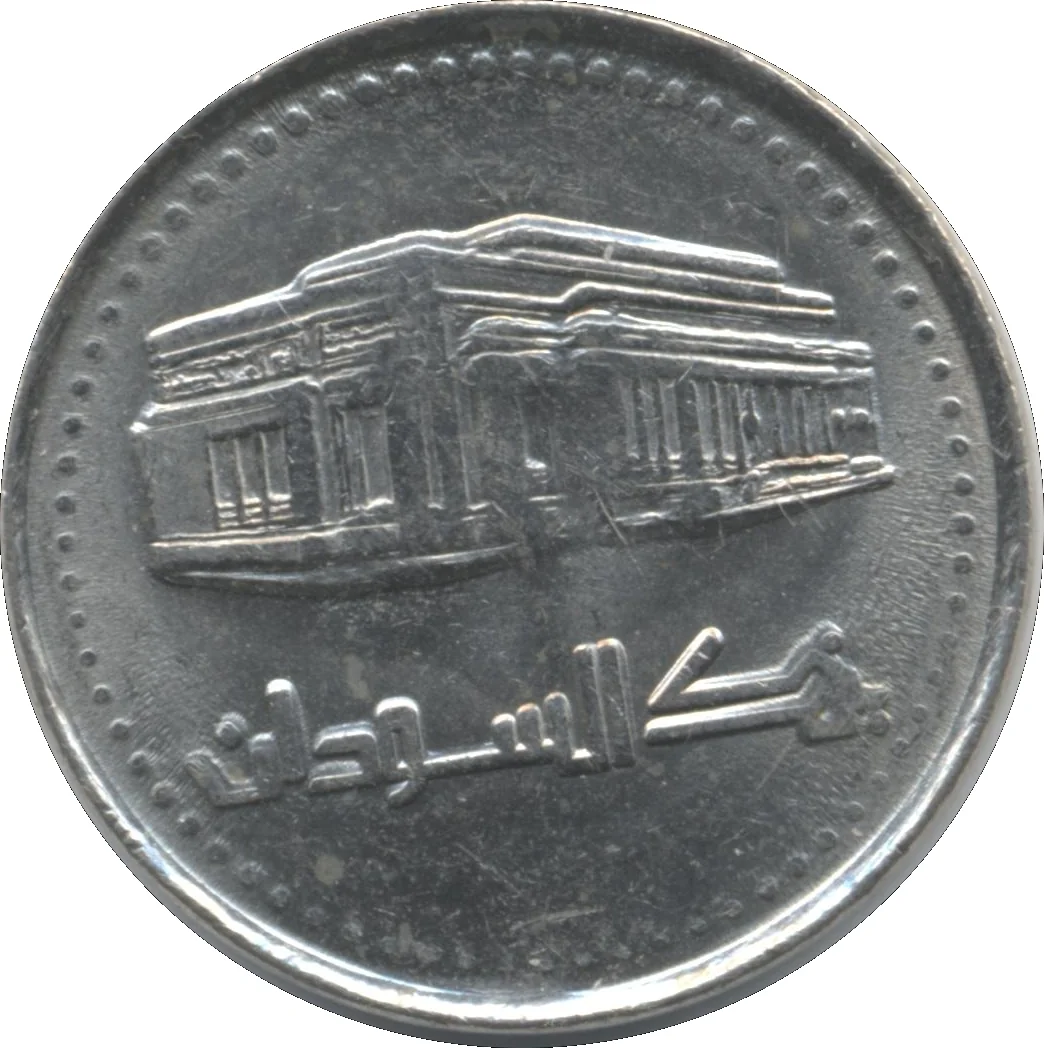
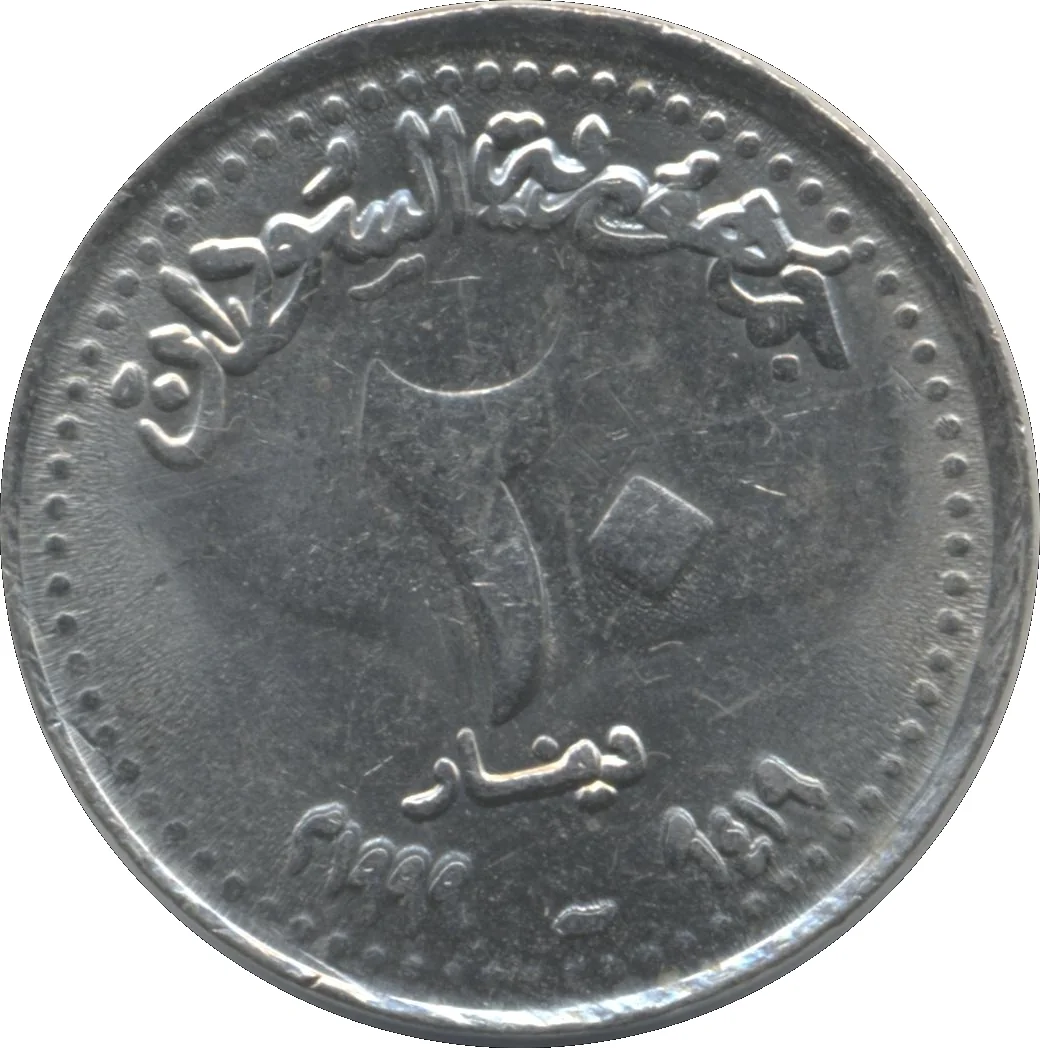
20 dinars – Sudan
Add to wishlist
Sudan
Context
Year: 1999
Islamic (Hijri) Year:: 1419
Issuer: Sudan
Period:
(1956—1969)
Currency:
(1992—2007)
Demonetization: 1 July 2007
Material
Diameter: 22 mm
Weight: 4.6 g
Thickness: 1.55 mm
Shape: Round
Composition: Copper-nickel
Technique: Milled
Alignment: Medal alignment
flip
References
KM: #
Numista: #7272
Value
Exchange value: 20 SDD
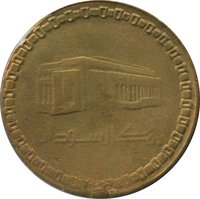
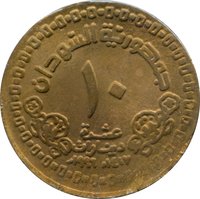
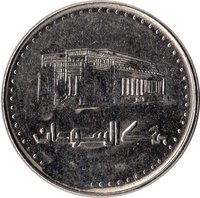
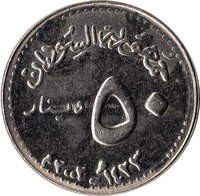
Reverse
Edge
Plain
Mintings
| Year | Mint Mark | Mintage | Quality | Collection |
|---|---|---|---|---|
| 1999 | — | — |
Historical background
In 1999, Sudan's currency situation was defined by a severe and protracted economic crisis, characterized by hyperinflation and a stark dual-exchange-rate system. The official exchange rate was fixed by the government at a highly overvalued level, around 2.5 Sudanese Dinars to the US dollar. However, this rate was inaccessible to most citizens and businesses, who were forced to rely on a thriving black market where the dinar traded at a fraction of its official value, often exceeding 150 dinars to the dollar. This enormous gap created massive distortions, fueling corruption, crippling formal imports, and causing widespread shortages of essential goods.
The roots of this crisis lay in decades of civil war, international isolation, and unsustainable economic policies. Massive military spending to fight the Sudan People's Liberation Army (SPLA) in the south drained state resources, while the country faced comprehensive US sanctions and a lack of access to international financial institutions. The government financed its deficits by printing money, which directly fueled rampant inflation, eroding savings and wages. The economy was further strained by a reliance on volatile oil revenues, which were just beginning to flow in 1999 but were not yet sufficient to stabilize the macroeconomic environment.
Consequently, the Sudanese populace and businesses operated in a cash-based, fragmented economy. Salaries paid in the official currency lost value almost daily, and a complex system of rationing and privilege governed access to foreign exchange for imports. This unsustainable monetary environment set the stage for a major policy shift in the early 2000s, following the signing of the Comprehensive Peace Agreement in 2005, which included provisions for currency reform and ultimately led to the introduction of a new currency, the Sudanese Pound, in 2007.
The roots of this crisis lay in decades of civil war, international isolation, and unsustainable economic policies. Massive military spending to fight the Sudan People's Liberation Army (SPLA) in the south drained state resources, while the country faced comprehensive US sanctions and a lack of access to international financial institutions. The government financed its deficits by printing money, which directly fueled rampant inflation, eroding savings and wages. The economy was further strained by a reliance on volatile oil revenues, which were just beginning to flow in 1999 but were not yet sufficient to stabilize the macroeconomic environment.
Consequently, the Sudanese populace and businesses operated in a cash-based, fragmented economy. Salaries paid in the official currency lost value almost daily, and a complex system of rationing and privilege governed access to foreign exchange for imports. This unsustainable monetary environment set the stage for a major policy shift in the early 2000s, following the signing of the Comprehensive Peace Agreement in 2005, which included provisions for currency reform and ultimately led to the introduction of a new currency, the Sudanese Pound, in 2007.
🌱 Common