

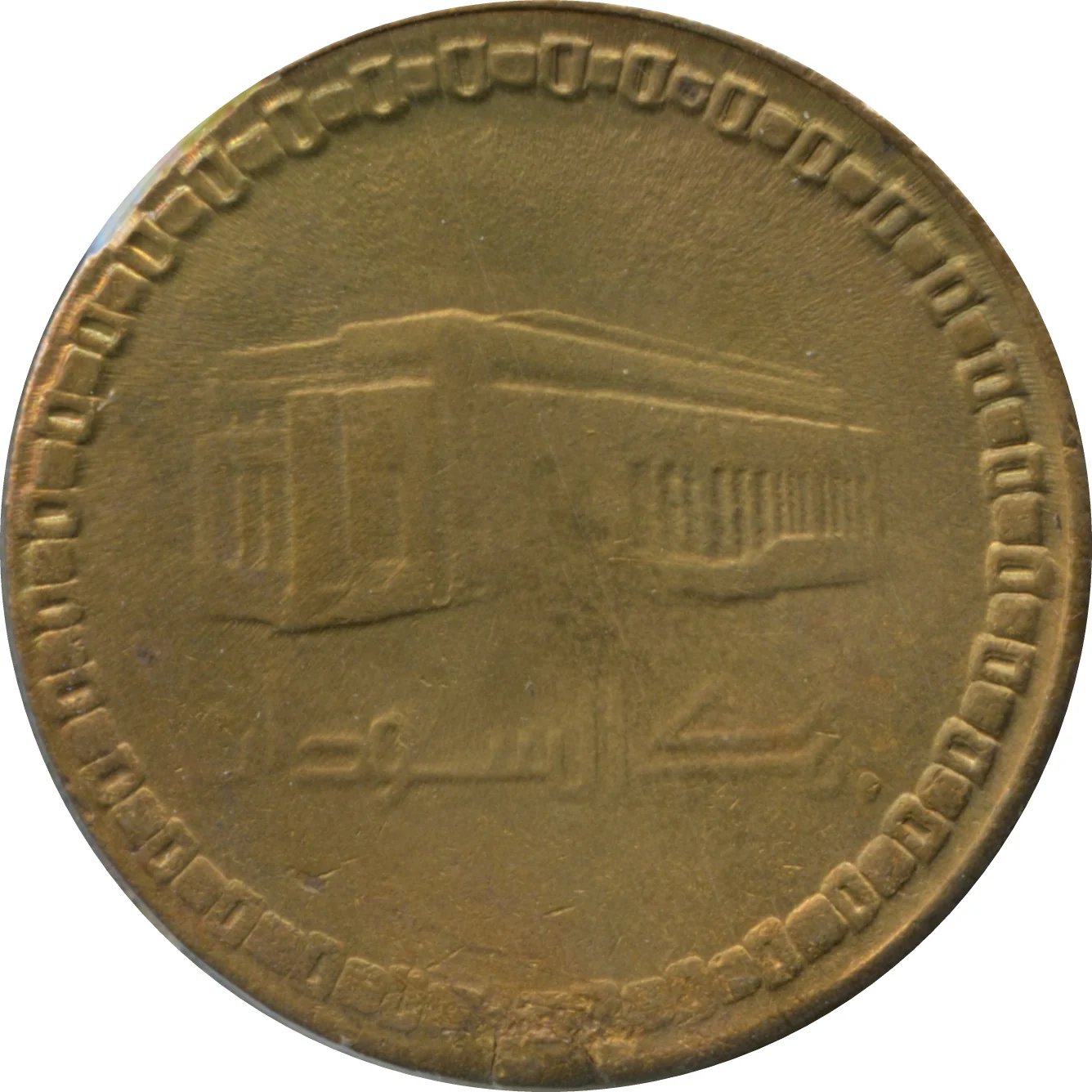
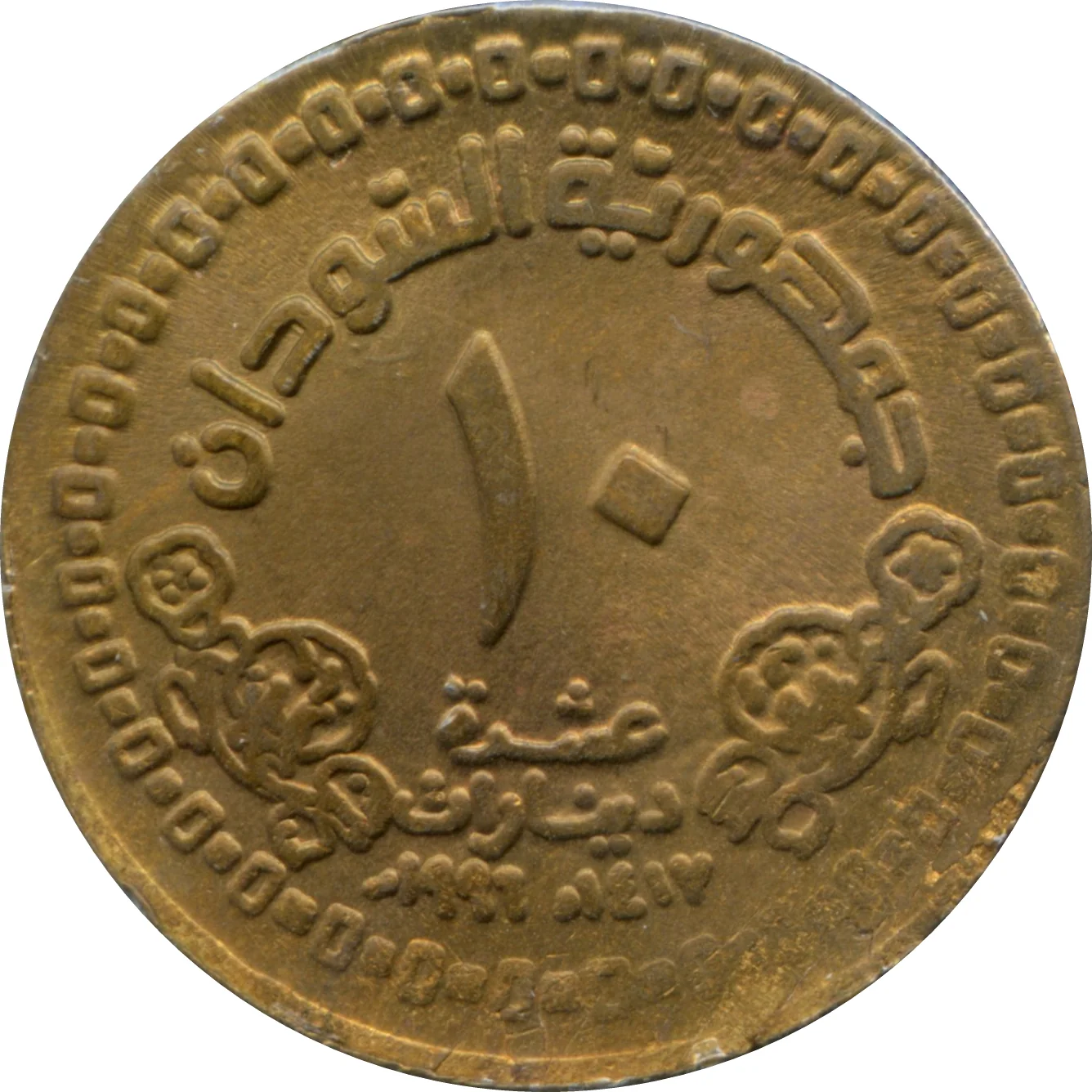
10 dinars – Sudan
Add to wishlist
Sudan
Context
Year: 1996
Islamic (Hijri) Year:: 1417
Issuer: Sudan
Period:
(1956—1969)
Currency:
(1992—2007)
Demonetization: 1 July 2007
Material
References
KM: #
Numista: #2125
Value
Exchange value: 10 SDD
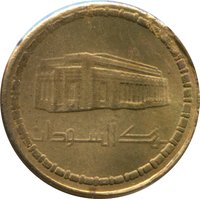
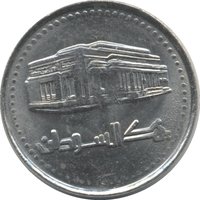
Obverse
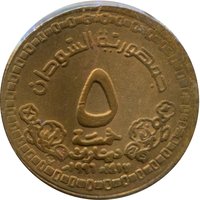
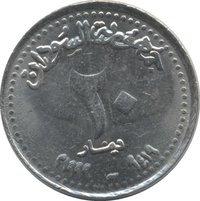
Reverse
Edge
Plain
Mintings
| Year | Mint Mark | Mintage | Quality | Collection |
|---|---|---|---|---|
| 1996 | — | — |
Historical background
In 1996, Sudan's currency situation was characterized by severe instability and a stark dual-system, a direct consequence of years of civil war, international isolation, and profound economic mismanagement. The country operated with two distinct currencies: the Sudanese pound (LSd) in the government-controlled north and center, and the Sudanese dinar in the south, introduced by the rebel Sudan People's Liberation Army (SPLA). This monetary division mirrored the political and geographical fragmentation of the country, crippling national economic integration and creating immense complexity for trade and daily life.
The value of the official Sudanese pound was in freefall due to rampant inflation, estimated to be well over 100% annually. This hyperinflation was fueled by the government's reliance on printing money to finance a massive budget deficit, primarily driven by immense military spending for the ongoing civil war. International economic sanctions, imposed by the United Nations in 1996 following allegations of Sudan's involvement in an assassination attempt in Ethiopia, severely restricted foreign investment and access to hard currency, exacerbating the crisis. The black market for foreign exchange thrived as the official exchange rate set by the Bank of Sudan became increasingly divorced from reality.
Consequently, a vast disparity existed between the official and parallel market rates for the US dollar, with the black market rate often being multiple times higher. This environment led to widespread dollarization within the economy, where businesses and individuals sought to hold stable foreign currencies to preserve value. The currency chaos of 1996 was a critical symptom of Sudan's collapsed formal economy, pushing much of the population into poverty and reinforcing the country's status as a pariah state in the global financial system.
The value of the official Sudanese pound was in freefall due to rampant inflation, estimated to be well over 100% annually. This hyperinflation was fueled by the government's reliance on printing money to finance a massive budget deficit, primarily driven by immense military spending for the ongoing civil war. International economic sanctions, imposed by the United Nations in 1996 following allegations of Sudan's involvement in an assassination attempt in Ethiopia, severely restricted foreign investment and access to hard currency, exacerbating the crisis. The black market for foreign exchange thrived as the official exchange rate set by the Bank of Sudan became increasingly divorced from reality.
Consequently, a vast disparity existed between the official and parallel market rates for the US dollar, with the black market rate often being multiple times higher. This environment led to widespread dollarization within the economy, where businesses and individuals sought to hold stable foreign currencies to preserve value. The currency chaos of 1996 was a critical symptom of Sudan's collapsed formal economy, pushing much of the population into poverty and reinforcing the country's status as a pariah state in the global financial system.
🌱 Fairly Common