

1 dollar – United States
Add to wishlist
Non-circulating coins
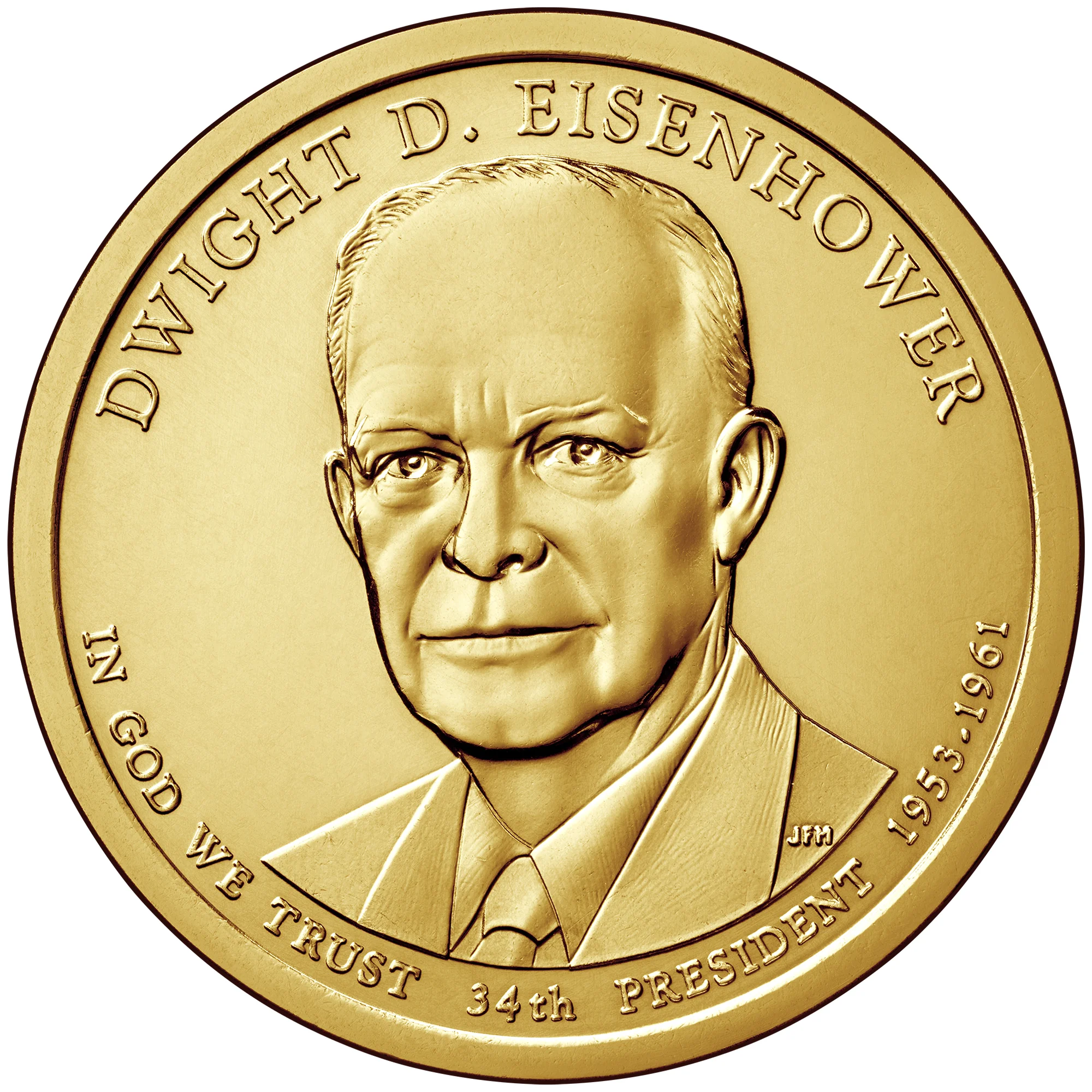
Commemoration: Dwight D. Eisenhower - 34th President - 1953-1961
Series: Presidential $1 Coin Program
United States
Context
Year: 2015
Issuer: United States
Period:
(since 1776)
Currency:
(since 1785)
Total mintage: 9,835,204
Material
References
KM: #
Numista: #72630
Value
Exchange value: 1 USD = $1.00
Inflation-adjusted value: 1.36 USD
Obverse
Description:
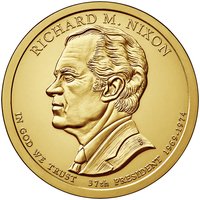
A portrait of Dwight D. Eisenhower, facing slightly left.
Inscription:
DWIGHT D. EISENHOWER
JFM
IN GOD WE TRUST 34th PRESIDENT 1953–1961
JFM
IN GOD WE TRUST 34th PRESIDENT 1953–1961
Script: Latin
Engraver: Joseph Menna
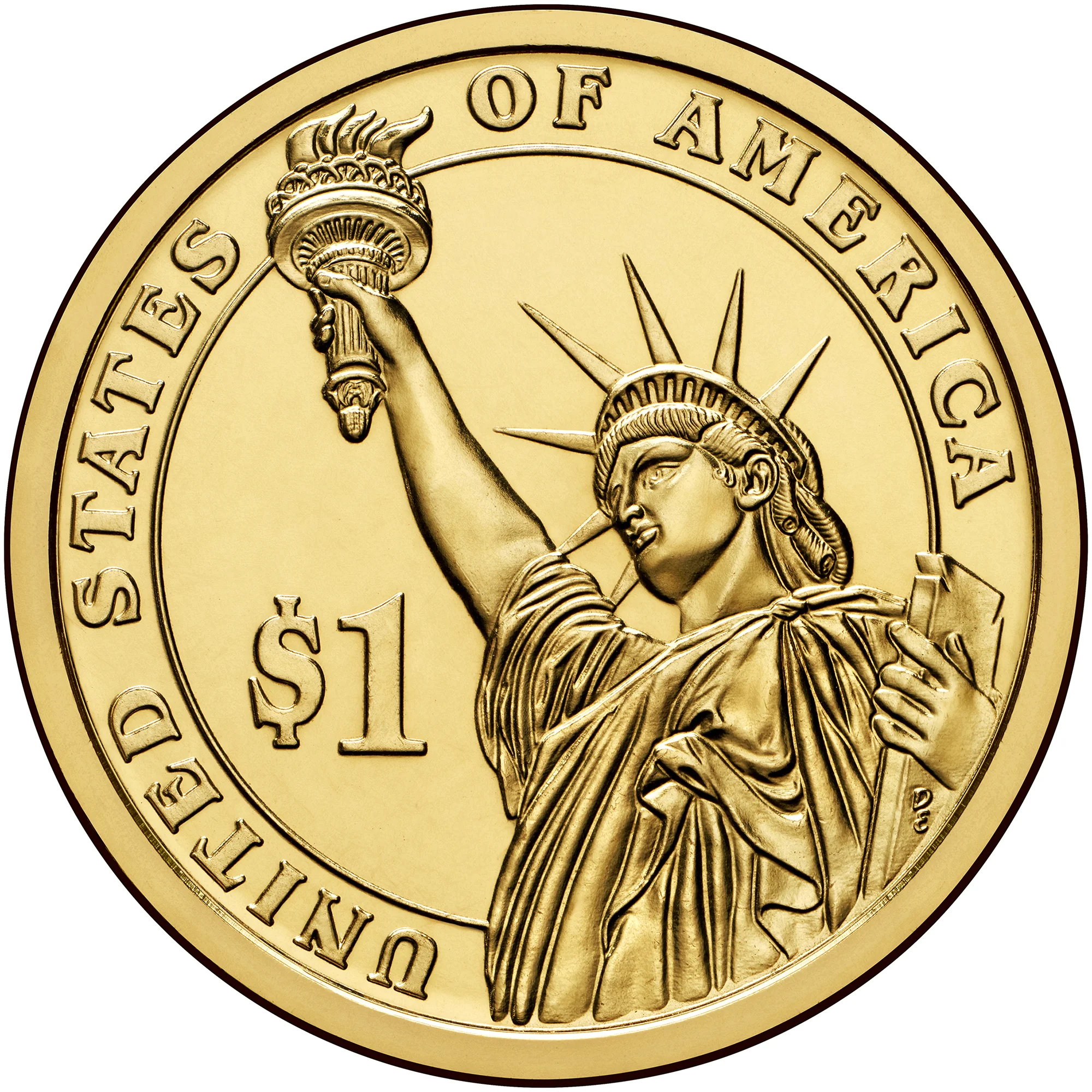
Reverse
Description:
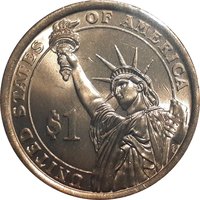
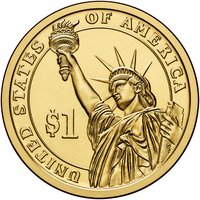
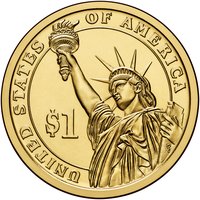
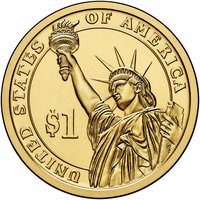
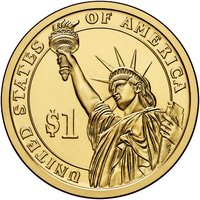
Statue of Liberty with denomination left and country name encircling.
Inscription:
UNITED STATES OF AMERICA
$1
DE
$1
DE
Script: Latin
Engraver: Don Everhart
Edge
Engraved with the date and motto.
Legend:
E PLURIBUS UNUM 2015
Translation:
Out of many, one 2015
Language: Latin
Categories
| Person> Politician |
Mints
| Name | Mark |
|---|---|
| United States Mint of Denver | D |
| United States Mint of Philadelphia | P |
| United States Mint of San Francisco | S |
Mintings
Historical background
In 2015, the United States found itself in a period of monetary policy normalization following the unprecedented stimulus of the Great Recession. The Federal Reserve, under Chair Janet Yellen, was cautiously navigating the path toward raising interest rates for the first time since 2006. After years of near-zero rates and multiple rounds of quantitative easing, the U.S. economy showed sustained, if modest, growth and a steadily falling unemployment rate. This led to intense market speculation and global scrutiny over the timing of the Fed's first rate hike, a move with significant implications for the U.S. Dollar, global capital flows, and emerging markets.
The year was characterized by a remarkably strong U.S. Dollar, which appreciated significantly against a basket of major currencies. This "King Dollar" phenomenon was driven by the divergent policy paths between the Fed and other major central banks, like the European Central Bank and the Bank of Japan, which were still actively expanding monetary stimulus. The strong dollar had mixed effects: it boosted the purchasing power of American consumers and travelers abroad but created headwinds for large U.S. multinational corporations by making their exports more expensive and reducing the value of their overseas earnings.
Ultimately, after months of telegraphing its intentions and monitoring economic data, the Federal Reserve raised the federal funds rate by a quarter of a percentage point in December 2015. This historic move marked the end of the zero-interest-rate era and signaled confidence in the U.S. economic recovery. However, the accompanying statement emphasized a gradual and data-dependent path for future hikes, aiming to ensure the recovery was not disrupted while slowly withdrawing the extraordinary support that had been in place for seven years.
The year was characterized by a remarkably strong U.S. Dollar, which appreciated significantly against a basket of major currencies. This "King Dollar" phenomenon was driven by the divergent policy paths between the Fed and other major central banks, like the European Central Bank and the Bank of Japan, which were still actively expanding monetary stimulus. The strong dollar had mixed effects: it boosted the purchasing power of American consumers and travelers abroad but created headwinds for large U.S. multinational corporations by making their exports more expensive and reducing the value of their overseas earnings.
Ultimately, after months of telegraphing its intentions and monitoring economic data, the Federal Reserve raised the federal funds rate by a quarter of a percentage point in December 2015. This historic move marked the end of the zero-interest-rate era and signaled confidence in the U.S. economic recovery. However, the accompanying statement emphasized a gradual and data-dependent path for future hikes, aiming to ensure the recovery was not disrupted while slowly withdrawing the extraordinary support that had been in place for seven years.
Series: Presidential $1 Coin Program

🌱 Common