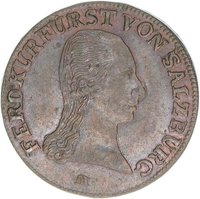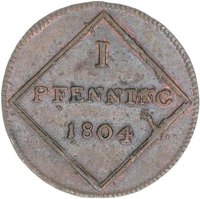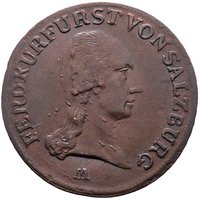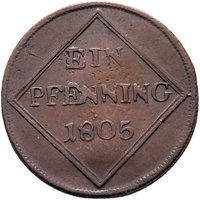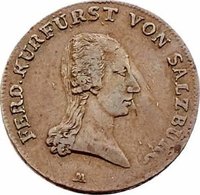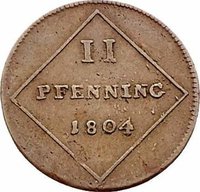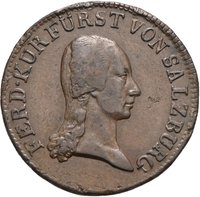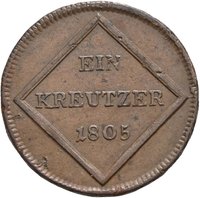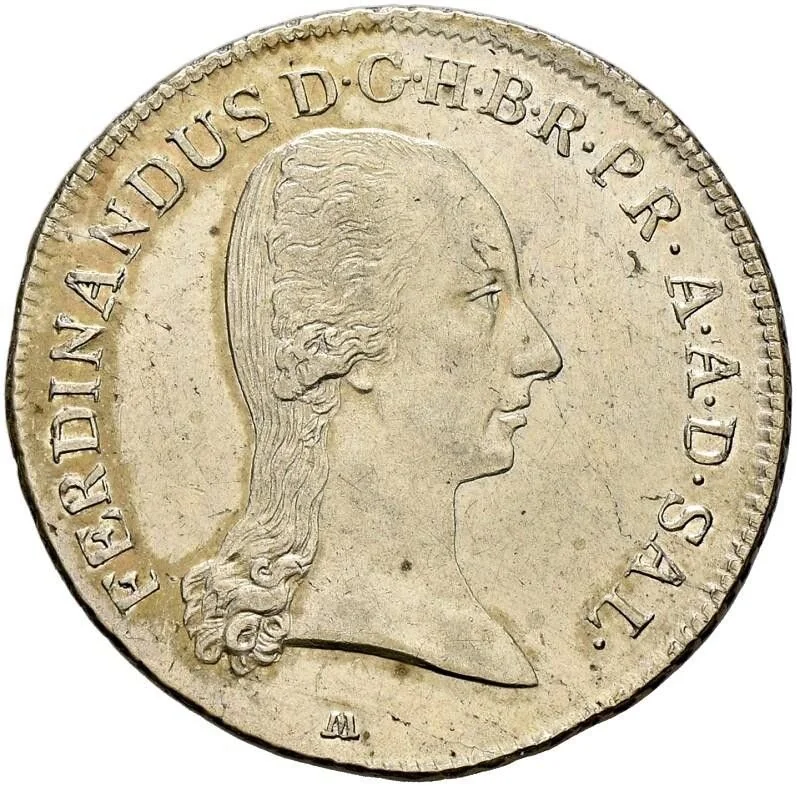
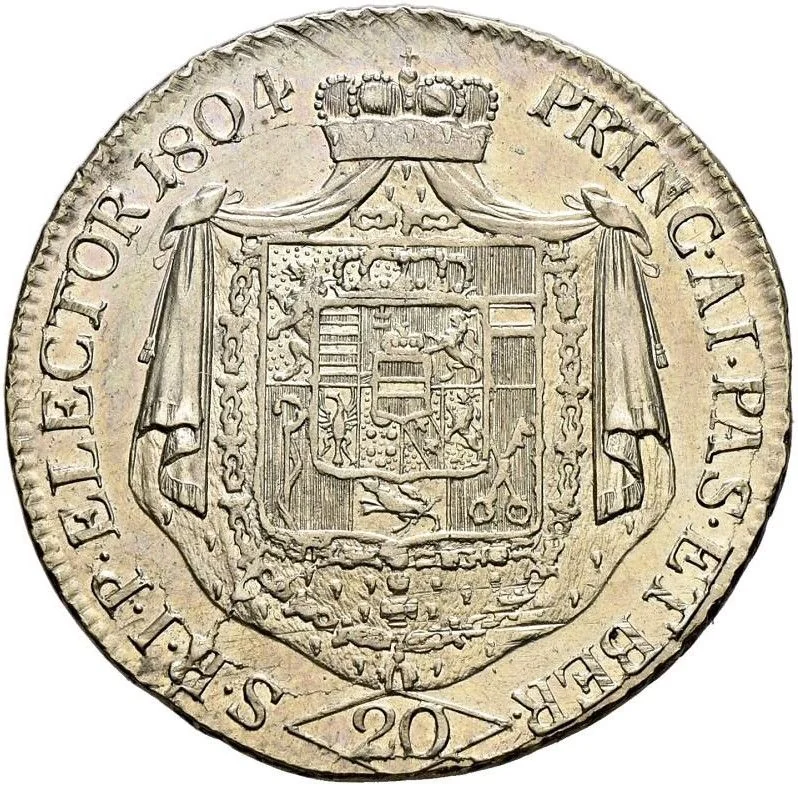
In 1804, the currency situation in the Prince-Archbishopric of Salzburg was one of transition and uncertainty, deeply influenced by the broader political upheavals of the Napoleonic era. For centuries, Salzburg operated within the complex monetary systems of the Holy Roman Empire, primarily using the
Reichsthaler and
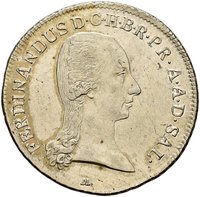
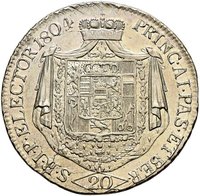
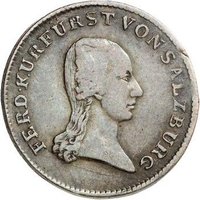
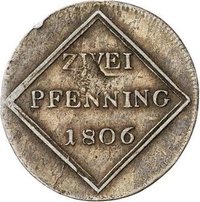
Gulden (florin) as standard units of account. Coins were minted locally at the Salzburg mint, bearing the image of the ruling Prince-Archbishop, Hieronymus von Colloredo, but their value was tied to the wider imperial monetary conventions. However, the region's economy also saw circulation of coins from neighboring states like Bavaria and Austria, creating a diverse but sometimes confusing monetary environment.
The political context is crucial: by 1804, Salzburg's independence was under severe threat. Following the 1803
Reichsdeputationshauptschluss (the Imperial Recess), which secularized many ecclesiastical territories, Salzburg was transformed into a short-lived Electorate. In 1805, it would be annexed by the Austrian Empire, and then ceded to Bavaria in 1809. This impending political dissolution directly impacted its currency. The stability and authority behind the local coinage were eroding, as merchants and citizens grew anxious about the future value of Salzburg's money amidst the shifting sovereignties.
Consequently, the monetary situation in 1804 was characterized by practical reliance on stable foreign specie, particularly Austrian currency, in significant transactions. While Salzburg coins remained in daily use, they were increasingly assessed against the more powerful and politically secure Thalers and Guldens of the Austrian Empire, which was seen as the likely future ruler. Thus, the Bishopric's currency system was in a state of de facto transition, with local minting becoming more a symbolic relic of fading sovereignty than a cornerstone of an independent economic policy, awaiting an inevitable integration into a larger, foreign monetary regime.