

½ rupee – Bhutan
Add to wishlist
Bhutan
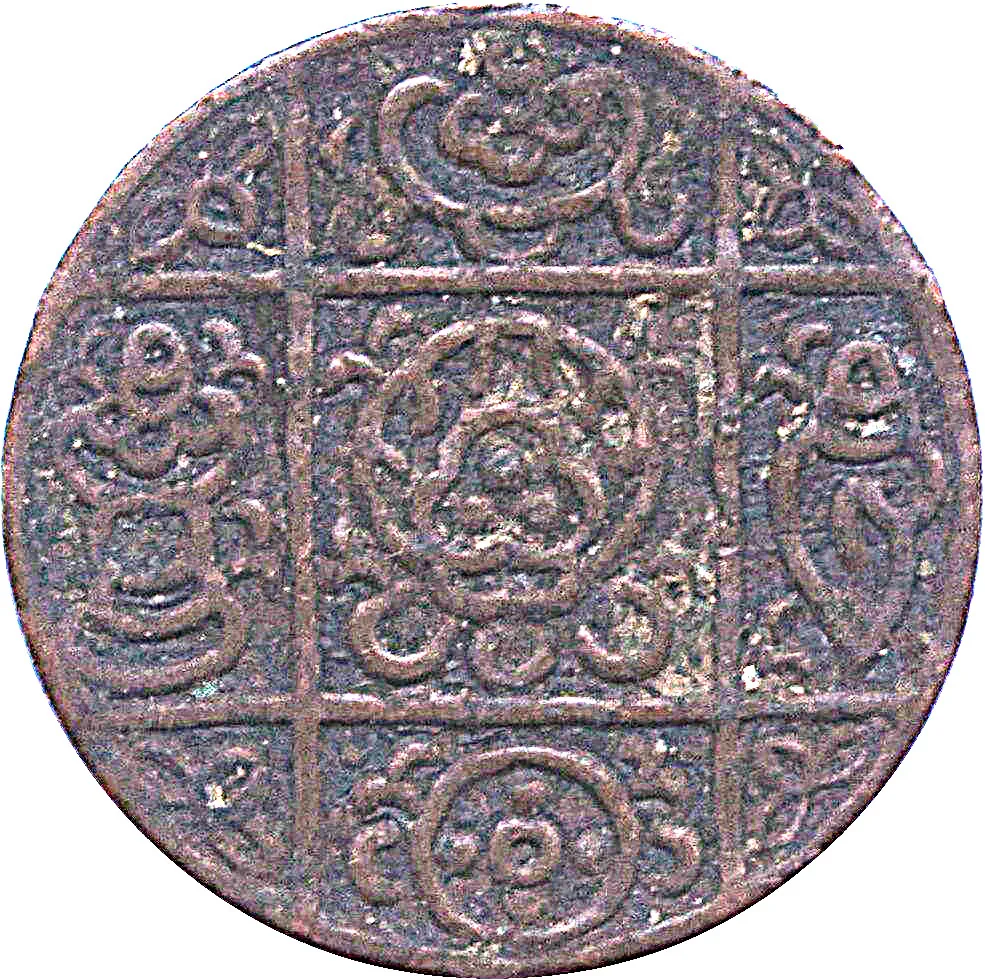
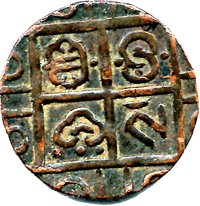
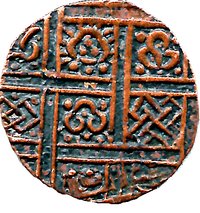
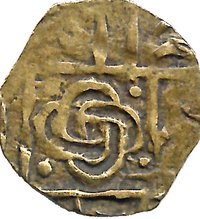
Obverse
Description:
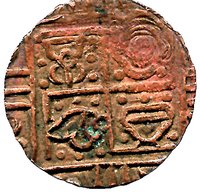
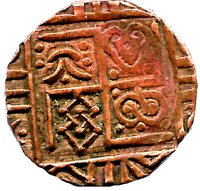
Sacred Buddhist emblems.
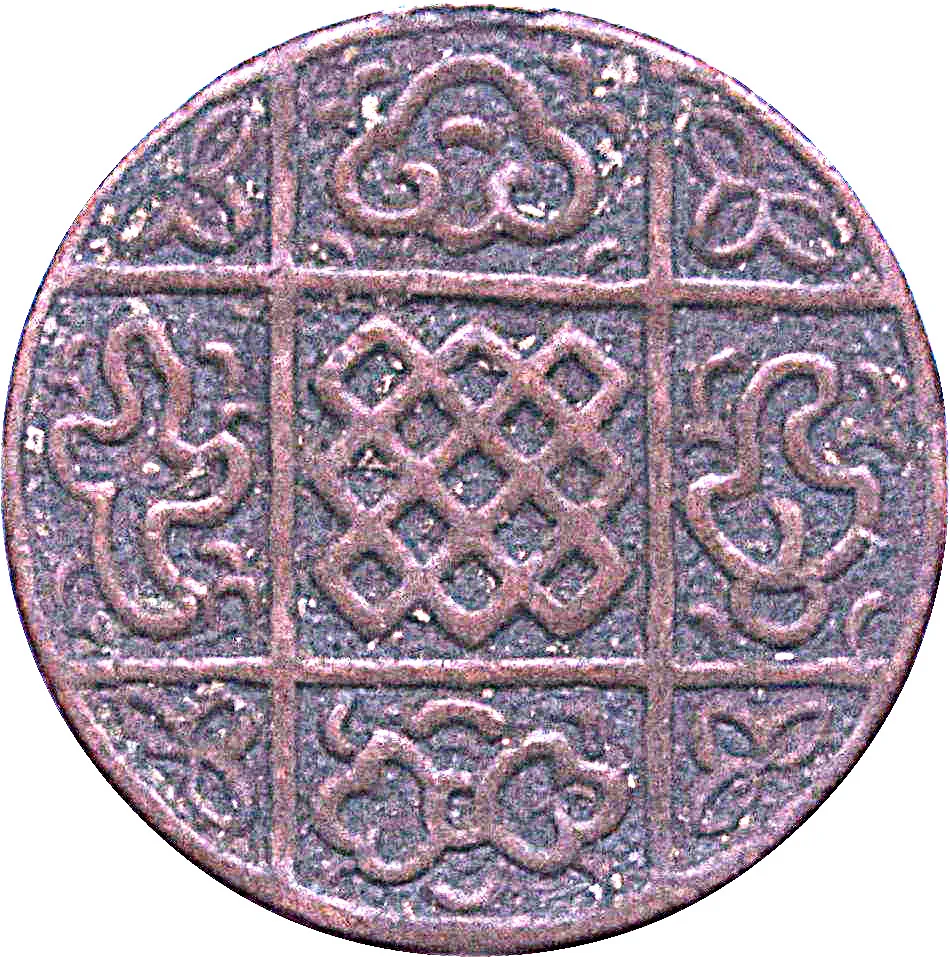
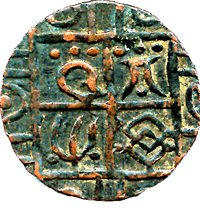
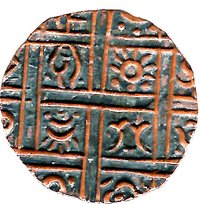
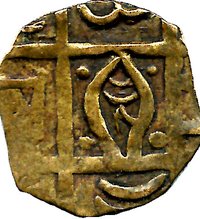
Reverse
Description:
Sacred Buddhist emblems.
Edge
Plain
Mintings
| Year | Mint Mark | Mintage | Quality | Collection |
|---|---|---|---|---|
| — | — | — |
Historical background
In 1910, Bhutan's currency situation reflected its historical position as a tributary state caught between two empires. The country operated on a dual monetary system, with both Indian and Tibetan currencies circulating widely. The most common medium of exchange was the silver trangka, a coin minted in Tibet, which was used for significant transactions and trade with the north. For dealings with British India to the south, the Indian rupee—a silver coin of the British Raj—was also prevalent, particularly in border regions and for government-related expenses.
This monetary duality was a direct consequence of Bhutan's trade and political relationships. Economic life was heavily reliant on barter, especially in rural areas, but cash transactions using these foreign coins facilitated important trade in wool, spices, and textiles. Crucially, Bhutan did not mint its own national currency; the concept of a distinct "Bhutanese rupee" or ngultrum was still decades away. The value of the coins in circulation was intrinsically tied to their silver content and their acceptance in regional markets.
The political context of 1910 was pivotal, as it was the year the Treaty of Punakha was signed, making Bhutan a British protectorate in exchange for increased autonomy in internal affairs. While this treaty did not immediately alter the currency in pockets, it firmly anchored Bhutan within the British Indian economic sphere. This set the stage for the eventual phasing out of the Tibetan trangka and the future adoption of the Indian rupee as the official standard, a process that would solidify over the coming decades as British influence grew and trade routes shifted southward.
This monetary duality was a direct consequence of Bhutan's trade and political relationships. Economic life was heavily reliant on barter, especially in rural areas, but cash transactions using these foreign coins facilitated important trade in wool, spices, and textiles. Crucially, Bhutan did not mint its own national currency; the concept of a distinct "Bhutanese rupee" or ngultrum was still decades away. The value of the coins in circulation was intrinsically tied to their silver content and their acceptance in regional markets.
The political context of 1910 was pivotal, as it was the year the Treaty of Punakha was signed, making Bhutan a British protectorate in exchange for increased autonomy in internal affairs. While this treaty did not immediately alter the currency in pockets, it firmly anchored Bhutan within the British Indian economic sphere. This set the stage for the eventual phasing out of the Tibetan trangka and the future adoption of the Indian rupee as the official standard, a process that would solidify over the coming decades as British influence grew and trade routes shifted southward.
Series: 1910 Bhutan circulation coins
💎 Extremely Rare