

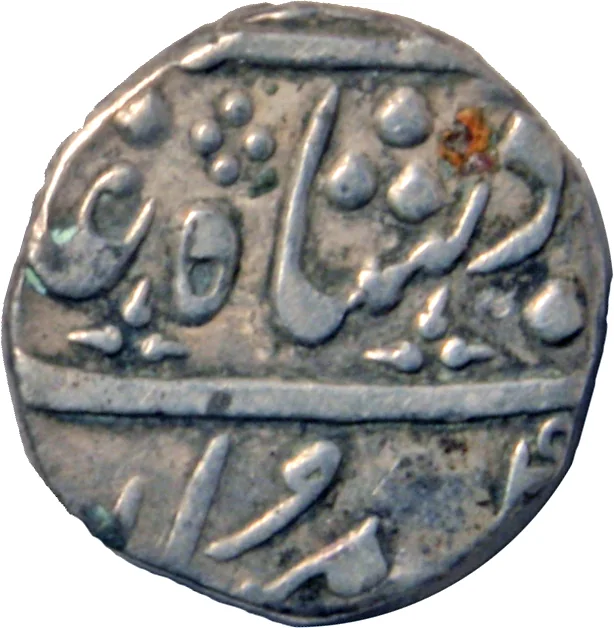
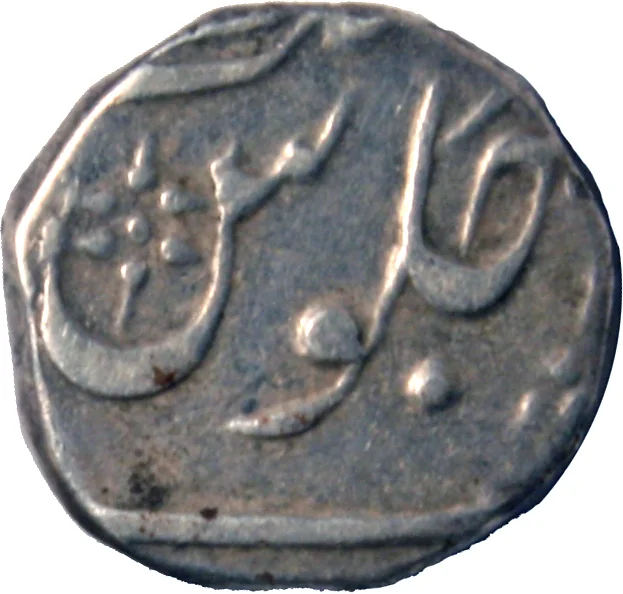
½ rupee – Bombay Presidency
Add to wishlist
India
Context
Material
Diameter: 17 mm
Weight: 5.7 g
Silver Weight:: 5.70 g
Shape: Irregular round
Composition: Silver
Magnetic: No
References
KM: #
Numista: #56767
Value
Bullion value: $14.45
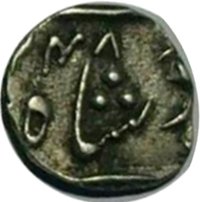
Obverse
Description:
Coins of Emperor Akbar the Great.
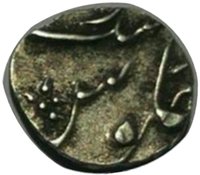
Reverse
Description:
Ahmedabad coin, Year 1 of Maimanat Manus reign.
Edge
Plain
Mintings
| Year | Mint Mark | Mintage | Quality | Collection |
|---|---|---|---|---|
| — | — | — | ||
| 1818 | — | — | ||
| 1824 | — | — | ||
| 1827 | — | — | ||
| 1828 | — | — | ||
| 1829 | — | — | ||
| 1833 | — | — |
Historical background
In 1817, the Bombay Presidency was grappling with a complex and chaotic currency system, a legacy of its diverse political history and economic connections. The region was a mosaic of different monetary zones: the Company's territories used the Bombay rupee (itself differing from the Bengal rupee), while numerous princely states and former Maratha lands circulated their own distinct coins. Furthermore, a vast quantity of old Mughal, Persian, and European coins remained in use, creating a bewildering array of values and metallic compositions. This fragmentation severely hampered trade, as merchants constantly dealt with the risks and costs of exchange and assay.
The core of the problem was the absence of a uniform standard. The British East India Company, having recently consolidated its control after the Anglo-Maratha Wars, lacked the administrative reach to impose a single currency. Transactions required expert shroffs (money-changers) to assess the weight and purity of each coin, leading to widespread fraud and uncertainty. The situation was exacerbated by a scarcity of small-denomination coins for everyday use, causing significant hardship for the common population and stifling internal commerce within the Presidency.
Recognising this as a major obstacle to both governance and economic growth, the Company authorities were on the cusp of significant reform. The chaotic system of 1817 provided the urgent impetus for the major recoinage that would follow. Just a few years later, in the 1820s, the Company would move decisively to introduce a uniform silver rupee and a regulated system of subsidiary coins, aiming to replace the anarchy of 1817 with a standardised currency that would facilitate revenue collection and integrate the Bombay economy into a larger imperial system.
The core of the problem was the absence of a uniform standard. The British East India Company, having recently consolidated its control after the Anglo-Maratha Wars, lacked the administrative reach to impose a single currency. Transactions required expert shroffs (money-changers) to assess the weight and purity of each coin, leading to widespread fraud and uncertainty. The situation was exacerbated by a scarcity of small-denomination coins for everyday use, causing significant hardship for the common population and stifling internal commerce within the Presidency.
Recognising this as a major obstacle to both governance and economic growth, the Company authorities were on the cusp of significant reform. The chaotic system of 1817 provided the urgent impetus for the major recoinage that would follow. Just a few years later, in the 1820s, the Company would move decisively to introduce a uniform silver rupee and a regulated system of subsidiary coins, aiming to replace the anarchy of 1817 with a standardised currency that would facilitate revenue collection and integrate the Bombay economy into a larger imperial system.
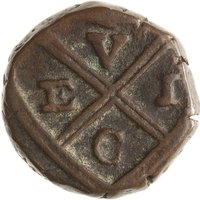
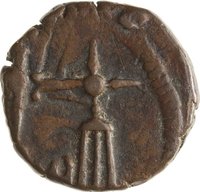
💎 Extremely Rare