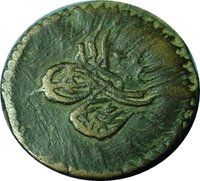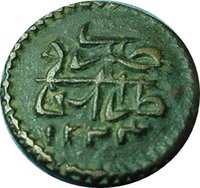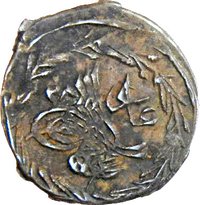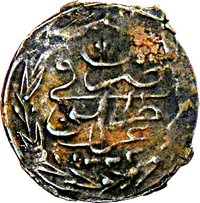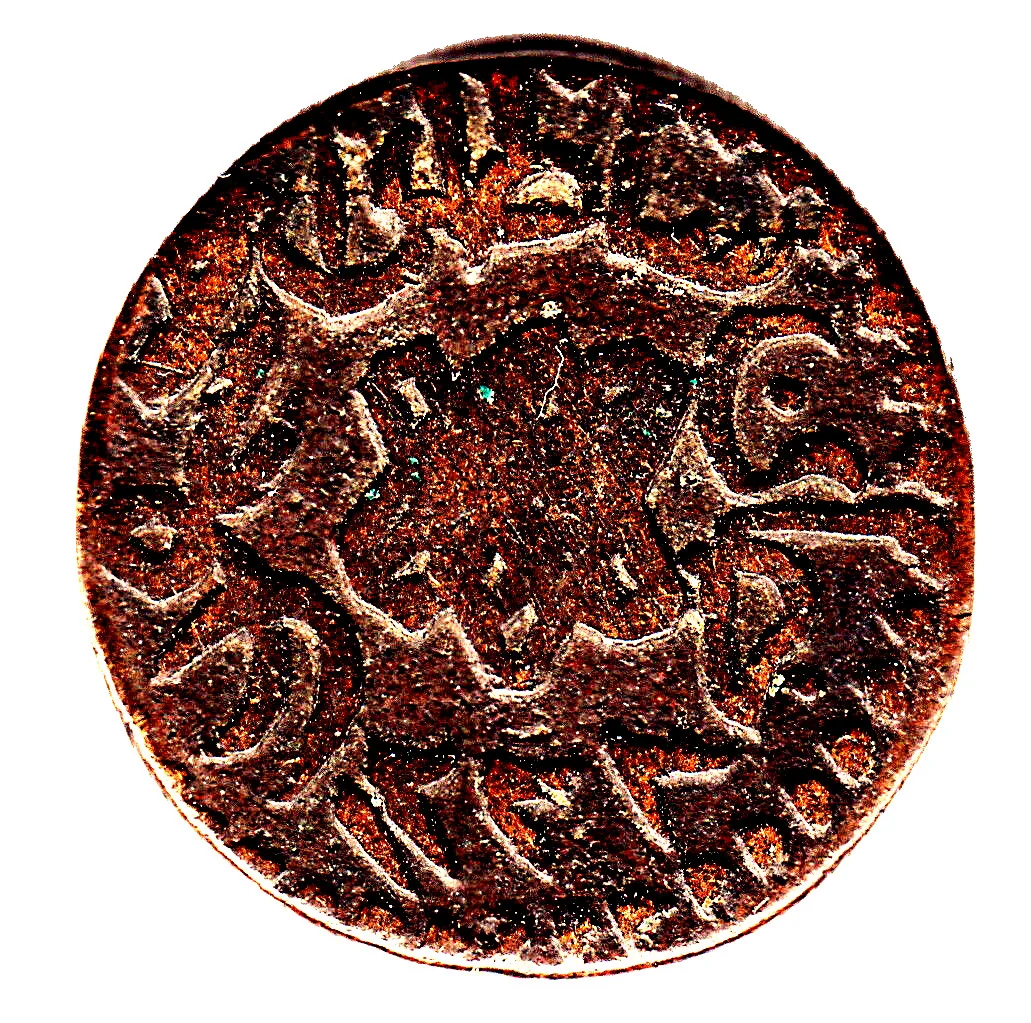
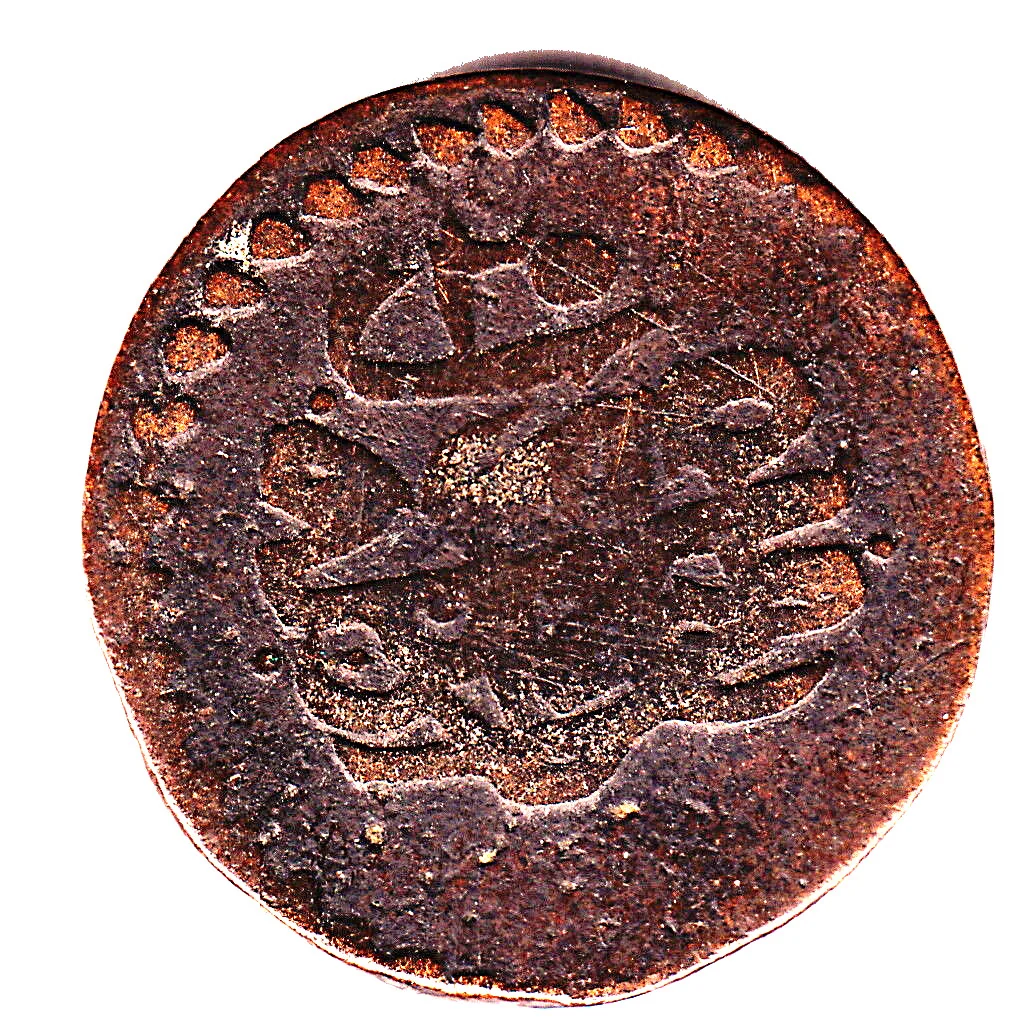
In 1833, the Regency of Tripoli was navigating a complex and transitional monetary landscape following the conclusion of the Barbary Wars. The traditional economy, once heavily reliant on state-sanctioned piracy and tribute, had been dismantled by European and American naval power, forcing the Pasha, Yusuf Karamanli, to seek new revenue. This period saw a chronic shortage of specie (gold and silver coin), as the state's coffers were depleted, and trade deficits drained precious metal to Europe. Consequently, the circulating currency was a heterogeneous mix, including Spanish dollars (pieces of eight), Austrian thalers, and other European coins, alongside a debased local copper coinage, the
mangır.
The currency situation was further complicated by the Ottoman Empire's ongoing monetary reforms. While Tripoli was a semi-autonomous regency, it remained nominally under Ottoman sovereignty. The Ottoman government in Constantinople was attempting to standardize currency across its domains, introducing new gold
liras and silver
kuruş. These Ottoman coins circulated alongside the older, often more trusted, foreign silver, leading to exchange rate fluctuations and confusion. The local authorities had limited control over this monetary system, and the value of coins was often determined by weight and metal content in individual transactions.
This unstable and multi-currency environment hindered both internal trade and external commerce. Merchants and officials faced constant difficulties with valuation and exchange, which discouraged investment and complicated tax collection. The currency crisis of 1833 was thus a symptom of the Regency's broader political and economic decline, reflecting its struggle to adapt to a post-corsair era within the weakening framework of the Ottoman Empire, ultimately contributing to the financial instability that would lead to Ottoman reoccupation and direct rule in 1835.