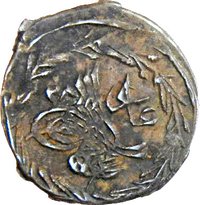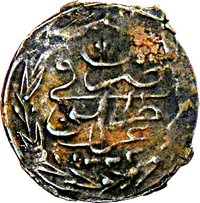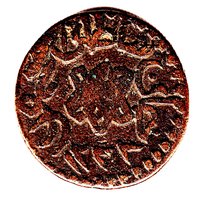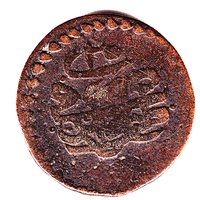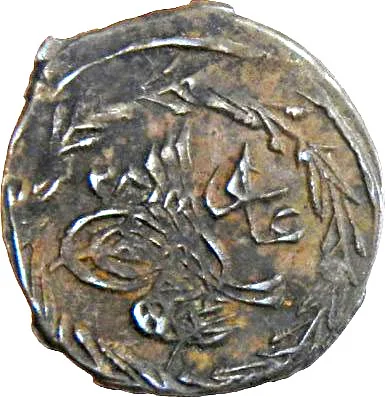
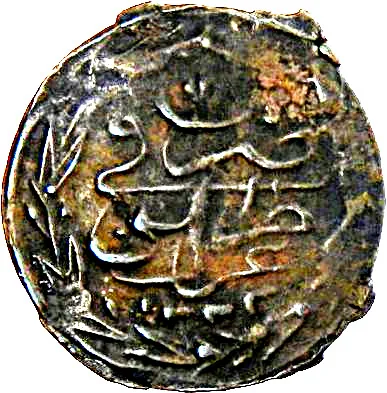
In 1835, the Regency of Tripoli was in a state of monetary disarray and transition, a direct consequence of its declining power and recent political upheaval. The once-formidable corsair state, which had derived much of its wealth from tribute and naval predation, saw that income stream severely curtailed following the Barbary Wars with the United States and subsequent European pressure. This fiscal crisis was compounded by internal strife, culminating in the Ottoman Empire’s direct intervention in 1835 to depose the ruling Karamanli dynasty and re-establish immediate imperial control. The change in government destabilized an already fragile economy, disrupting existing fiscal structures and creating uncertainty in the currency system.
The circulating medium was a complex mixture of old and new, foreign and domestic. Historically, a variety of coins circulated, including Spanish and Austrian thalers (known as
riyals), Ottoman
kurush (piastres), and local fractional copper coins called
fals. The Ottoman authorities, upon reasserting control, sought to impose standard imperial currency to integrate Tripoli into the empire’s economic sphere. However, the old Karamanli-issued coins, along with well-worn foreign silver, remained in widespread use, leading to a confusing dual system. Exchange rates were unstable, and the value of coins heavily depended on their metal content, wear, and the authority of the issuer, causing difficulties in trade and taxation.
This chaotic currency situation reflected the broader challenges of the Regency under early Ottoman direct rule. The administration struggled to impose monetary order while managing a depleted treasury and a economy in transition from piracy to legitimate trade and agriculture. The unreliable and heterogeneous coinage hindered commercial recovery and state revenue collection, symbolizing the difficult path toward consolidation as the Ottomans worked to transform Tripoli from a semi-autonomous regency into a provincial capital within the modernizing empire.