

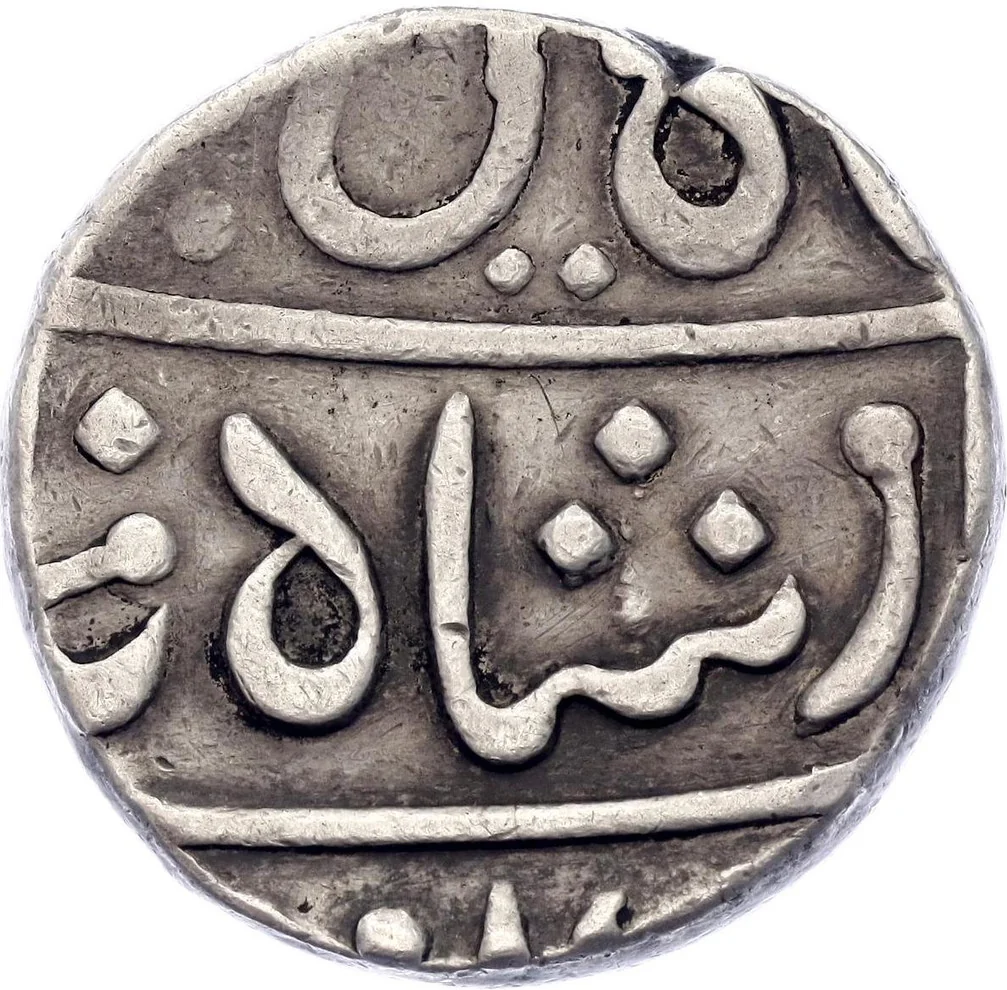
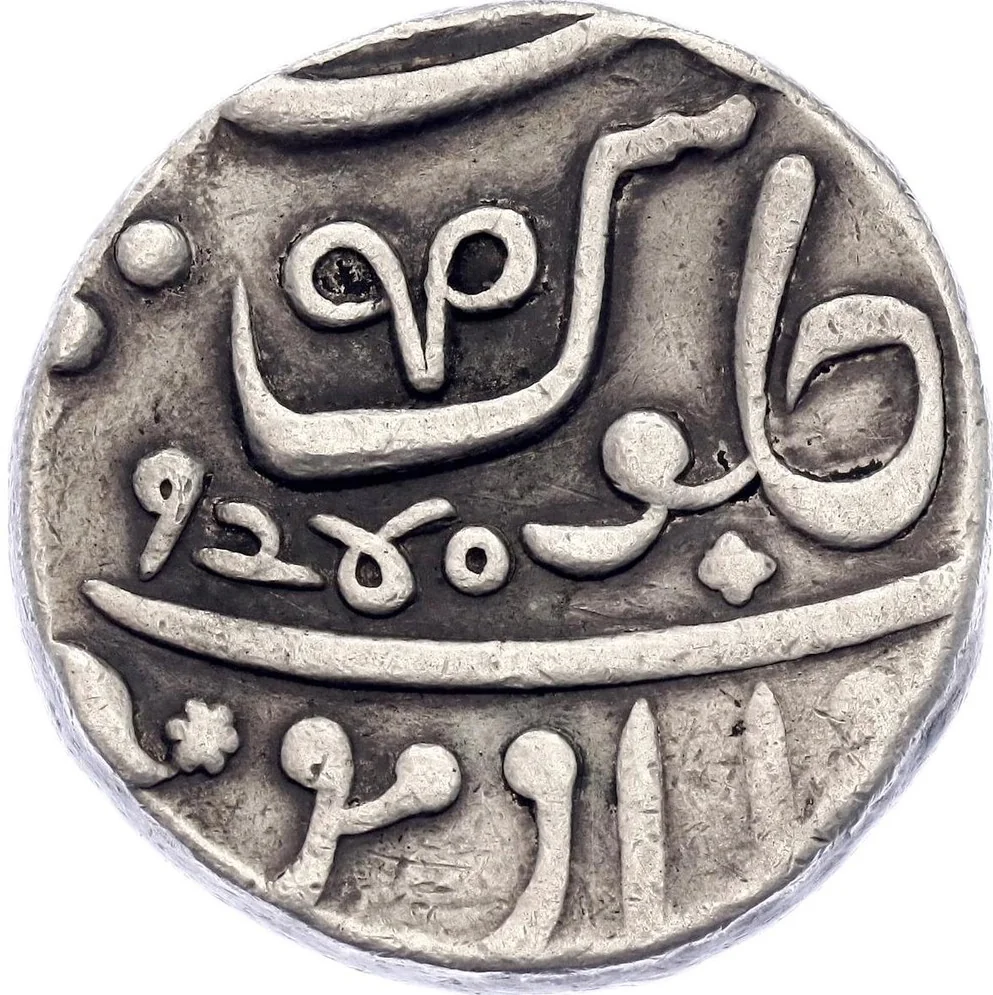
1 Rupee – Bombay Presidency
India
Context
Years: 1820–1834
Country: India 
Issuer: Bombay Presidency
Ruler: George IV
Currency:
(1672—1835)
Demonetized: Yes
Material
Diameter: 24 mm
Weight: 11.35 g
Silver weight: 11.35 g
Shape: Irregular round
Composition: Silver
Magnetic: No
Technique: Hammered
References
Numista: #71145
Value
Bullion value: $31.95
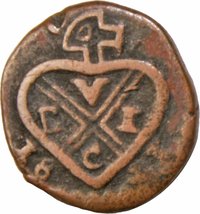
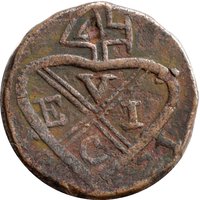
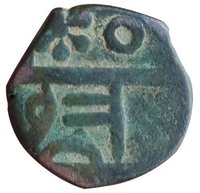
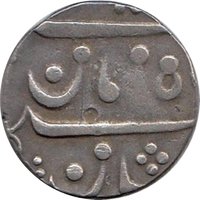
Obverse
Description:
Shah Alam II
Inscription:
شاہ علی گوہر
بادشاہ غانزی
سکہ مبارک
بادشاہ غانزی
سکہ مبارک
Translation:
Shah Ali Gauhar
Emperor Ghazi
Auspicious Coin
Emperor Ghazi
Auspicious Coin
Script: Persian (nastaliq)
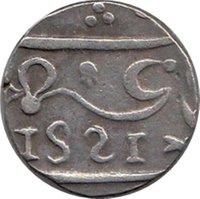
Reverse
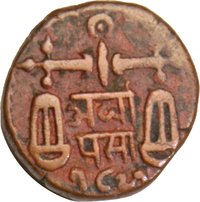
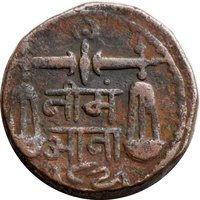
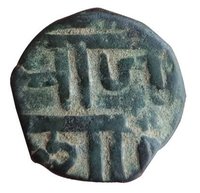
Description:
Zarb Muhiabad, Poona, Jalus 1230 Maimanat Manus
Inscription:
ضرب محی آباد پونہ
ثناءجلوس१२६०
میمنات مانوس
ثناءجلوس१२६०
میمنات مانوس
Translation:
Struck at Muhiabad Pune
In the 12th year of the auspicious reign
In the 12th year of the auspicious reign
Script: Persian (nastaliq)
Edge
Plain
Mints
| Name | Mark |
|---|---|
| Poona | nagphani |
Mintings
| Year | Mint Mark | Mintage | Quality | Collection |
|---|---|---|---|---|
| 1820 | — | — | ||
| 1821 | — | — | ||
| 1822 | — | — | ||
| 1823 | — | — | ||
| 1824 | — | — | ||
| 1825 | — | — | ||
| 1826 | — | — | ||
| 1827 | — | — | ||
| 1828 | — | — | ||
| 1829 | — | — | ||
| 1830 | — | — | ||
| 1831 | — | — | ||
| 1832 | — | — | ||
| 1833 | — | — | ||
| 1834 | — | — |
Historical background
In 1820, the Bombay Presidency's currency system was a complex and fragmented mosaic, reflecting its diverse economic connections. The dominant official currency was the silver rupee, primarily the "Bombay rupee," which was distinct in weight and fineness from the Bengal Sicca Rupee and the Madras rupee. However, alongside this official coinage, a multitude of other currencies circulated freely, including gold mohurs, copper pice, and a bewildering array of coins from other Indian princely states, Portuguese territories, and the Arabian Gulf. This proliferation created significant challenges for trade and administration, as merchants and officials constantly dealt with fluctuating exchange rates and the need for assaying.
The situation was further complicated by the chronic scarcity of small change, which hampered daily transactions. To fill this void, a system of private token coinage and batta (a premium paid for converting one type of coin into another) had become deeply entrenched. The East India Company administration struggled to exert full control, as these informal systems were vital for the functioning of the bazaar economy. Furthermore, the Presidency's extensive trade links with the Arabian Sea region meant that currencies like the Maria Theresa Thaler and Persian and Arab coins were also common in port cities, adding another layer of monetary diversity.
This monetary chaos was increasingly seen as an impediment to the efficient collection of revenue and the expansion of commerce. By 1820, pressures for reform were building. The Company authorities were moving towards greater standardization, a process that would culminate in the Coinage Act of 1835, which introduced a uniform British Indian rupee across the subcontinent. Thus, the currency situation in 1820 represents a pivotal moment of transition, caught between a traditional, heterogeneous monetary past and a colonial-driven push for a unified, centralized system.
The situation was further complicated by the chronic scarcity of small change, which hampered daily transactions. To fill this void, a system of private token coinage and batta (a premium paid for converting one type of coin into another) had become deeply entrenched. The East India Company administration struggled to exert full control, as these informal systems were vital for the functioning of the bazaar economy. Furthermore, the Presidency's extensive trade links with the Arabian Sea region meant that currencies like the Maria Theresa Thaler and Persian and Arab coins were also common in port cities, adding another layer of monetary diversity.
This monetary chaos was increasingly seen as an impediment to the efficient collection of revenue and the expansion of commerce. By 1820, pressures for reform were building. The Company authorities were moving towards greater standardization, a process that would culminate in the Coinage Act of 1835, which introduced a uniform British Indian rupee across the subcontinent. Thus, the currency situation in 1820 represents a pivotal moment of transition, caught between a traditional, heterogeneous monetary past and a colonial-driven push for a unified, centralized system.
💎 Extremely Rare