

1 paisa – Mughal Empire
Add to wishlist
India
Context
Year: 1836
Islamic (Hijri) Year:: 1251
Country: India
Issuer: Mughal Empire
Ruler: Shah Alam II
Currency:
(1540—1842)
Demonetized: Yes
Material
Diameter: 20 mm
Weight: 6.5 g
Shape: Irregular round
Composition: Copper
Magnetic: No
Alignment: Coin alignment
flip
References
Numista: #71000
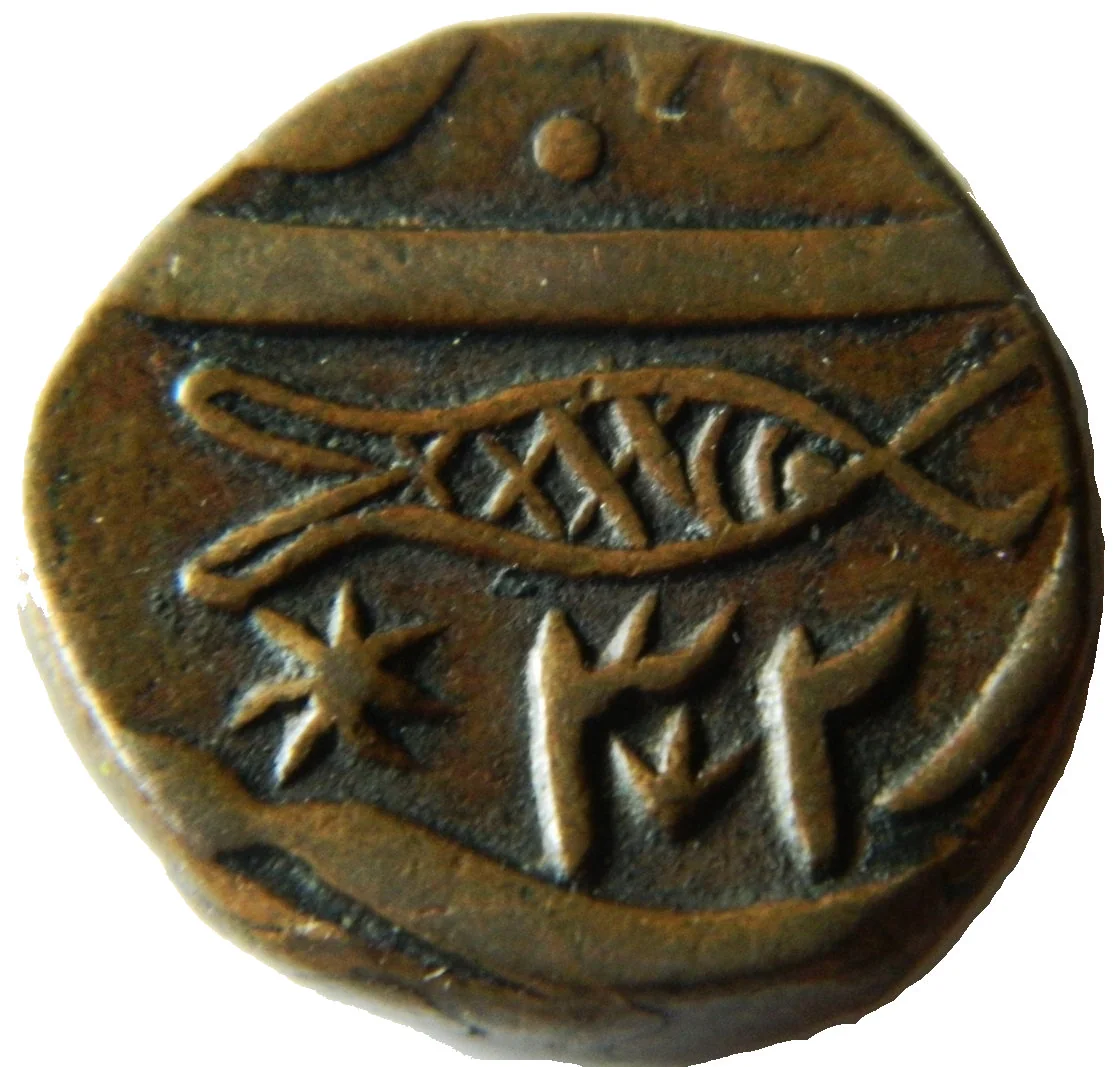
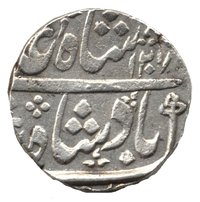
Obverse
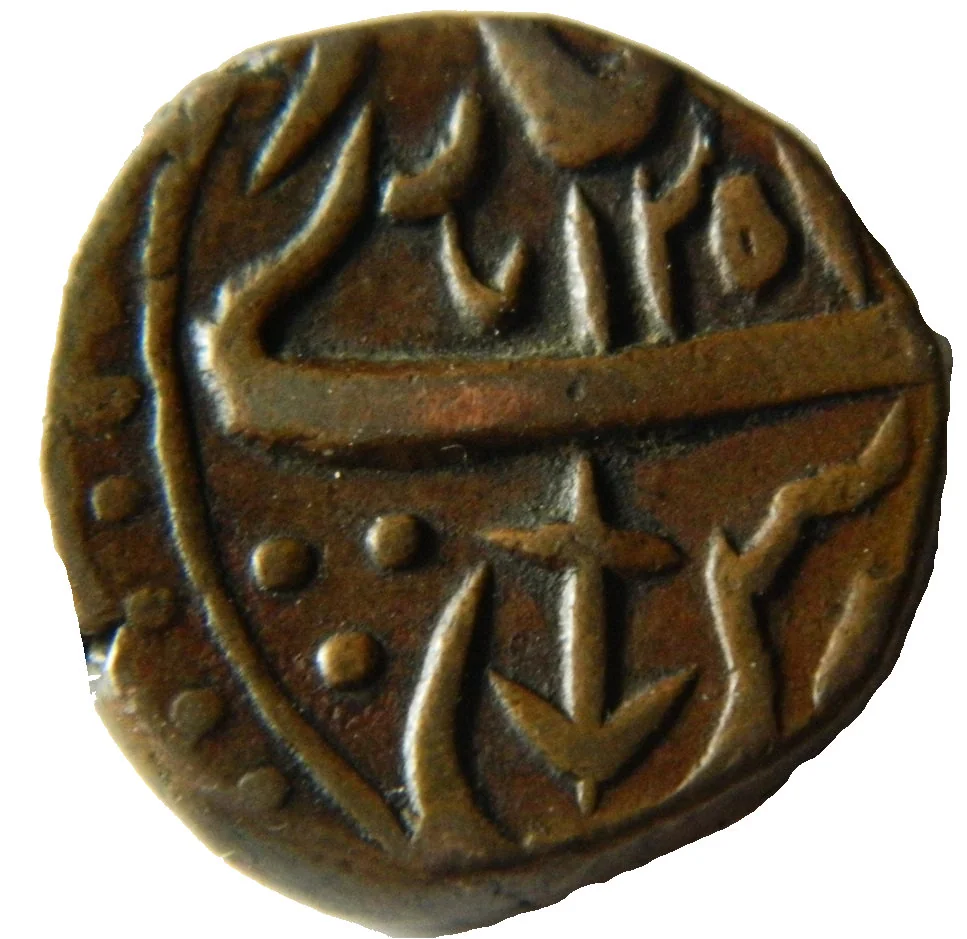
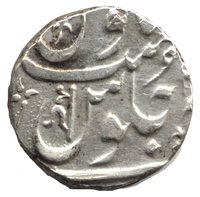
Reverse
Description:
Top anchor with revision date.
Inscription:
۱۲۵۱
Edge
Plain
Mintings
| Year | Mint Mark | Mintage | Quality | Collection |
|---|---|---|---|---|
| 1836 | — | — |
Historical background
By 1836, the Mughal Empire existed in name only, its political and monetary authority having been in terminal decline for over a century. The emperor in Delhi, Bahadur Shah Zafar, held symbolic sovereignty but real power rested with the British East India Company, which controlled vast territories and revenue streams. The Company had already established its own standardized rupee in the Bengal Presidency (the Sicca rupee) and the Bombay Presidency (the Sirat rupee), creating a complex monetary landscape where Company coins circulated alongside a plethora of older, debased Mughal and regional issues.
The traditional Mughal currency system, based on the silver rupee and the gold mohur, had fragmented. While coins still bore the name of the Mughal emperor as a nominal concession, they were minted by various regional powers—the Marathas, Sikhs, and Awadh, among others—each with varying weights and purity. This led to chronic instability, with merchants and moneylenders requiring detailed manuals (shroff books) to assess the discount rates between hundreds of different circulating coins. The British saw this monetary chaos as an impediment to efficient tax collection and trade, and were actively moving toward a uniform, Company-controlled currency.
Thus, 1836 represents a pivotal moment just before final consolidation. The British were on the cusp of introducing the Company Rupee, a unified coinage that would finally sever the numismatic link to the Mughals. The Coinage Act of 1835 was passed, authorizing the minting of new coins with the image of William IV, effectively ending the centuries-old tradition of inscribing the Mughal emperor’s name. By the end of the decade, the new uniform rupees would be in production, rendering the Mughal currency system a relic of the past and cementing British economic control over India.
The traditional Mughal currency system, based on the silver rupee and the gold mohur, had fragmented. While coins still bore the name of the Mughal emperor as a nominal concession, they were minted by various regional powers—the Marathas, Sikhs, and Awadh, among others—each with varying weights and purity. This led to chronic instability, with merchants and moneylenders requiring detailed manuals (shroff books) to assess the discount rates between hundreds of different circulating coins. The British saw this monetary chaos as an impediment to efficient tax collection and trade, and were actively moving toward a uniform, Company-controlled currency.
Thus, 1836 represents a pivotal moment just before final consolidation. The British were on the cusp of introducing the Company Rupee, a unified coinage that would finally sever the numismatic link to the Mughals. The Coinage Act of 1835 was passed, authorizing the minting of new coins with the image of William IV, effectively ending the centuries-old tradition of inscribing the Mughal emperor’s name. By the end of the decade, the new uniform rupees would be in production, rendering the Mughal currency system a relic of the past and cementing British economic control over India.
✨ Legendary