

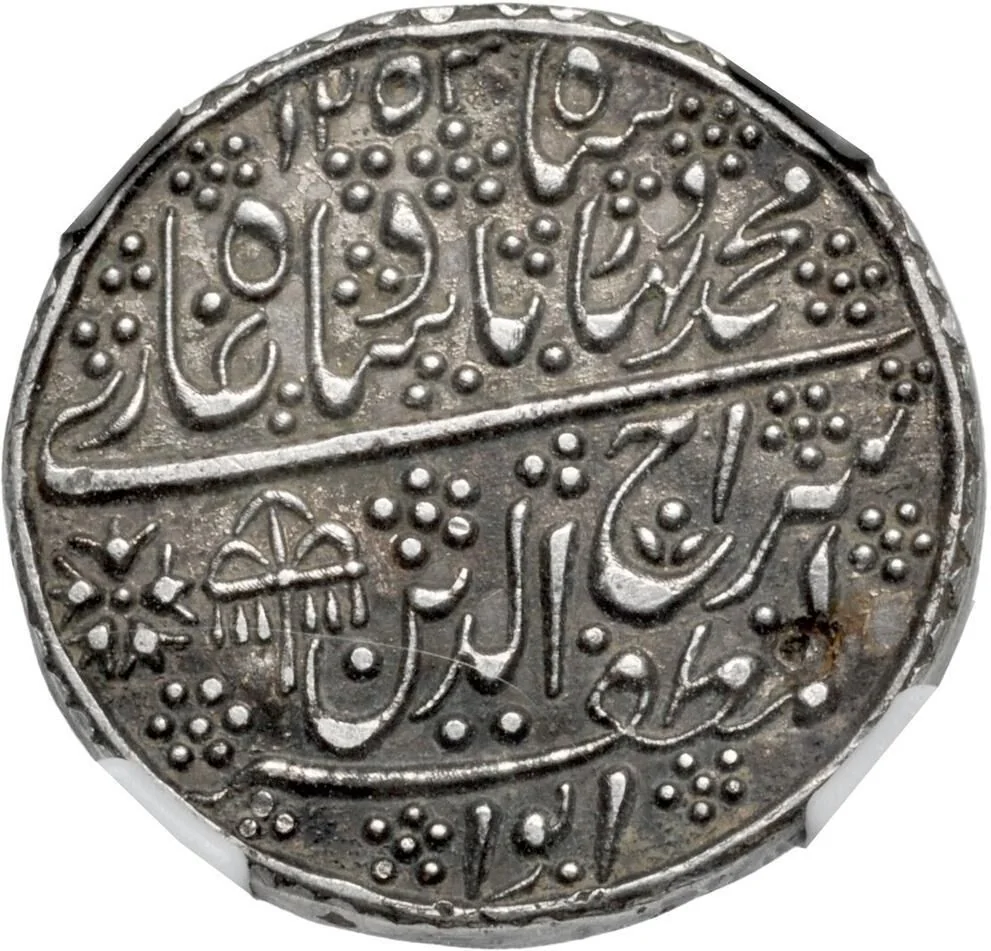
Obverse
Description:
Text, mint marks, beaded flowers.
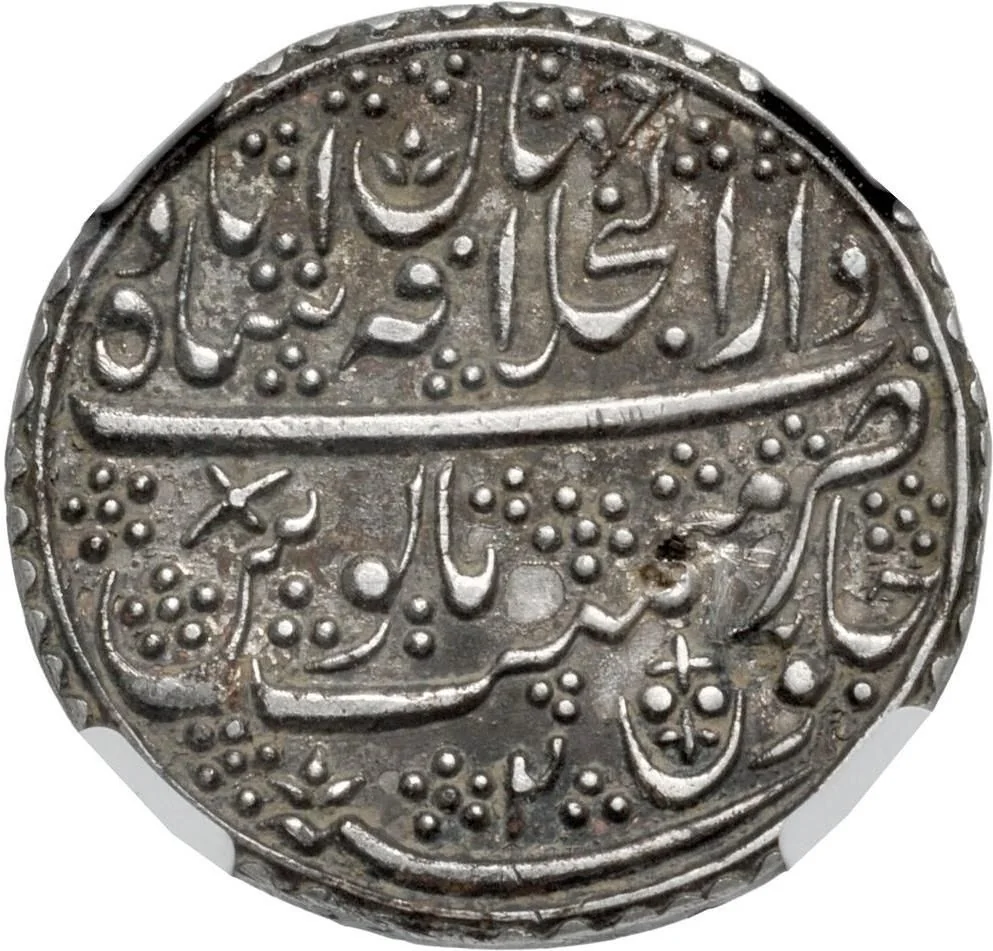
Reverse
Description:
Textured floral beads.
Edge
Mintings
| Year | Mint Mark | Mintage | Quality | Collection |
|---|---|---|---|---|
| 1837 | — | — | ||
| 1838 | — | — | ||
| 1839 | — | — | ||
| 1840 | — | — | ||
| 1841 | — | — | ||
| 1842 | — | — |
Historical background
By 1837, the Mughal Empire's currency system was a complex and fragmented reflection of its diminished political power. While the Emperor in Delhi still nominally issued coins—the gold Mohur, silver Rupee, and copper Dam—his authority over the monetary system had dramatically eroded. The East India Company, now the dominant political and military force across much of the subcontinent, minted its own uniform rupees at its Calcutta, Bombay, and Madras presidencies. These Company rupees, alongside a bewildering array of older Mughal, regional, and feudal issues, circulated simultaneously, creating a chaotic monetary landscape where the value and weight of coins bearing the same name could vary significantly.
This period was one of transition and competition. The Company was actively working to standardize the rupee on the 180-grain sicca standard, aiming to replace the plethora of local currencies with a stable, unified system to facilitate trade and tax collection. However, in 1837, this process was far from complete. In the remaining Mughal territories around Delhi, older coins like the Faruqi rupee still circulated, while in areas like Awadh and Hyderabad, semi-independent Nawabs continued to mint their own coins, often still bearing the name of the Mughal emperor as a form of symbolic legitimacy, even as they exercised full fiscal autonomy.
Thus, the currency situation in 1837 was a potent symbol of the empire's twilight. The Mughal mint still operated, but its output was limited and locally relevant. The real monetary power resided with the East India Company, which was systematically building the framework for a colonial economy. The coexistence of Mughal, Company, and regional coinage represented the overlapping layers of sovereignty in India, a tangible manifestation of the shift from Mughal suzerainty to Company rule that would be formally cemented just two decades later following the rebellion of 1857.
This period was one of transition and competition. The Company was actively working to standardize the rupee on the 180-grain sicca standard, aiming to replace the plethora of local currencies with a stable, unified system to facilitate trade and tax collection. However, in 1837, this process was far from complete. In the remaining Mughal territories around Delhi, older coins like the Faruqi rupee still circulated, while in areas like Awadh and Hyderabad, semi-independent Nawabs continued to mint their own coins, often still bearing the name of the Mughal emperor as a form of symbolic legitimacy, even as they exercised full fiscal autonomy.
Thus, the currency situation in 1837 was a potent symbol of the empire's twilight. The Mughal mint still operated, but its output was limited and locally relevant. The real monetary power resided with the East India Company, which was systematically building the framework for a colonial economy. The coexistence of Mughal, Company, and regional coinage represented the overlapping layers of sovereignty in India, a tangible manifestation of the shift from Mughal suzerainty to Company rule that would be formally cemented just two decades later following the rebellion of 1857.
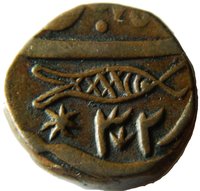
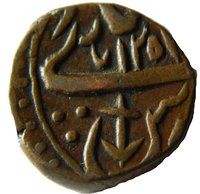
✨ Legendary