

10 yuan – People's Republic of China
Add to wishlist
China
Context
Year: 2015
Country: China
Issuer: People's Republic of China
Period:
(since 1949)
Currency:
(since 1955)
Total mintage: 10,000,000
Material
References
KM: #
Numista: #70564
Value
Exchange value: 10 CNY
Inflation-adjusted value: 11.63 CNY
Obverse
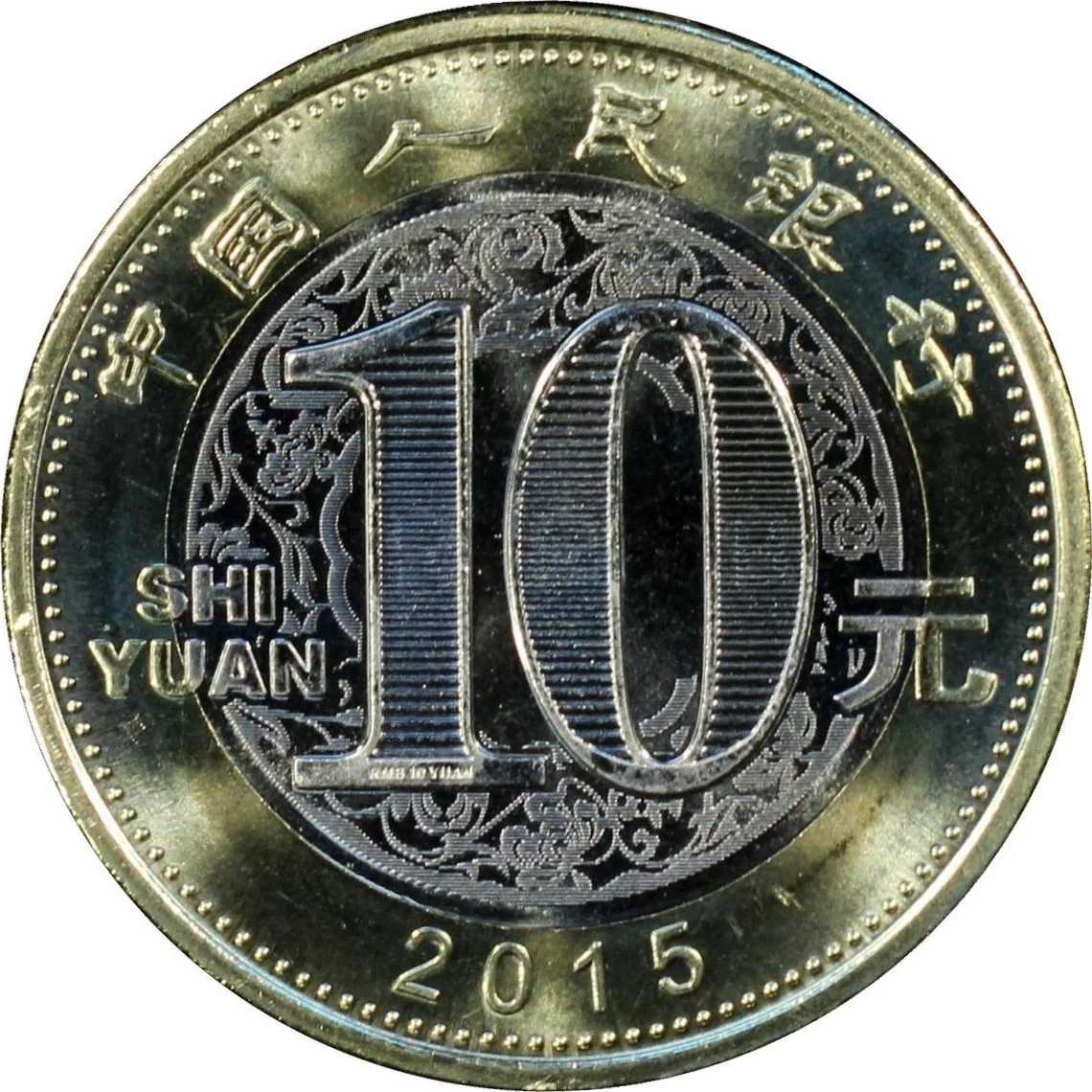
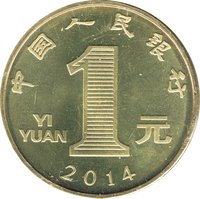
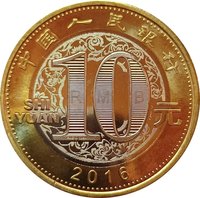
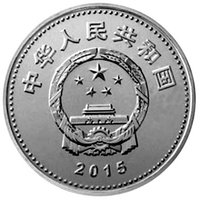
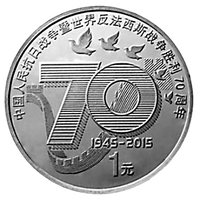
Inscription:
中国人民银行
SHI
YUAN
10元
RMB 10 YUAN
2015
SHI
YUAN
10元
RMB 10 YUAN
2015
Translation:
The People's Bank of China
Ten
Yuan
10 Yuan
RMB 10 Yuan
2015
Ten
Yuan
10 Yuan
RMB 10 Yuan
2015
Language: Chinese
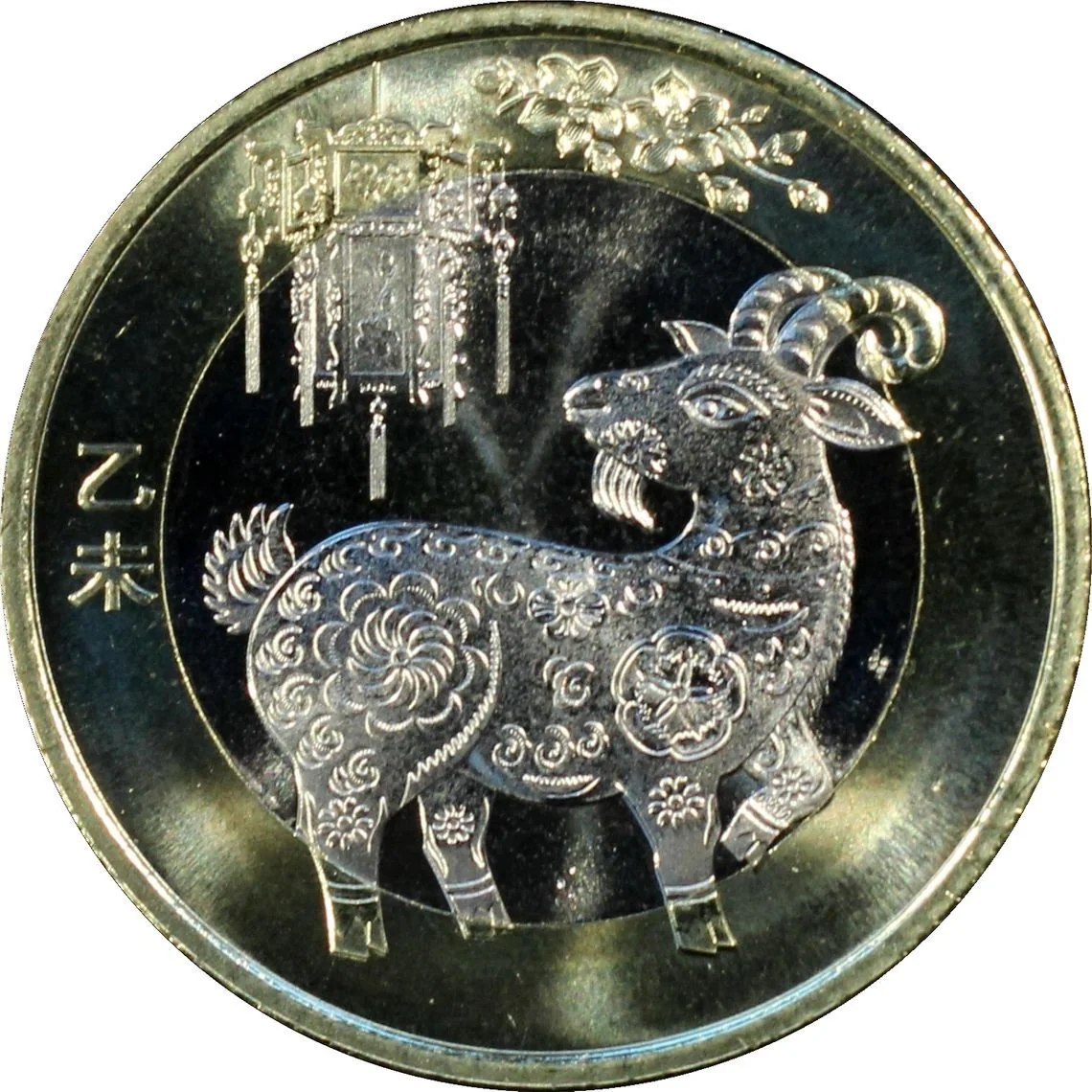
Reverse
Edge
Reeded
Categories
| Animal> Goat |
| Astrology> Chinese calendar |
Mintings
| Year | Mint Mark | Mintage | Quality | Collection |
|---|---|---|---|---|
| 2015 | — | 10,000,000 |
Historical background
In 2015, the People's Republic of China faced a pivotal and complex currency situation centered on the management of the renminbi (RMB). The year was defined by the Chinese government's strategic goal of internationalizing its currency, which culminated in a landmark decision by the International Monetary Fund (IMF) in November to include the RMB in its Special Drawing Rights (SDR) basket. This move, effective October 2016, was a major diplomatic and financial achievement, recognizing the RMB as a global reserve currency. To meet the IMF's "freely usable" criteria, the People's Bank of China (PBOC) had undertaken a series of reforms, including widening the RMB's daily trading band and moving toward a more market-oriented exchange rate mechanism.
However, this period of triumph was immediately followed by significant market turbulence. In August 2015, the PBOC surprised global markets by devaluing the RMB's daily reference rate by nearly 2% over three days, citing a new "market-maker" system to better reflect supply and demand. This move, interpreted by international investors as a deliberate devaluation to boost flagging exports amid slowing economic growth, triggered a wave of capital outflows and heightened fears about the stability of the Chinese economy. The subsequent depletion of China's substantial foreign exchange reserves—which fell by nearly $1 trillion from their 2014 peak—as the PBOC intervened to prop up the currency, revealed the underlying pressures of capital flight and diverging monetary policy with the United States.
The year concluded with the currency situation embodying a central contradiction: China's ambition for global financial integration versus its need for domestic economic control. The SDR inclusion validated its reform path, but the market volatility exposed the fragility of transitioning from a tightly managed peg to a more flexible system. The 2015 experience forced Chinese authorities to walk a fine line, implementing stricter capital controls to stem outflows while continuing to promise further liberalization, setting the stage for ongoing cautious and managed reforms in the years that followed.
However, this period of triumph was immediately followed by significant market turbulence. In August 2015, the PBOC surprised global markets by devaluing the RMB's daily reference rate by nearly 2% over three days, citing a new "market-maker" system to better reflect supply and demand. This move, interpreted by international investors as a deliberate devaluation to boost flagging exports amid slowing economic growth, triggered a wave of capital outflows and heightened fears about the stability of the Chinese economy. The subsequent depletion of China's substantial foreign exchange reserves—which fell by nearly $1 trillion from their 2014 peak—as the PBOC intervened to prop up the currency, revealed the underlying pressures of capital flight and diverging monetary policy with the United States.
The year concluded with the currency situation embodying a central contradiction: China's ambition for global financial integration versus its need for domestic economic control. The SDR inclusion validated its reform path, but the market volatility exposed the fragility of transitioning from a tightly managed peg to a more flexible system. The 2015 experience forced Chinese authorities to walk a fine line, implementing stricter capital controls to stem outflows while continuing to promise further liberalization, setting the stage for ongoing cautious and managed reforms in the years that followed.
Series: China Lunar Coin
🌱 Fairly Common