

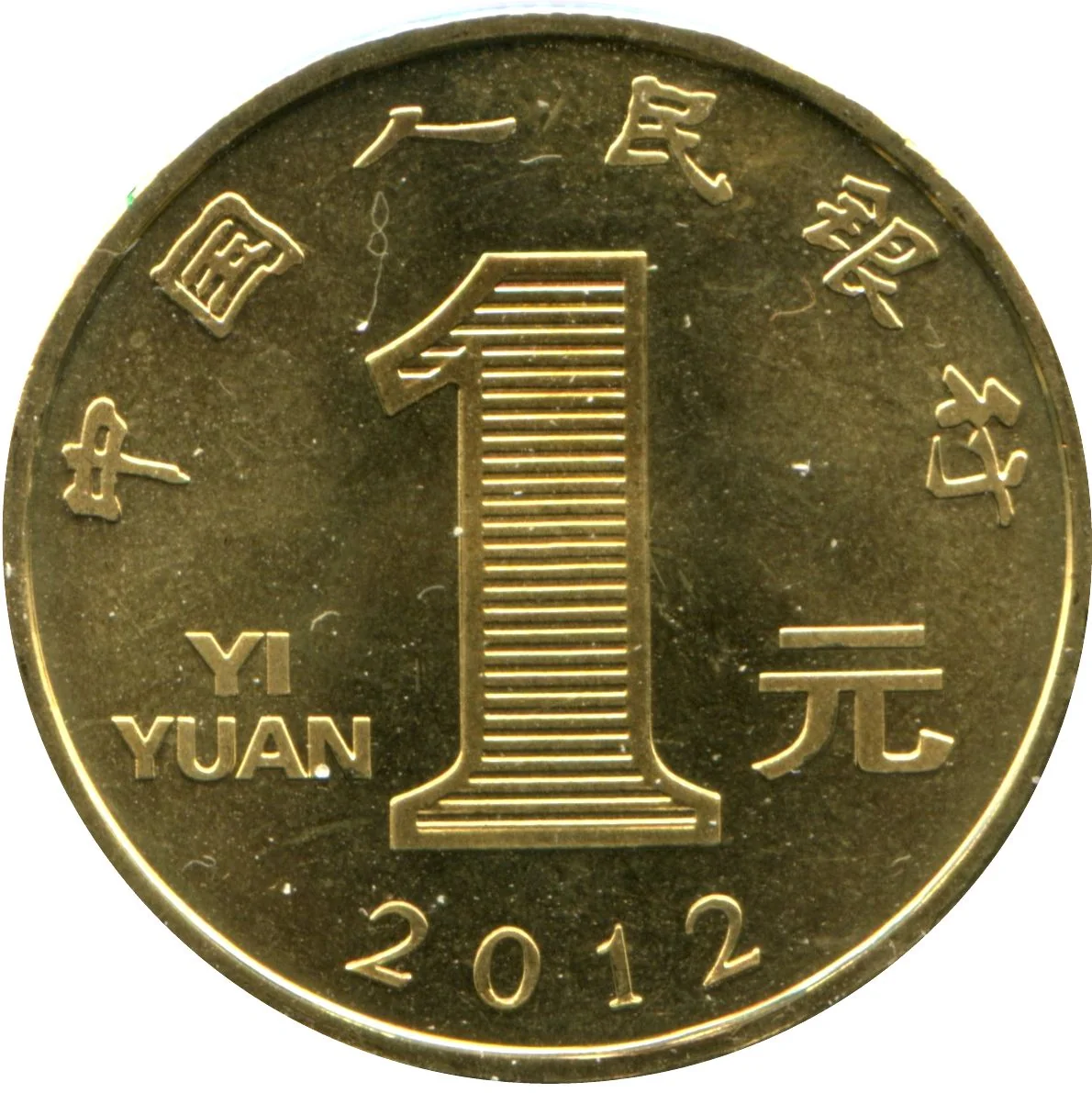
1 yuan – People's Republic of China
Add to wishlist
China
Context
Year: 2012
Country: China
Issuer: People's Republic of China
Period:
(since 1949)
Currency:
(since 1955)
Total mintage: 80,000,000
Material
References
KM: #
Numista: #37127
Value
Exchange value: 1 CNY
Inflation-adjusted value: 1.25 CNY
Obverse
Reverse
Description:
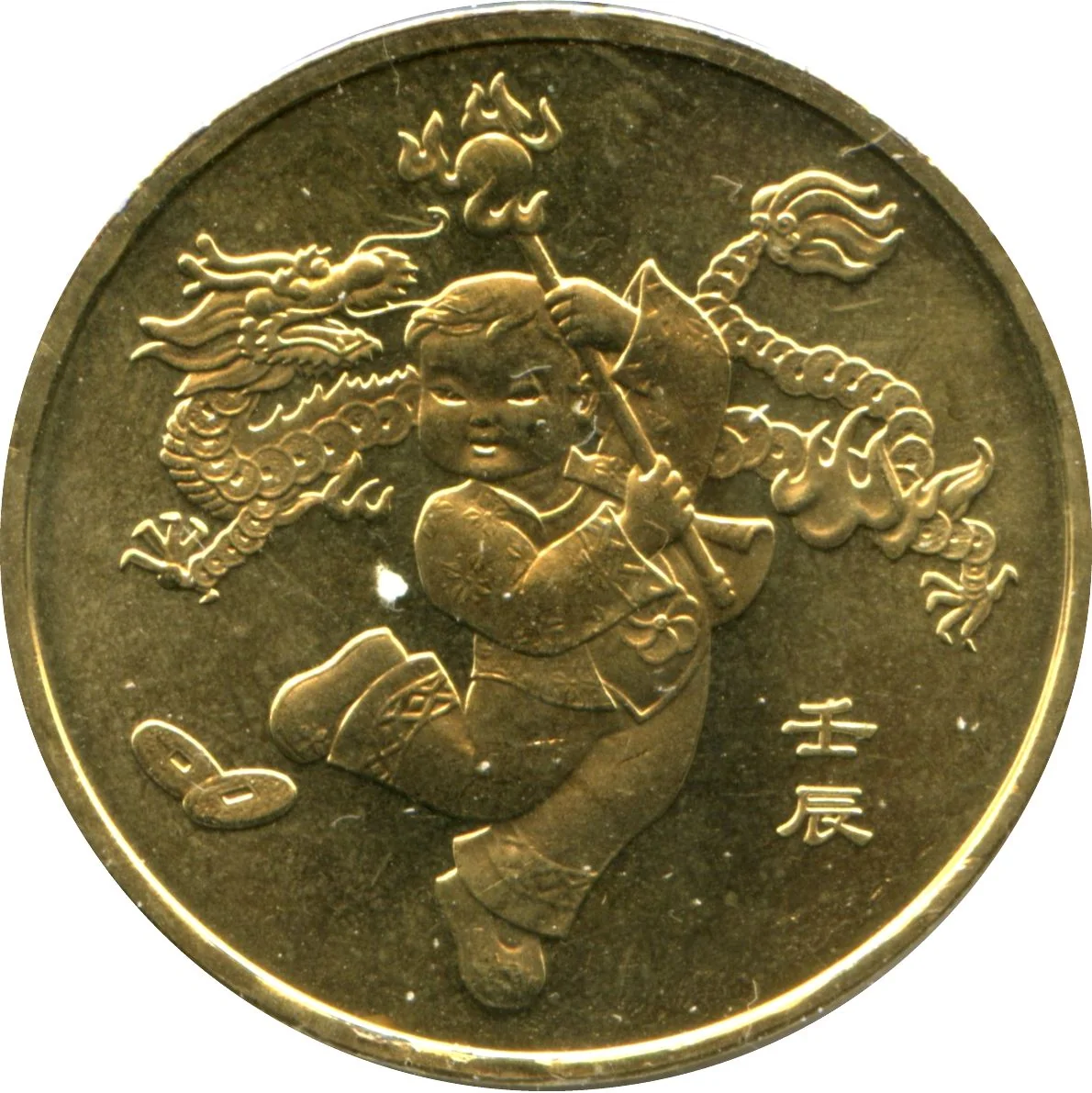
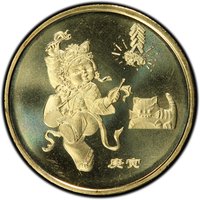
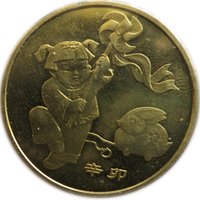
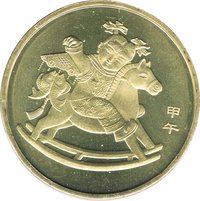
A boy in traditional dress performs a dragon dance. The characters "Renchen" are printed inside, at bottom right.
Inscription:
壬辰
Translation:
Ren Chen
Script: Chinese (simplified)
Language: Chinese
Edge
Smooth with inscription
Legend:
RMB - ...
Categories
| Mythology> Fantastic animal |
| Astrology> Chinese calendar |
| Currency> Coin depiction |
Mintings
| Year | Mint Mark | Mintage | Quality | Collection |
|---|---|---|---|---|
| 2012 | — | 80,000,000 |
Historical background
In 2012, the People's Republic of China's currency, the renminbi (RMB), was at a critical juncture in its long-term policy of internationalization, while managing significant domestic and external pressures. Domestically, the economy was undergoing a deliberate slowdown from the double-digit growth of previous years, with GDP expanding at 7.8%—its lowest rate in over a decade. This context framed the People's Bank of China's (PBOC) monetary policy, which shifted towards targeted easing to support growth, after a period of tightening to combat inflation in 2011. The exchange rate regime, often described as a "managed float," saw the RMB appreciate modestly against the US dollar, continuing a gradual path initiated with the unpegging in 2005.
Externally, the currency faced persistent international pressure, particularly from the United States and Europe, to appreciate faster. Critics argued the RMB was undervalued, giving Chinese exports an unfair advantage and contributing to global trade imbalances. In response, China continued to cautiously promote the RMB's use in cross-border trade settlement, a key pillar of its internationalization strategy. The year also saw landmark agreements, such as a direct trading link between the RMB and Japanese yen, established in June, which bypassed the US dollar and was a symbolic step towards challenging the dollar's dominance in Asian trade.
However, 2012 was also a year of contradictions and controlled liberalization. While promoting international use, China maintained strict capital controls, creating a segmented "onshore" (CNY) and "offshore" (CNH) market for its currency. The goal was to create a buffer against speculative financial flows while gradually expanding the RMB's footprint. By year's end, the RMB had climbed to become the 14th most-used global payment currency, reflecting steady but cautious progress. The situation underscored China's dual objective: integrating more deeply into the global financial system while retaining sovereign control over its monetary policy and exchange rate to ensure domestic economic stability.
Externally, the currency faced persistent international pressure, particularly from the United States and Europe, to appreciate faster. Critics argued the RMB was undervalued, giving Chinese exports an unfair advantage and contributing to global trade imbalances. In response, China continued to cautiously promote the RMB's use in cross-border trade settlement, a key pillar of its internationalization strategy. The year also saw landmark agreements, such as a direct trading link between the RMB and Japanese yen, established in June, which bypassed the US dollar and was a symbolic step towards challenging the dollar's dominance in Asian trade.
However, 2012 was also a year of contradictions and controlled liberalization. While promoting international use, China maintained strict capital controls, creating a segmented "onshore" (CNY) and "offshore" (CNH) market for its currency. The goal was to create a buffer against speculative financial flows while gradually expanding the RMB's footprint. By year's end, the RMB had climbed to become the 14th most-used global payment currency, reflecting steady but cautious progress. The situation underscored China's dual objective: integrating more deeply into the global financial system while retaining sovereign control over its monetary policy and exchange rate to ensure domestic economic stability.
Series: China Lunar Coin

🌟 Uncommon