

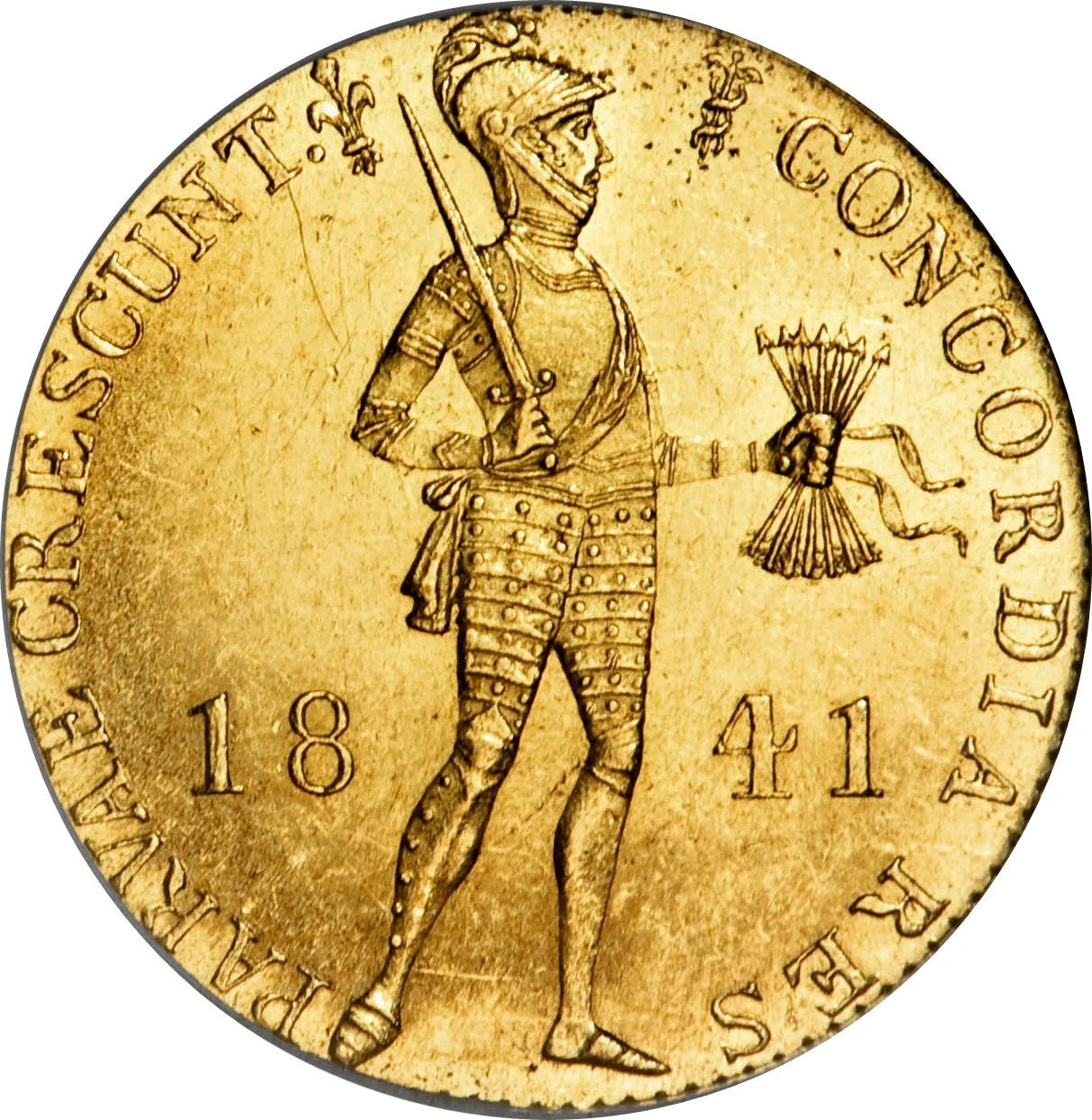
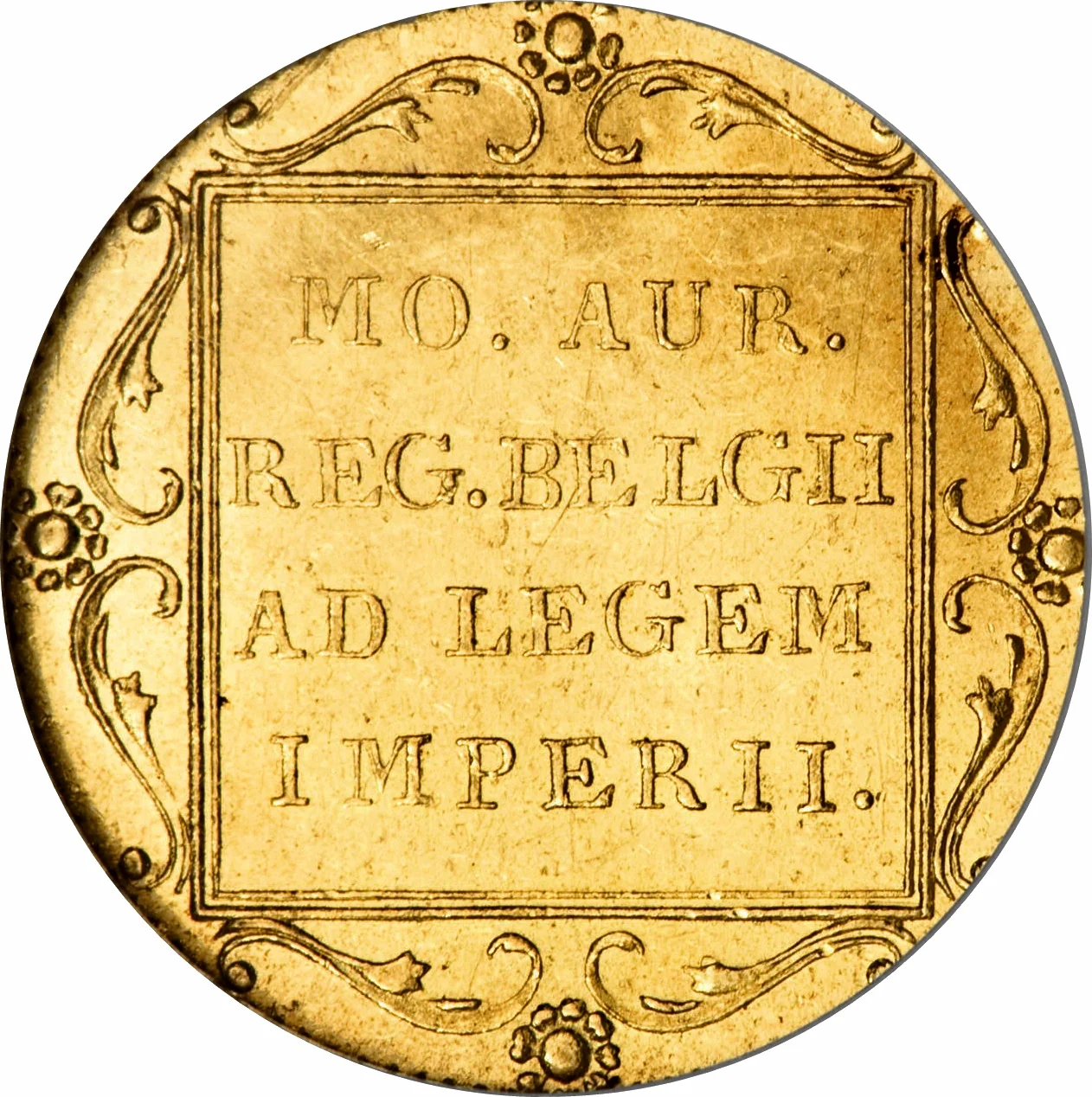
1 Ducat – Netherlands
Netherlands
Context
Year: 1841
Issuer: Netherlands 
Ruler: William II
Currency:
(1817—2001)
Demonetized: Yes
Total mintage: 3,904,240
Material
References
KM: #Click to copy to clipboard70
Numista: #69689
Value
Exchange value: 17⁄3 NLG
Bullion value: $572.97
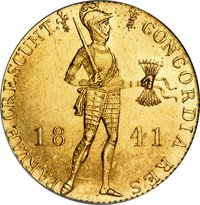
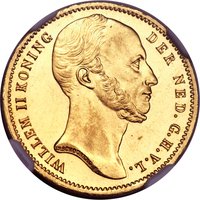
Obverse
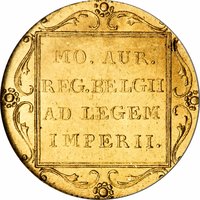
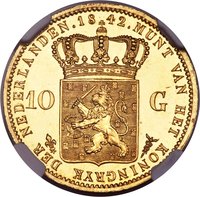
Reverse
Edge
Slanted reeding
Categories
| Object> Armour |
| Object> Cold weapons |
Mints
| Name | Mark |
|---|---|
| Royal Dutch Mint | — |
Mintings
| Year | Mint Mark | Mintage | Quality | Collection |
|---|---|---|---|---|
| 1841 | — | 3,904,240 |
Historical background
In 1841, the Netherlands operated under a complex and fragmented monetary system, a legacy of its historical provinces and recent political unions. The official currency was the Dutch guilder (gulden), but its value and physical composition were not uniform. The country was effectively divided into two monetary zones: the northern provinces used "Hollandse gulden," based on the silver standard, while the southern provinces (largely present-day Belgium, which had seceded in 1830 but whose currency remained in circulation) used "Vlaamse gulden," which had a lower silver content. This duality caused significant confusion for trade and daily transactions, as the values of coins bearing the same name differed.
This situation was a direct result of the monetary law of 1816, which established a bimetallic standard (gold and silver) but failed to fully unify the coinage in circulation. Older coins from the Dutch Republic, French occupation, and the brief union with Belgium remained legal tender, leading to a proliferation of coin types. Furthermore, the fixed ratio between gold and silver in the law did not align with fluctuating international market values, causing the undervalued metal to be hoarded or exported. By 1841, this had led to a practical scarcity of sound silver coinage, exacerbating the circulation of worn and foreign coins.
Consequently, the year 1841 fell within a period of monetary instability and public agitation for reform. The government and the newly established Nederlandsche Bank (founded in 1814) were grappling with the practical and economic difficulties posed by this incoherent system. Pressure was building for a definitive shift to a single, stable silver standard, a move that would culminate in the pivotal 1847 Coinage Act. This law would finally demonetize the old "Vlaamse" currency and establish a unified, modern silver guilder, paving the way for the stable monetary system of the late 19th century.
This situation was a direct result of the monetary law of 1816, which established a bimetallic standard (gold and silver) but failed to fully unify the coinage in circulation. Older coins from the Dutch Republic, French occupation, and the brief union with Belgium remained legal tender, leading to a proliferation of coin types. Furthermore, the fixed ratio between gold and silver in the law did not align with fluctuating international market values, causing the undervalued metal to be hoarded or exported. By 1841, this had led to a practical scarcity of sound silver coinage, exacerbating the circulation of worn and foreign coins.
Consequently, the year 1841 fell within a period of monetary instability and public agitation for reform. The government and the newly established Nederlandsche Bank (founded in 1814) were grappling with the practical and economic difficulties posed by this incoherent system. Pressure was building for a definitive shift to a single, stable silver standard, a move that would culminate in the pivotal 1847 Coinage Act. This law would finally demonetize the old "Vlaamse" currency and establish a unified, modern silver guilder, paving the way for the stable monetary system of the late 19th century.
✨ Legendary