

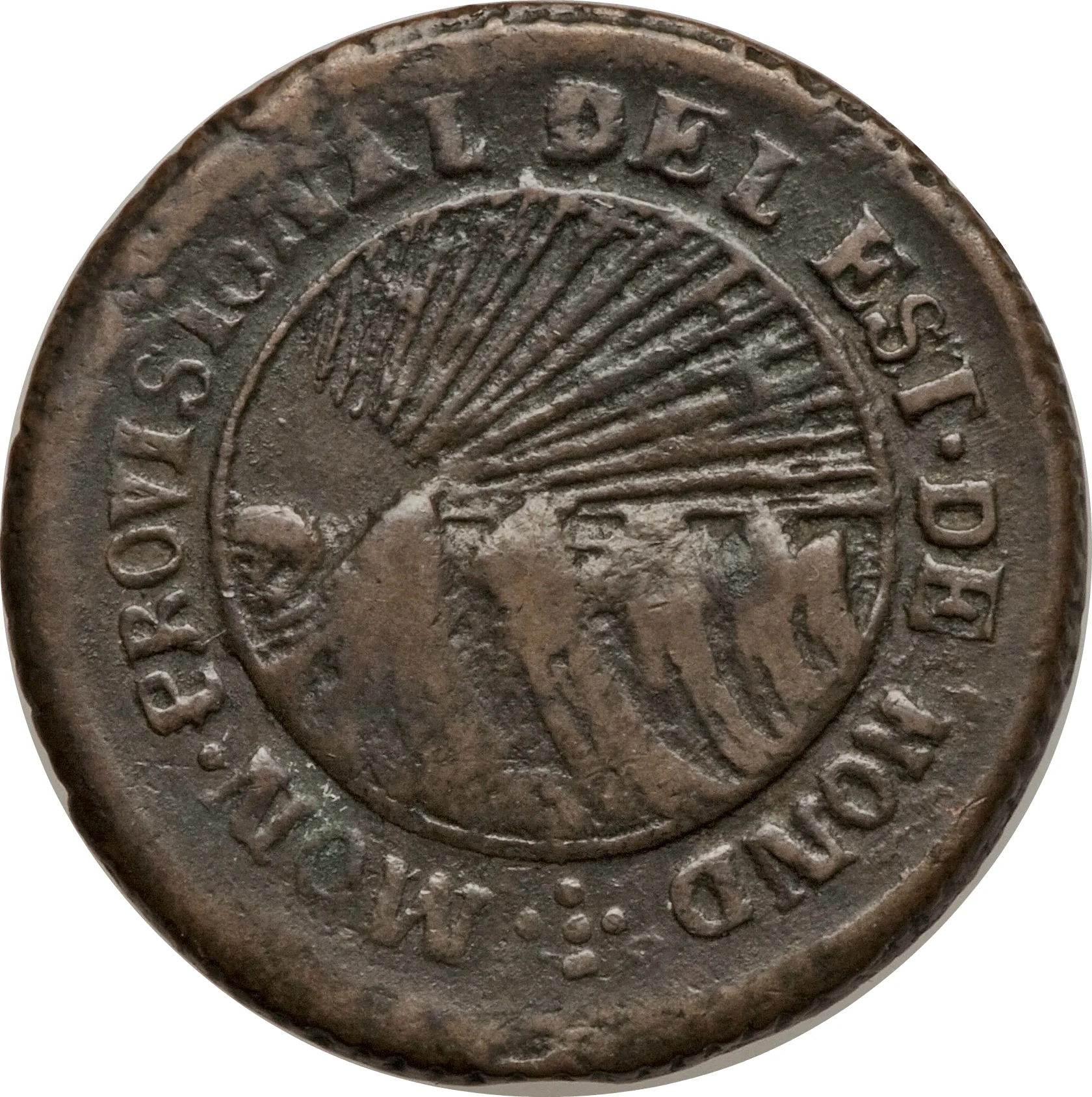
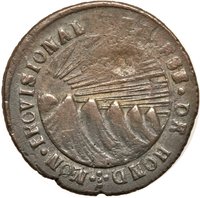
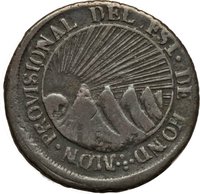
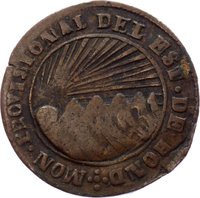
Obverse
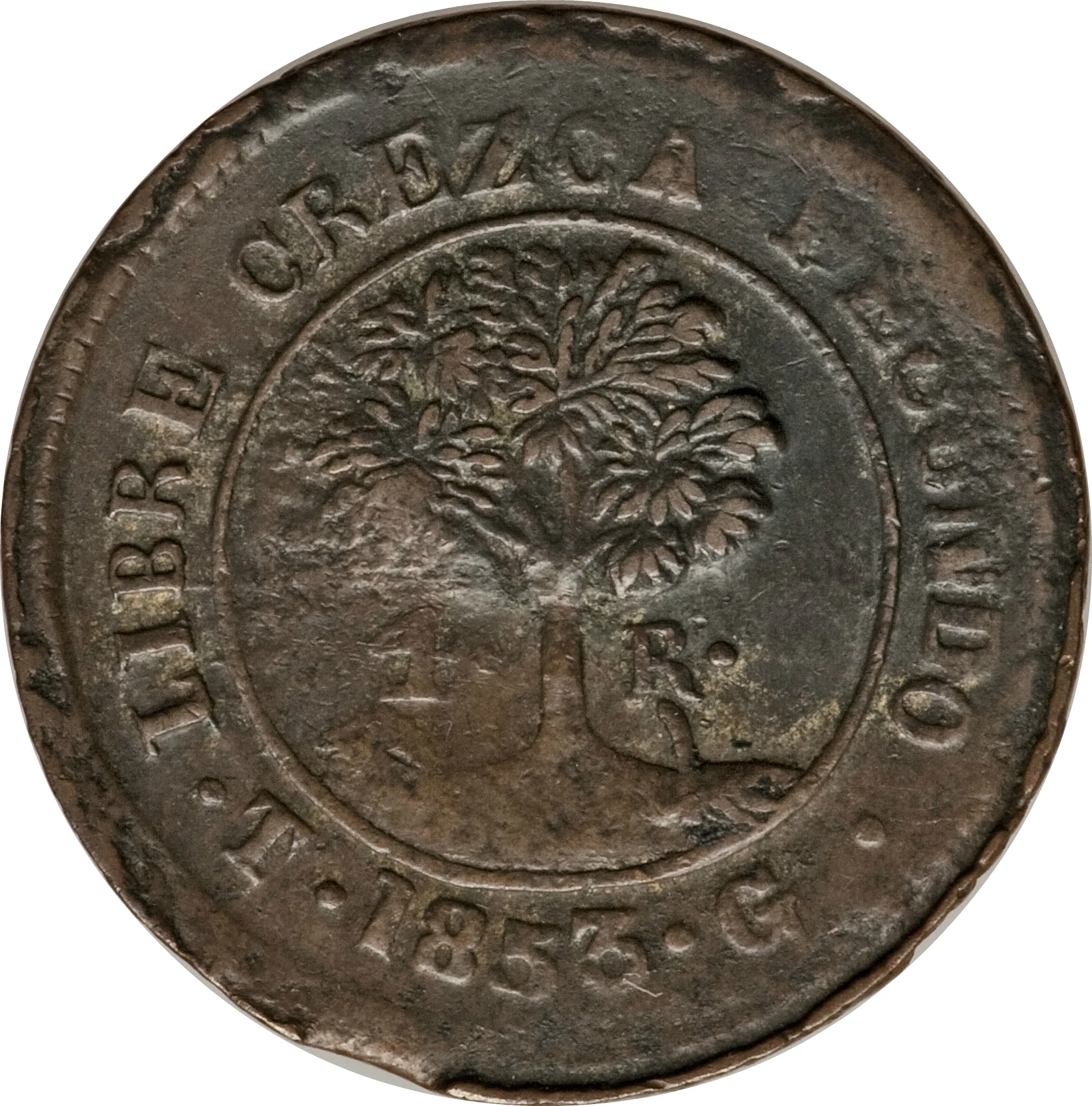
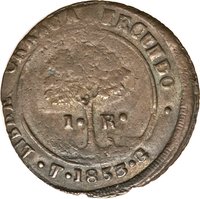
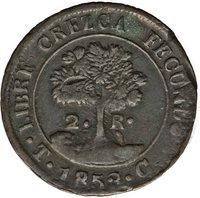
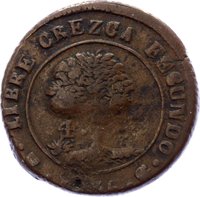
Reverse
Edge
Reeded
Mints
| Name | Mark |
|---|---|
| Casa Nacional de la Moneda | T |
Historical background
In 1853, Honduras operated within a complex and fragmented monetary system, a legacy of its colonial past and the turbulent early decades of independence. The official currency was the Honduran Peso, theoretically divided into 8 Reales, but the reality was a chaotic circulation of diverse coins. Spanish colonial pieces, coins from other Central American republics, and currencies from Peru, Mexico, and Bolivia all circulated simultaneously, their values fluctuating based on metal content and wear. This lack of a standardized, nationally controlled coinage severely hampered domestic commerce and facilitated fraud, as clipping and counterfeiting were common problems.
The situation was further complicated by the government's chronic fiscal instability. Honduras, like its neighbors, suffered from empty treasuries, reliance on customs duties, and political instability that discouraged foreign investment and hindered economic planning. There were no formal banking institutions, and the state lacked the resources to mint its own currency in sufficient quantity to unify the system. Consequently, transactions, especially larger commercial ones, often relied on a cumbersome system of weighing and assaying foreign silver coins to determine their intrinsic value rather than their face value.
This monetary disarray reflected and exacerbated the nation's broader economic challenges in the mid-19th century. The economy was predominantly agrarian, centered on precious metal mining (primarily silver) and agricultural exports like tobacco and cattle. The unreliable currency made tax collection inefficient and complicated trade, both internally and with foreign partners, particularly British merchants who were increasingly influential in the region. Thus, in 1853, Honduras's currency situation was not merely a financial issue but a significant obstacle to national consolidation and economic development, a problem that would persist for decades before any meaningful reform.
The situation was further complicated by the government's chronic fiscal instability. Honduras, like its neighbors, suffered from empty treasuries, reliance on customs duties, and political instability that discouraged foreign investment and hindered economic planning. There were no formal banking institutions, and the state lacked the resources to mint its own currency in sufficient quantity to unify the system. Consequently, transactions, especially larger commercial ones, often relied on a cumbersome system of weighing and assaying foreign silver coins to determine their intrinsic value rather than their face value.
This monetary disarray reflected and exacerbated the nation's broader economic challenges in the mid-19th century. The economy was predominantly agrarian, centered on precious metal mining (primarily silver) and agricultural exports like tobacco and cattle. The unreliable currency made tax collection inefficient and complicated trade, both internally and with foreign partners, particularly British merchants who were increasingly influential in the region. Thus, in 1853, Honduras's currency situation was not merely a financial issue but a significant obstacle to national consolidation and economic development, a problem that would persist for decades before any meaningful reform.
💎 Extremely Rare