

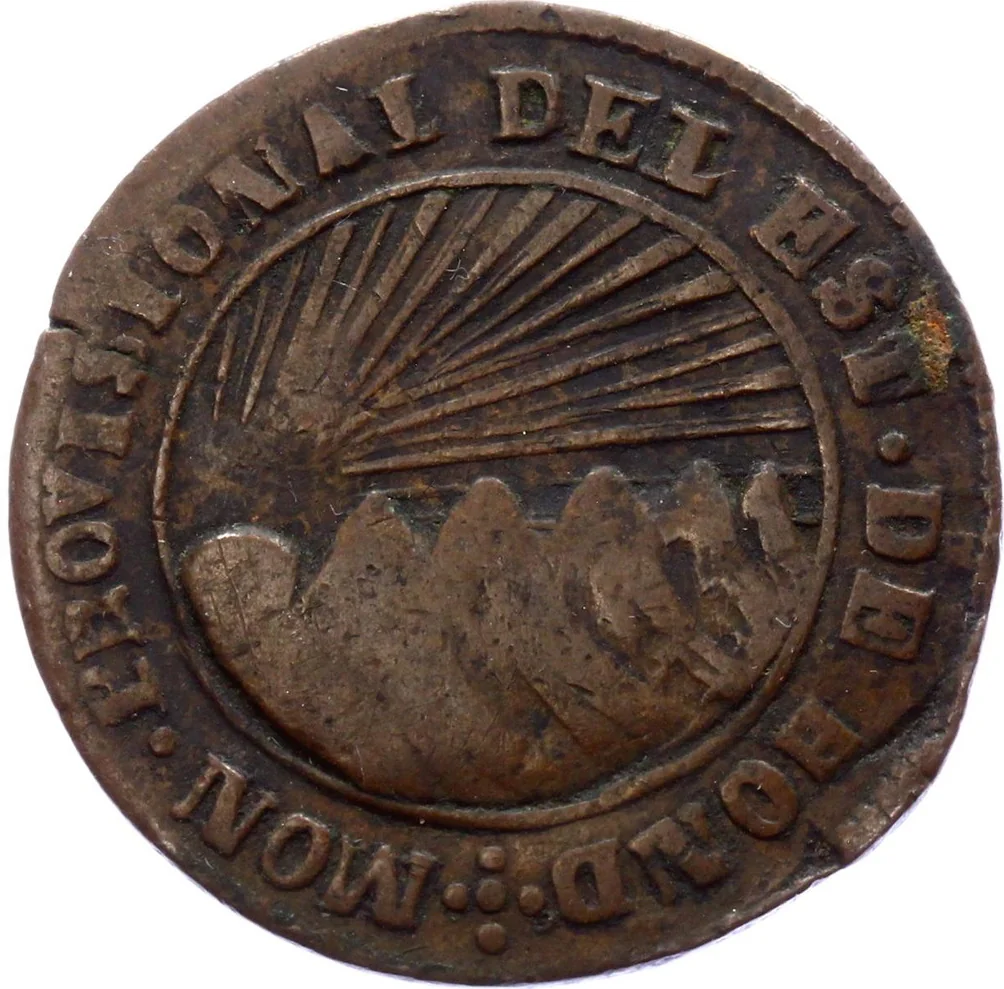
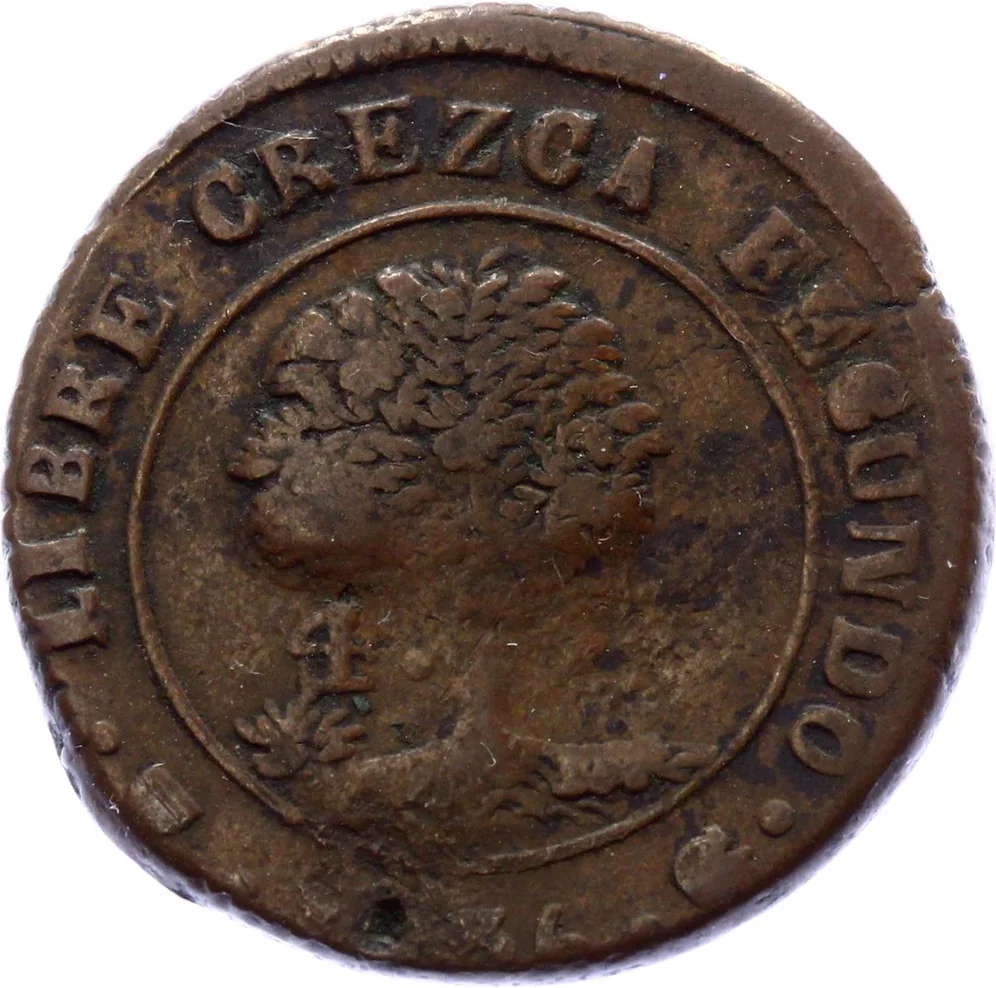
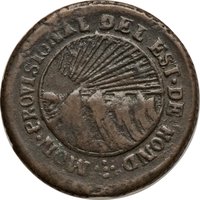
Obverse
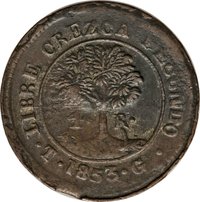
Reverse
Edge
Mints
| Name | Mark |
|---|---|
| Casa Nacional de la Moneda | T |
Historical background
In 1856, Honduras, like much of Central America, operated within a complex and chaotic monetary environment following independence from Spain. The fledgling republic lacked a unified national currency, leading to a circulation dominated by a confusing mix of foreign coins. Spanish colonial reales, Peruvian pesos, Bolivian coins, and even French francs and British sovereigns all circulated simultaneously, their values fluctuating based on metal content and local trust. This fragmentation severely hampered domestic trade and state finances, as the government struggled to collect taxes and conduct transactions with a standardized measure of value.
The period was also marked by extreme political instability, including the ongoing National War against William Walker's filibusters from Nicaragua, which drained the Honduran treasury. To finance military campaigns and cover fiscal deficits, successive governments resorted to debasing the coinage in their control. They frequently reduced the silver content in coins minted in Tegucigalpa or simply overstruck foreign coins with Honduran insignias at a higher nominal value, a practice that led to inflation and further eroded public confidence in the currency.
Consequently, the primary monetary reality in Honduras in 1856 was one of uncertainty and inconsistency. Transactions, especially larger commercial ones, often relied on weighing silver bullion rather than counting coins, and the value of money could vary significantly from one town to another. This dysfunctional system underscored the weak authority of the central state and acted as a major brake on economic development, setting the stage for future 19th-century efforts to create a stable and exclusive national currency.
The period was also marked by extreme political instability, including the ongoing National War against William Walker's filibusters from Nicaragua, which drained the Honduran treasury. To finance military campaigns and cover fiscal deficits, successive governments resorted to debasing the coinage in their control. They frequently reduced the silver content in coins minted in Tegucigalpa or simply overstruck foreign coins with Honduran insignias at a higher nominal value, a practice that led to inflation and further eroded public confidence in the currency.
Consequently, the primary monetary reality in Honduras in 1856 was one of uncertainty and inconsistency. Transactions, especially larger commercial ones, often relied on weighing silver bullion rather than counting coins, and the value of money could vary significantly from one town to another. This dysfunctional system underscored the weak authority of the central state and acted as a major brake on economic development, setting the stage for future 19th-century efforts to create a stable and exclusive national currency.
💎 Extremely Rare