

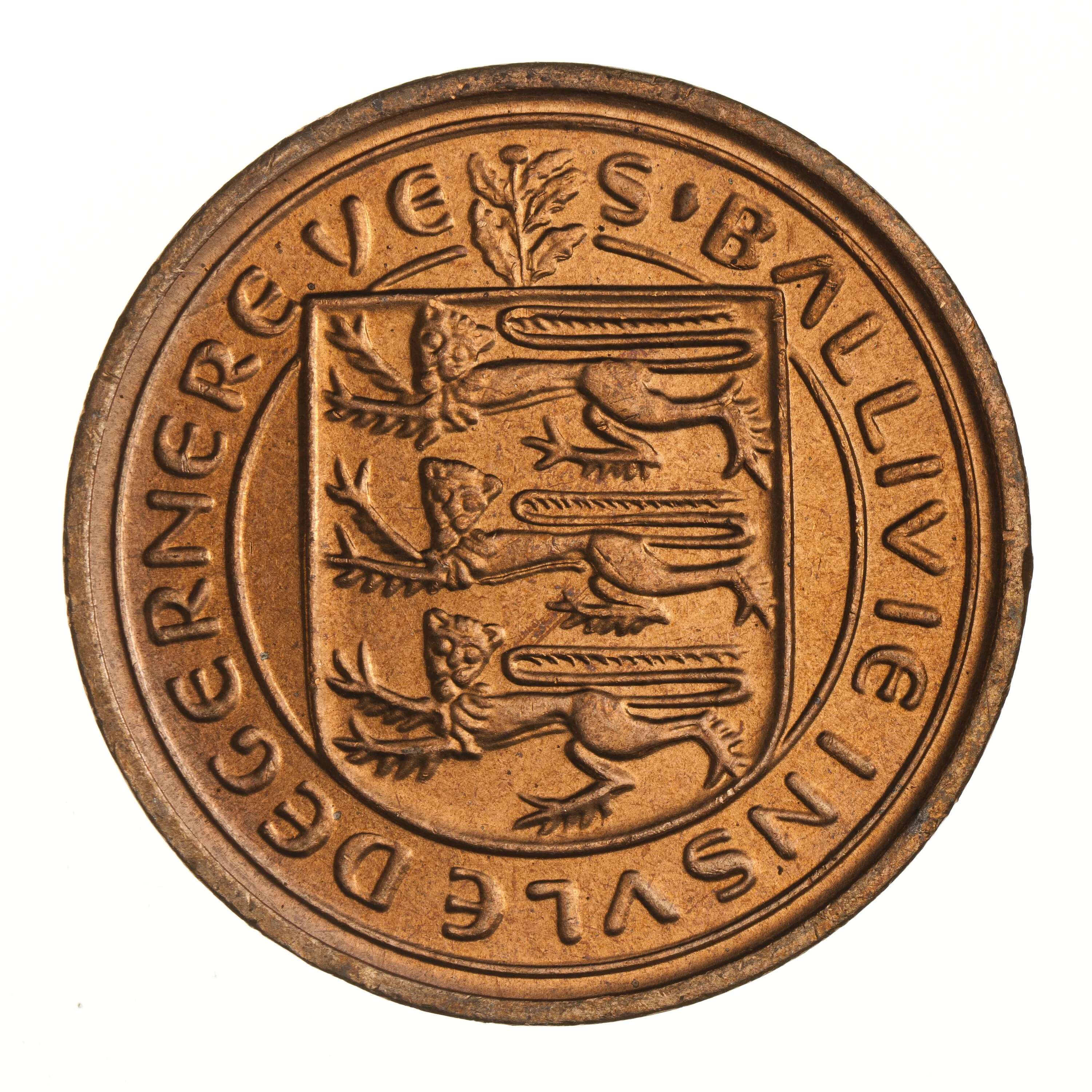
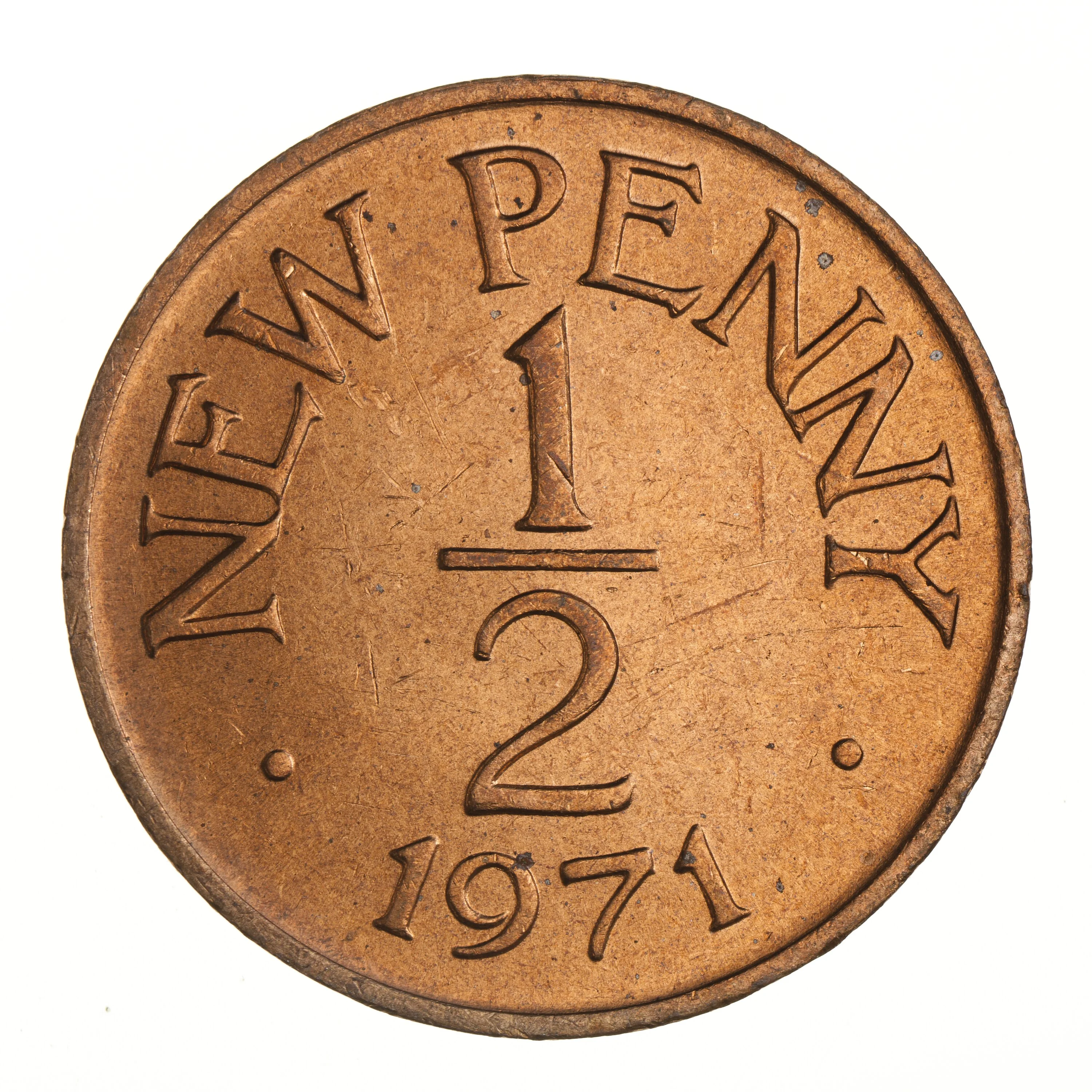
½ penny – Guernsey
Add to wishlist
Context
Year: 1971
Country: British Crown dependencies
Issuer: Guernsey
Ruler: Elizabeth II
Currency:
(since 1971)
Demonetized: Yes
Total mintage: 2,076,000
Material
References
KM: #
Numista: #6902
Value
Exchange value: 0.005 GGP
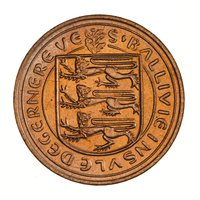
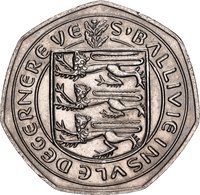
Obverse
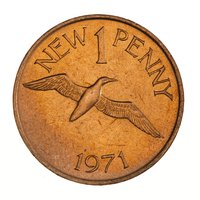
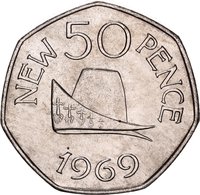
Reverse
Edge
Plain
Mints
| Name | Mark |
|---|---|
| Royal Mint | — |
Mintings
| Year | Mint Mark | Mintage | Quality | Collection |
|---|---|---|---|---|
| 1971 | — | 2,066,000 | ||
| 1971 | — | 10,000 | Proof |
Historical background
In 1971, Guernsey's currency situation was defined by its unique constitutional position as a British Crown Dependency, which granted it autonomy over its monetary system. While the UK was transitioning to a decimal currency in February of that year, Guernsey had already issued its own decimal banknotes and coins since 1966. These were pegged at par with sterling, meaning the Guernsey pound was not an independent currency but a local issue of sterling, fully backed by pound-for-pound reserves held in London. This arrangement ensured stability and free interchangeability with Bank of England notes, which also circulated freely on the island.
The island's economy and banking sector relied heavily on this fixed link to sterling, which provided credibility and facilitated trade. However, 1971 was a year of significant monetary change in the UK beyond decimalisation. The Bretton Woods system collapsed, leading to the suspension of the pound's fixed exchange rate to the US dollar, and the UK moved towards a more volatile floating exchange regime. As a consequence, Guernsey's currency was indirectly affected; any devaluation or economic pressures on sterling would automatically impact the value of Guernsey's own issues, as the island had no independent monetary policy.
Thus, in 1971, Guernsey maintained a stable and pragmatic dual circulation system, with its own distinct decimal currency operating seamlessly alongside UK notes. This system provided day-to-day convenience and a symbol of local identity, while the foundational peg to sterling tied the island's financial fate to the wider economic turbulence unfolding in the United Kingdom and the global monetary system.
The island's economy and banking sector relied heavily on this fixed link to sterling, which provided credibility and facilitated trade. However, 1971 was a year of significant monetary change in the UK beyond decimalisation. The Bretton Woods system collapsed, leading to the suspension of the pound's fixed exchange rate to the US dollar, and the UK moved towards a more volatile floating exchange regime. As a consequence, Guernsey's currency was indirectly affected; any devaluation or economic pressures on sterling would automatically impact the value of Guernsey's own issues, as the island had no independent monetary policy.
Thus, in 1971, Guernsey maintained a stable and pragmatic dual circulation system, with its own distinct decimal currency operating seamlessly alongside UK notes. This system provided day-to-day convenience and a symbol of local identity, while the foundational peg to sterling tied the island's financial fate to the wider economic turbulence unfolding in the United Kingdom and the global monetary system.
🌱 Very Common