

10 rials – Iran
Add to wishlist
Iran
Context
Material
References
KM: #
Numista: #6885
Value
Exchange value: 10 IRR
Bullion value: $24.10
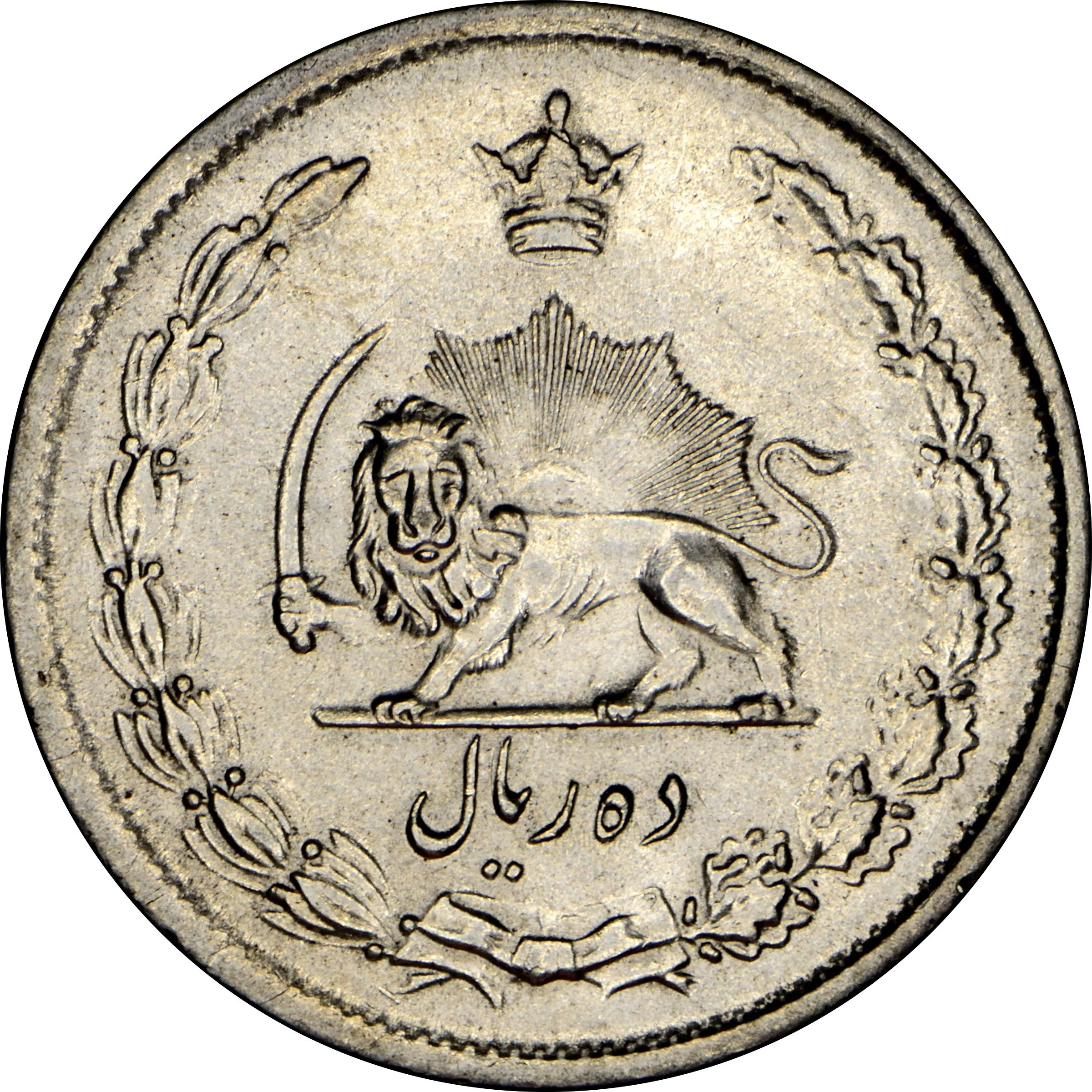
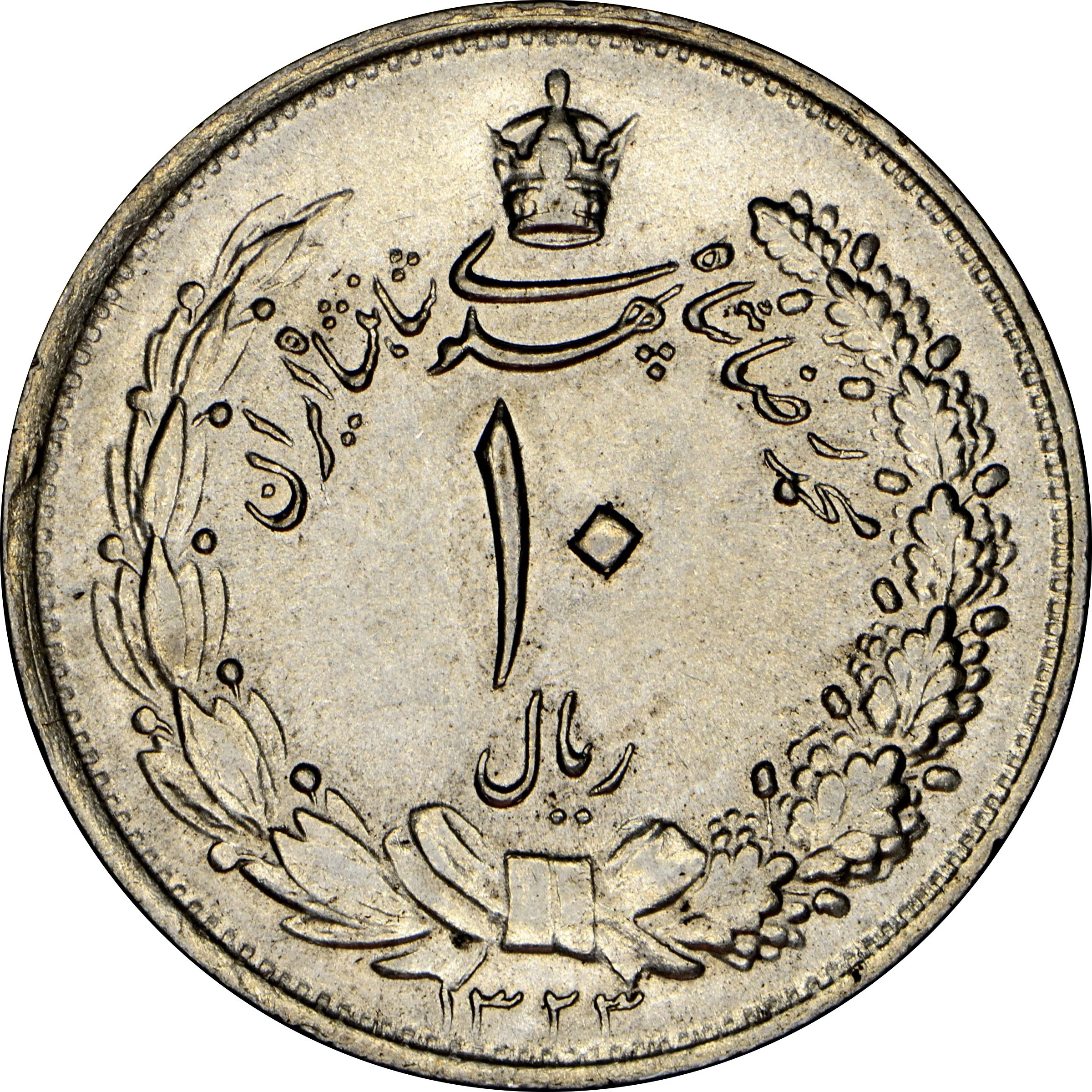
Obverse
Reverse
Description:
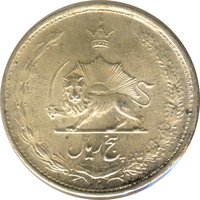
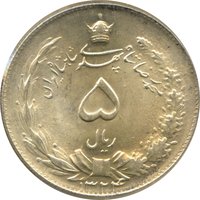
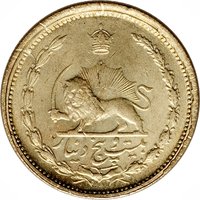
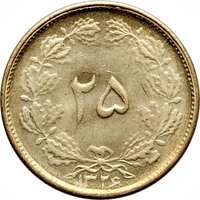
Value crowned by legend.
Inscription:
محمدرضا شاه پهــــلوی شاهنشاه ایران
۱۰
ریال
۱۳۲۳
۱۰
ریال
۱۳۲۳
Translation:
Mohammad Reza Shah Pahlavi, Shahanshah of Iran
10
Rials
1323
10
Rials
1323
Language: Persian
Edge
Reeded
Mintings
| Year | Mint Mark | Mintage | Quality | Collection |
|---|---|---|---|---|
| 1944 | — | — | ||
| 1945 | — | — | ||
| 1946 | — | — | ||
| 1947 | — | — |
Historical background
In 1944, Iran’s currency situation was a complex reflection of foreign occupation, wartime pressures, and fragile state authority. The country was under the joint Allied military occupation of British, Soviet, and American forces since 1941, a strategic necessity for the Allied war effort that severely compromised Iranian sovereignty. This occupation disrupted the national economy and placed immense strain on the Iranian rial. The primary issuers of currency were the state-owned Bank Melli Iran and, critically, the Allied forces themselves, who printed and circulated their own occupation notes (so-called "Allied military currency") to fund their local expenses. This created a dual monetary system that undermined government control and fueled inflation.
Economically, the country was grappling with severe shortages, a black market, and rampant inflation, estimated at over 300% during the war years. The occupation forces' demand for goods and services, coupled with global wartime disruptions to trade, led to scarcity of essential commodities. The influx of occupation currency, not fully backed by Iran's reserves, increased the money supply dramatically while production stagnated. Consequently, the real value of the rial plummeted, and prices soared, causing significant hardship for the civilian population.
Politically, the currency chaos symbolized the weakness of the government under Reza Shah's young successor, Mohammad Reza Pahlavi. The central monetary authority had little power to implement effective policy while the country was partitioned into Allied zones of influence. The situation set the stage for post-war economic crises and became a potent nationalist grievance. The urgent need for monetary reform and reassertion of financial sovereignty would become a major focus for the Iranian government immediately after the war's end, leading to the establishment of the Central Bank of Iran in 1960 as a long-term response to this period of vulnerability.
Economically, the country was grappling with severe shortages, a black market, and rampant inflation, estimated at over 300% during the war years. The occupation forces' demand for goods and services, coupled with global wartime disruptions to trade, led to scarcity of essential commodities. The influx of occupation currency, not fully backed by Iran's reserves, increased the money supply dramatically while production stagnated. Consequently, the real value of the rial plummeted, and prices soared, causing significant hardship for the civilian population.
Politically, the currency chaos symbolized the weakness of the government under Reza Shah's young successor, Mohammad Reza Pahlavi. The central monetary authority had little power to implement effective policy while the country was partitioned into Allied zones of influence. The situation set the stage for post-war economic crises and became a potent nationalist grievance. The urgent need for monetary reform and reassertion of financial sovereignty would become a major focus for the Iranian government immediately after the war's end, leading to the establishment of the Central Bank of Iran in 1960 as a long-term response to this period of vulnerability.
🌱 Fairly Common