

5 rials – Iran
Add to wishlist
Iran
Context
Years: 1943–1950
Issuer: Iran
Ruler: Mohammad Reza
Currency:
(since 1932)
Demonetized: Yes
Total mintage: 1,179,000
Material
References
KM: #
Numista: #19686
Value
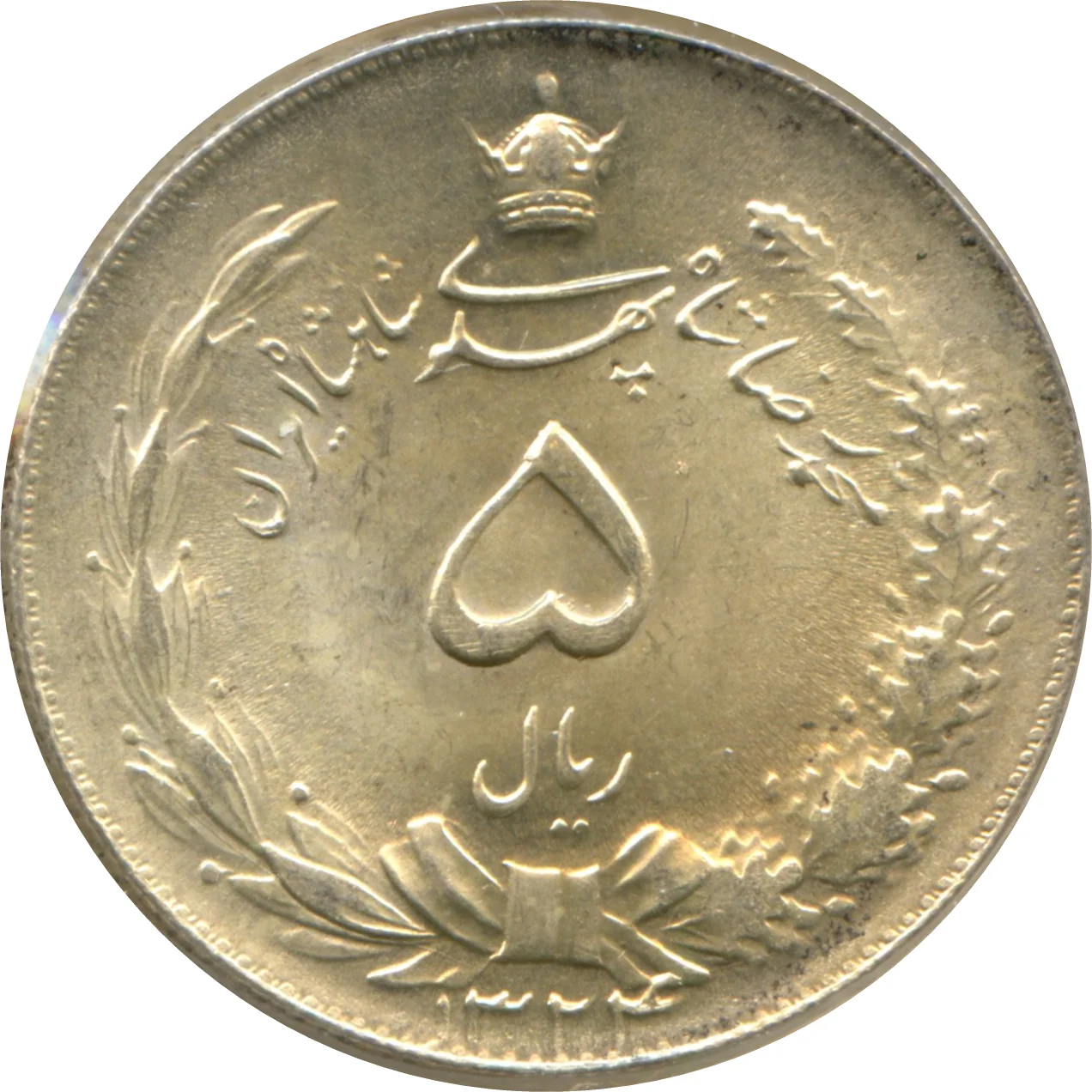
Exchange value: 5 IRR
Bullion value: $11.66
Obverse
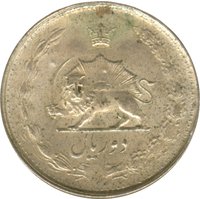
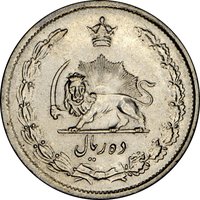
Description:
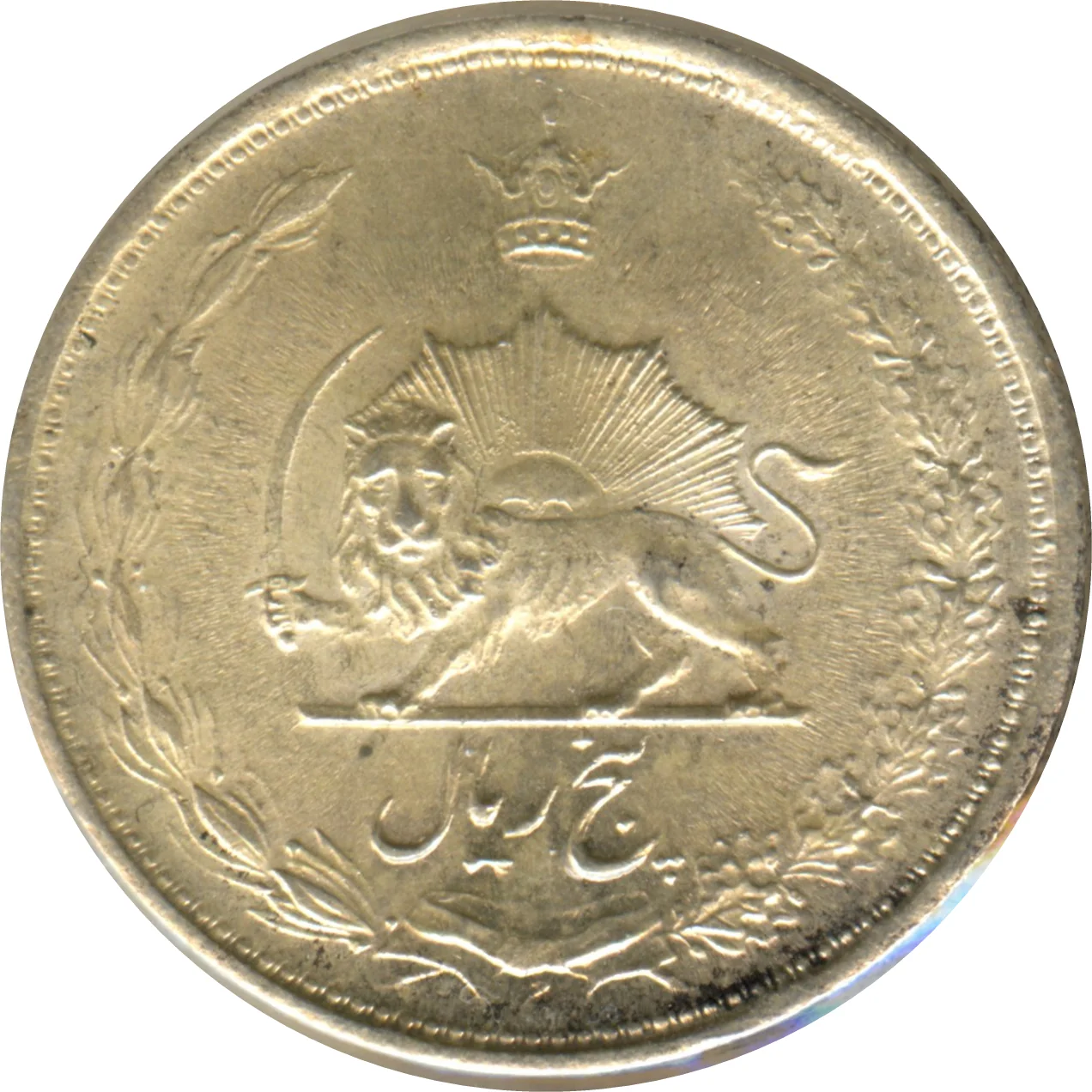
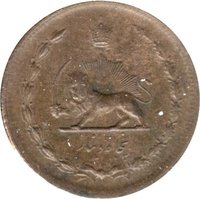
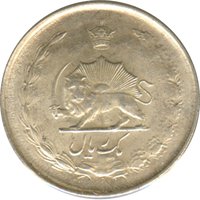
Lion with sword in crowned wreath.
Inscription:
پنج ريال
Translation:
Five Riyals
Language: Persian
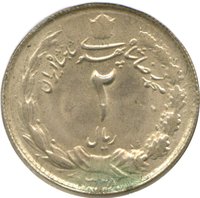
Reverse
Edge
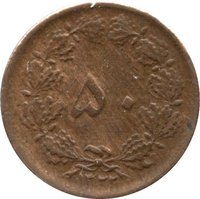
Reeded
Mintings
| Year | Mint Mark | Mintage | Quality | Collection |
|---|---|---|---|---|
| 1943 | — | — | ||
| 1944 | — | — | ||
| 1945 | — | — | ||
| 1946 | — | — | ||
| 1947 | — | 61,000 | ||
| 1948 | — | 836,000 | ||
| 1949 | — | 282,000 | ||
| 1950 | — | — |
Historical background
In 1943, Iran's currency situation was defined by foreign occupation and wartime pressures. Following the 1941 Allied invasion to secure supply routes to the Soviet Union, the country was effectively divided into British and Soviet zones of control. This military presence, coupled with the exile of Reza Shah, placed immense strain on Iran's economy. The occupying forces issued their own currency—British forces issued "British Military Treasury Notes" in rials, while the Soviets circulated large quantities of rubles—flooding the market and creating a chaotic multi-currency environment that severely undermined the authority of the Iranian rial.
The primary economic consequence was rampant inflation and a severe depreciation of the rial. The Allies paid for local supplies and expenses with these occupation currencies, which were often printed without backing, leading to a massive increase in the money supply. This, combined with wartime shortages of essential goods, caused the cost of living to skyrocket. The Iranian government, led by Prime Minister Ahmad Qavam, had limited sovereignty to implement effective monetary policy, and the state's inability to control its own currency circulation further eroded public confidence and fueled a thriving black market.
Despite these acute challenges, the currency crisis of 1943 occurred within a specific diplomatic framework. The Tripartite Treaty of Alliance (1942) between Iran, the UK, and the USSR obligated the Allies to respect Iran's economic independence and provide assistance to stabilize its currency. While these promises were only partially fulfilled, they set the stage for post-war negotiations. The immediate situation remained dire, but the legal and diplomatic recognition of Iran's rights during the 1943 Tehran Conference provided a foundation for future efforts to restore monetary sovereignty after the war's end.
The primary economic consequence was rampant inflation and a severe depreciation of the rial. The Allies paid for local supplies and expenses with these occupation currencies, which were often printed without backing, leading to a massive increase in the money supply. This, combined with wartime shortages of essential goods, caused the cost of living to skyrocket. The Iranian government, led by Prime Minister Ahmad Qavam, had limited sovereignty to implement effective monetary policy, and the state's inability to control its own currency circulation further eroded public confidence and fueled a thriving black market.
Despite these acute challenges, the currency crisis of 1943 occurred within a specific diplomatic framework. The Tripartite Treaty of Alliance (1942) between Iran, the UK, and the USSR obligated the Allies to respect Iran's economic independence and provide assistance to stabilize its currency. While these promises were only partially fulfilled, they set the stage for post-war negotiations. The immediate situation remained dire, but the legal and diplomatic recognition of Iran's rights during the 1943 Tehran Conference provided a foundation for future efforts to restore monetary sovereignty after the war's end.
Series: 1943 Iran circulation coins
🌱 Common