

400 réis – Brazil
Add to wishlist
Brazil
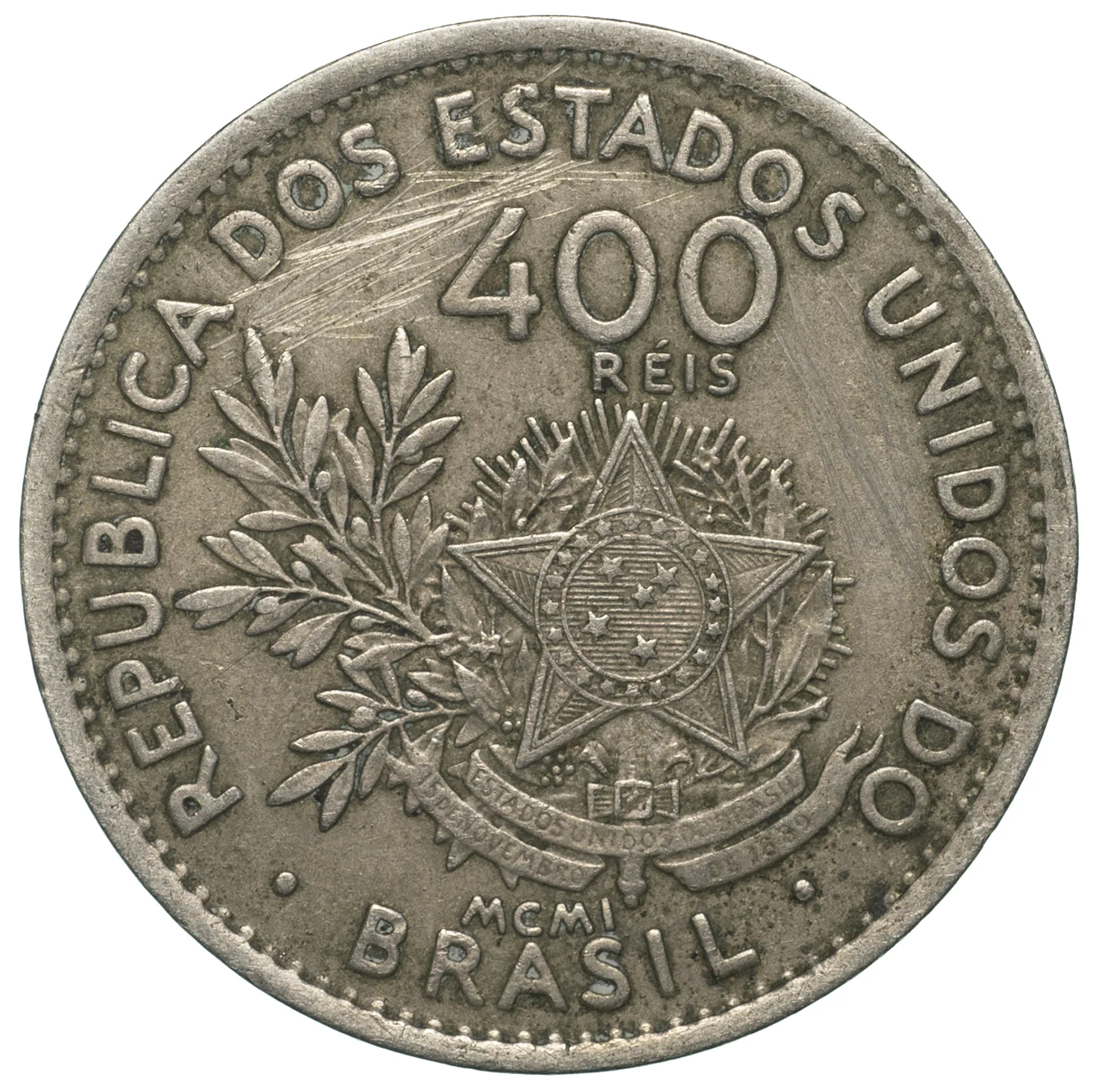
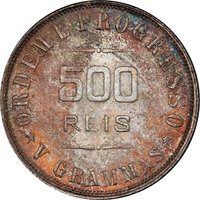
Obverse
Description:
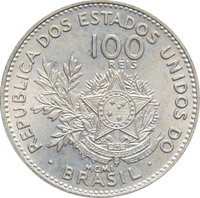
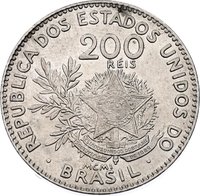
Heraldic emblem.
Inscription:
REPÚBLICA DOS ESTADOS UNIDOS DO
400
RÉIS
BRASIL
15 DE NOVEMBRO DE 1889
MCMI
· BRASIL ·
400
RÉIS
BRASIL
15 DE NOVEMBRO DE 1889
MCMI
· BRASIL ·
Translation:
UNITED STATES OF BRAZIL REPUBLIC
400
REIS
BRAZIL
15 NOVEMBER 1889
1901
· BRAZIL ·
400
REIS
BRAZIL
15 NOVEMBER 1889
1901
· BRAZIL ·
Script: Latin
Languages: Latin, Portuguese
Engraver: Ernest Paulin Tasset
Designer: Rodolfo Bernardelli
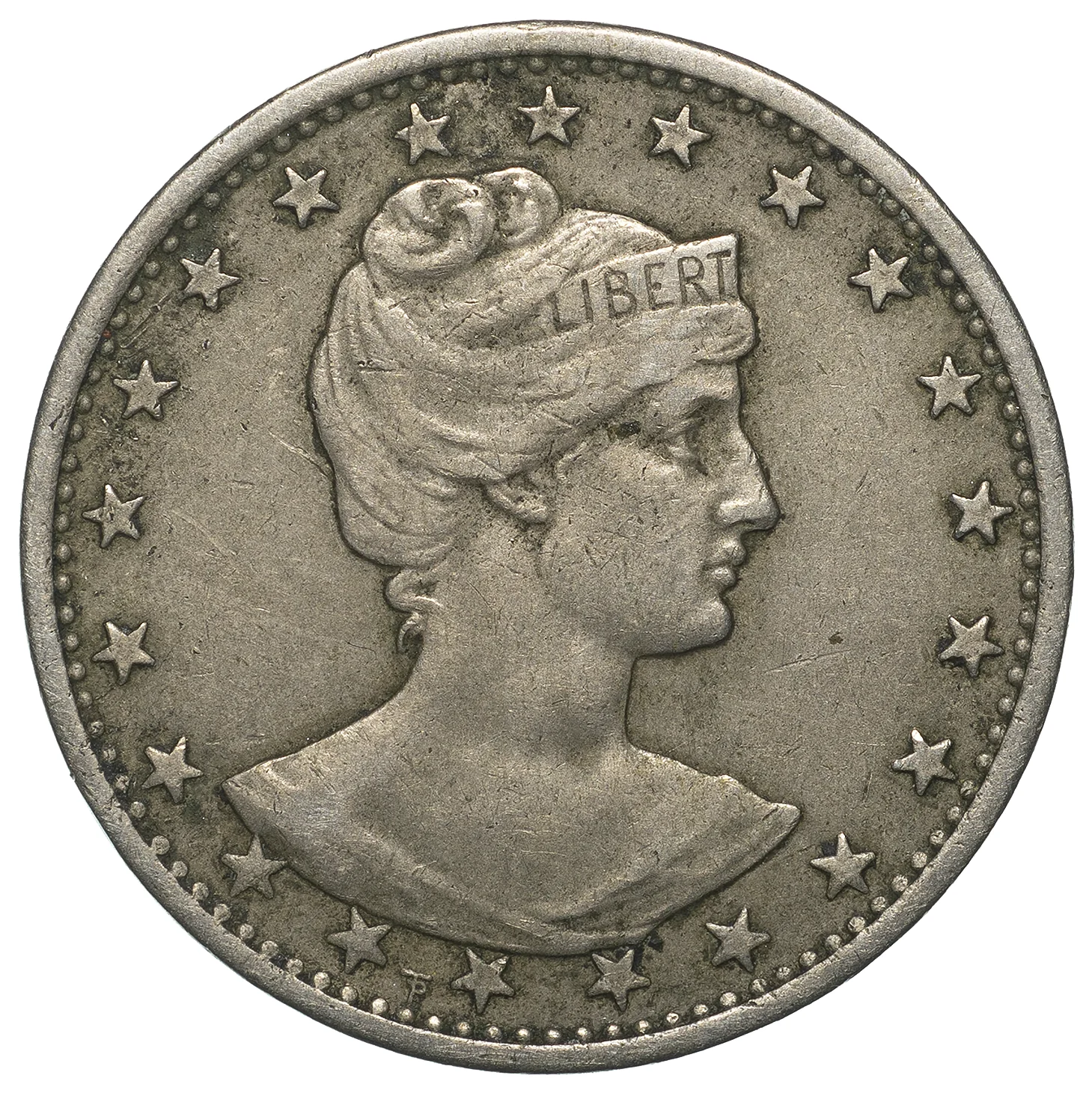
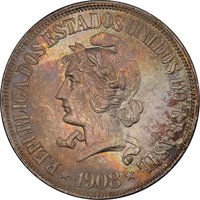
Reverse
Description:
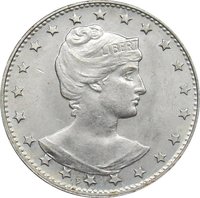
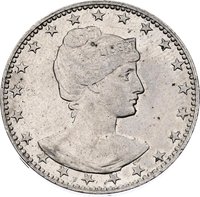
Liberty bust right, encircled by stars.
Inscription:
LIBERT
PT
PT
Translation:
LIBERTY
Script: Latin (cursive)
Engraver: Ernest Paulin Tasset
Designer: Rodolfo Bernardelli
Edge
Plain
Mintings
| Year | Mint Mark | Mintage | Quality | Collection |
|---|---|---|---|---|
| 1901 | — | 26,250,000 |
Historical background
In 1901, Brazil’s currency situation was defined by the ongoing consequences of the encilhamento ("saddling up")—a period of chaotic financial speculation and rampant money printing in the early 1890s following the establishment of the Republic. This policy, intended to fuel industrial growth, instead led to severe inflation, a collapse of the real's value, and a deep crisis of confidence in the nation's paper currency. By the turn of the century, the country operated under an inconvertible paper money standard, meaning the milréis (the currency unit) was not backed by or redeemable for gold, and its exchange rate against foreign currencies was highly volatile and generally depreciating.
Economically, this instability hampered foreign investment and complicated international trade, as merchants struggled with unpredictable costs. The federal government, under President Campos Sales (1898-1902), was primarily focused on a deflationary policy to stabilize the currency and address massive foreign debt. His administration’s cornerstone was the Funding Loan of 1898, which rescheduled Brazil's obligations with international creditors in exchange for a commitment to gradually withdraw and burn paper money from circulation, a process known as retração (contraction).
Thus, the currency landscape in 1901 was one of fragile transition. The immediate speculative frenzy was over, but the economy labored under the tight monetary policies designed to clean up the mess. The goal was to restore fiscal credibility and eventually return to metal-backed convertibility, a process that would remain fraught and incomplete for years to come. The period marked a cautious and painful effort to impose order on a financial system still reeling from the republic's early excesses.
Economically, this instability hampered foreign investment and complicated international trade, as merchants struggled with unpredictable costs. The federal government, under President Campos Sales (1898-1902), was primarily focused on a deflationary policy to stabilize the currency and address massive foreign debt. His administration’s cornerstone was the Funding Loan of 1898, which rescheduled Brazil's obligations with international creditors in exchange for a commitment to gradually withdraw and burn paper money from circulation, a process known as retração (contraction).
Thus, the currency landscape in 1901 was one of fragile transition. The immediate speculative frenzy was over, but the economy labored under the tight monetary policies designed to clean up the mess. The goal was to restore fiscal credibility and eventually return to metal-backed convertibility, a process that would remain fraught and incomplete for years to come. The period marked a cautious and painful effort to impose order on a financial system still reeling from the republic's early excesses.
🌱 Very Common