

5 cents – Belize
Add to wishlist
Belize
Context
Material
References
KM: #
Numista: #6769
Value
Exchange value: 0.05 BZD
Obverse
Description:
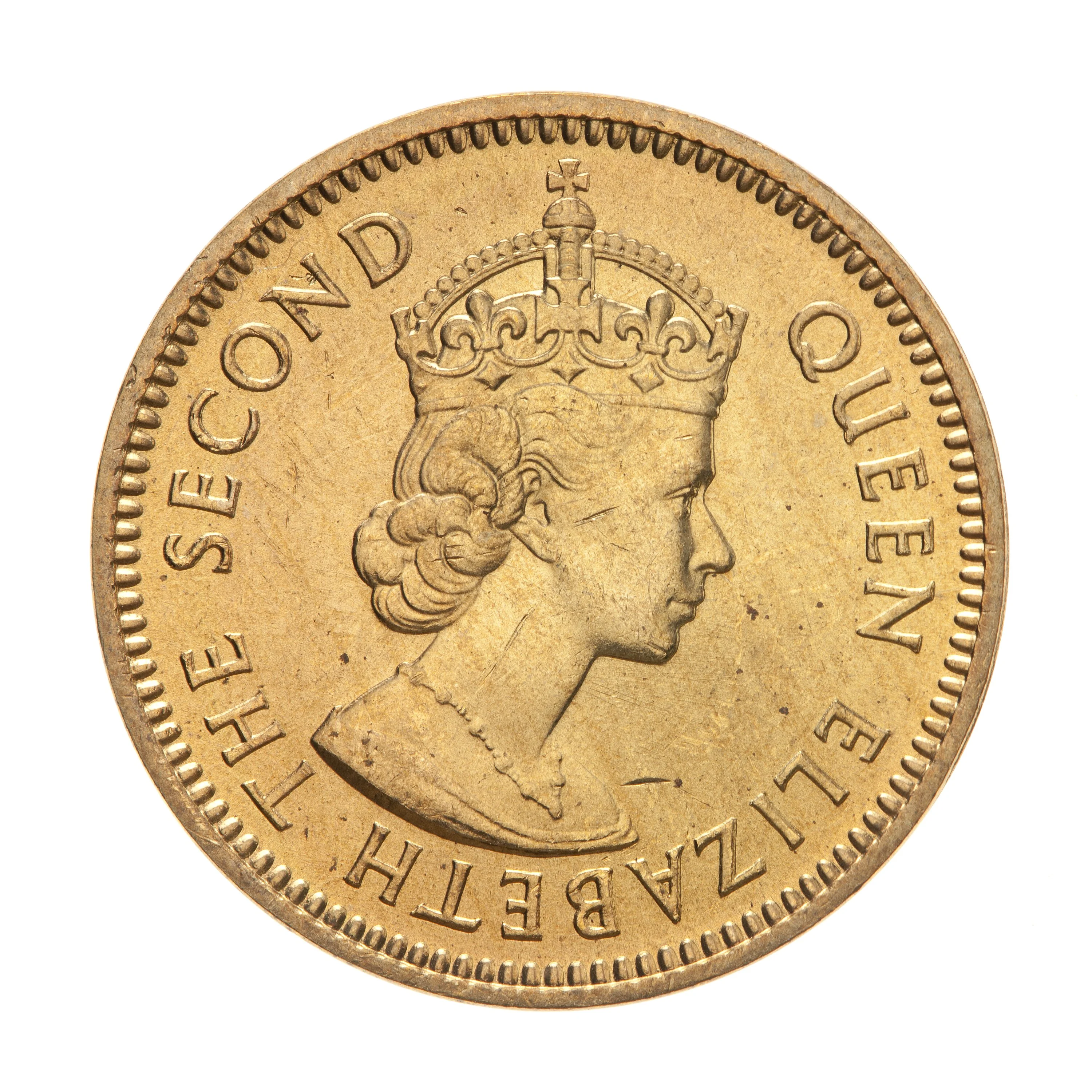
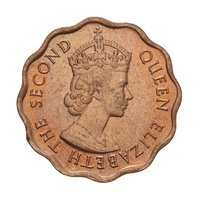
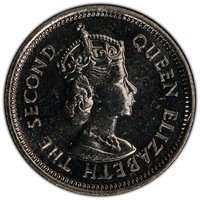
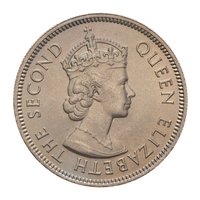
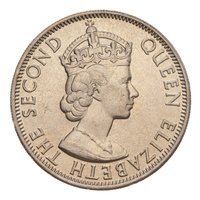
Queen Elizabeth II's right-facing bust, crowned, within a beaded circle.
Inscription:
QUEEN ELIZABETH THE SECOND
Script: Latin
Engraver: Cecil Thomas
Reverse
Description:
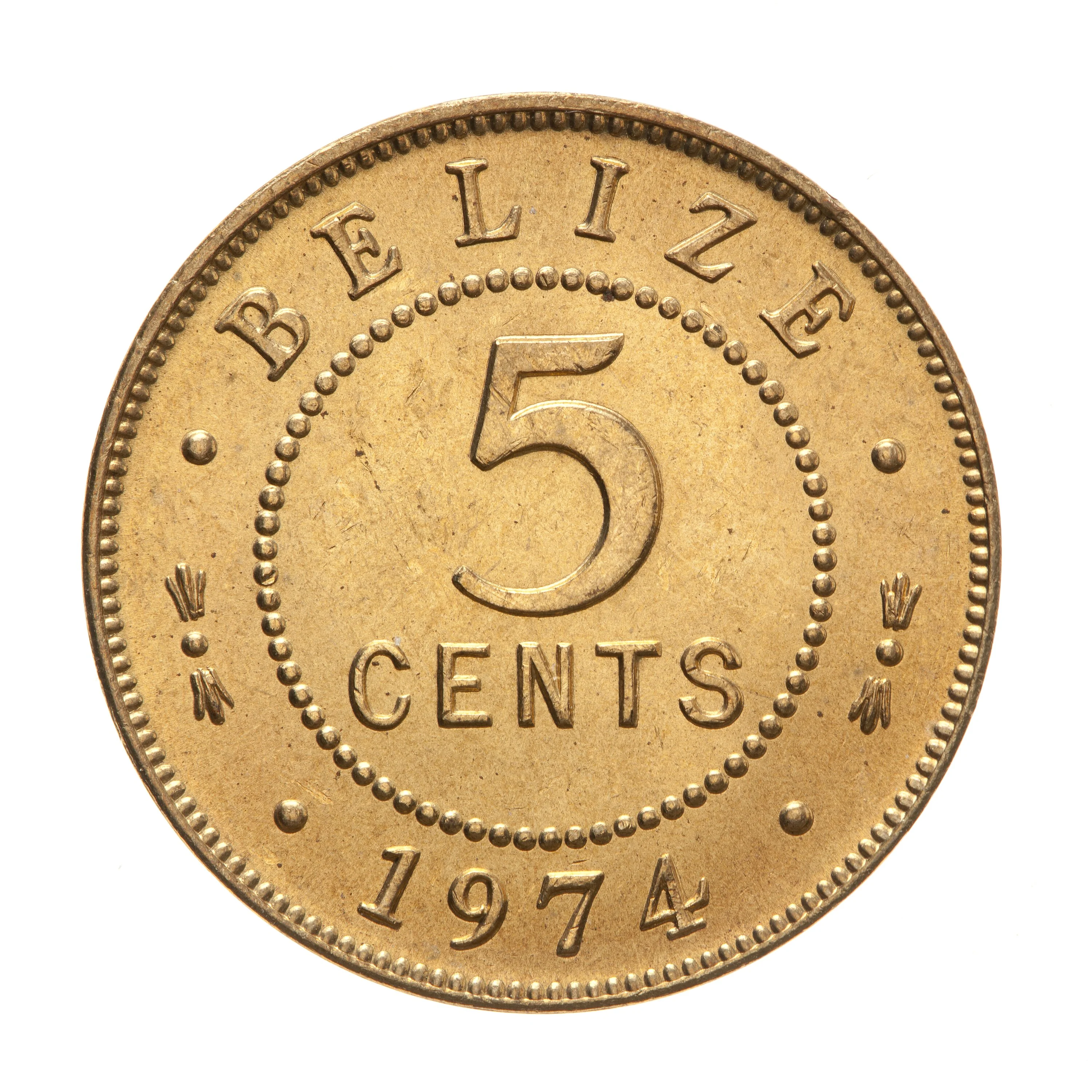
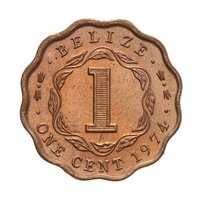
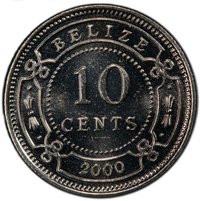
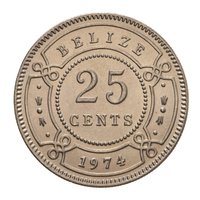
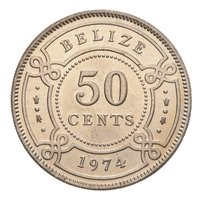
Beaded circle with value inside, date below. Rim encircled by beaded border.
Inscription:
· BELIZE ·
5
CENTS
· 1973 ·
5
CENTS
· 1973 ·
Script: Latin
Edge
Plain
Mints
| Name | Mark |
|---|---|
| Royal Mint | — |
Mintings
| Year | Mint Mark | Mintage | Quality | Collection |
|---|---|---|---|---|
| 1973 | — | 210,000 | ||
| 1974 | — | 210,000 | ||
| 1975 | — | 420,000 | ||
| 1976 | — | 570,000 | ||
| 1979 | — | — |
Historical background
In 1973, Belize was a British colony known as British Honduras and was on the cusp of a significant monetary transition. The official currency in circulation was the British Honduras dollar, which had been pegged to the British pound sterling since 1894. This peg, however, was becoming increasingly strained and anachronistic. The devaluation of the pound sterling in 1967 had exposed the vulnerability of this link, as it automatically devalued the colony's currency against its largest trading partner, the United States, creating economic instability and highlighting the need for a more regionally aligned monetary policy.
The pivotal shift came on June 1, 1973, when the country officially changed its name to Belize and simultaneously introduced a new currency: the Belize dollar (BZD). This was not merely a change in name but a fundamental realignment of the nation's economic anchor. The new currency abandoned the pound sterling peg and was instead fixed at an exchange rate of BZ$2 = US$1, a parity that has remained remarkably stable for over half a century. This move was a strategic decision to tie the economy more closely to the U.S. dollar, reflecting the dominant role of American trade and tourism, and to provide a stable monetary foundation as the country advanced toward full independence.
This currency reform was a clear assertion of growing self-determination and economic pragmatism. It occurred against a backdrop of ongoing constitutional talks with the United Kingdom and persistent territorial disputes with Guatemala. The establishment of the Belize dollar, managed by the newly formed Monetary Authority of Belize, provided a symbol of national identity and a tool for greater economic control. It successfully insulated the fledgling nation from further sterling fluctuations and laid a stable financial groundwork for the challenges of impending independence, which would be achieved in 1981.
The pivotal shift came on June 1, 1973, when the country officially changed its name to Belize and simultaneously introduced a new currency: the Belize dollar (BZD). This was not merely a change in name but a fundamental realignment of the nation's economic anchor. The new currency abandoned the pound sterling peg and was instead fixed at an exchange rate of BZ$2 = US$1, a parity that has remained remarkably stable for over half a century. This move was a strategic decision to tie the economy more closely to the U.S. dollar, reflecting the dominant role of American trade and tourism, and to provide a stable monetary foundation as the country advanced toward full independence.
This currency reform was a clear assertion of growing self-determination and economic pragmatism. It occurred against a backdrop of ongoing constitutional talks with the United Kingdom and persistent territorial disputes with Guatemala. The establishment of the Belize dollar, managed by the newly formed Monetary Authority of Belize, provided a symbol of national identity and a tool for greater economic control. It successfully insulated the fledgling nation from further sterling fluctuations and laid a stable financial groundwork for the challenges of impending independence, which would be achieved in 1981.
Series: 1973 series
🌱 Common