

10 cents – Belize
Add to wishlist
Belize
Context
Material
References
KM: #
Numista: #3211
Value
Exchange value: 0.10 BZD
Obverse
Description:
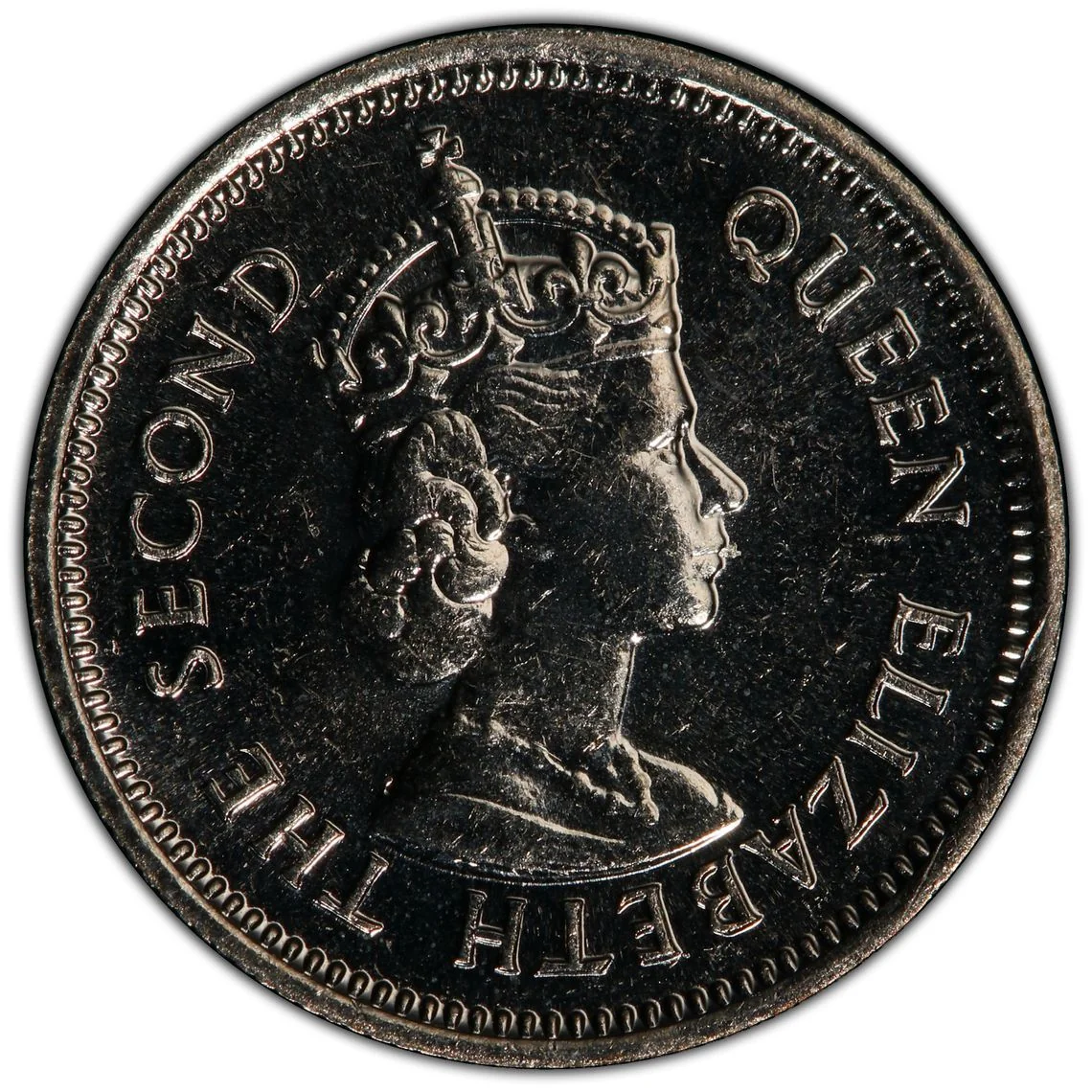
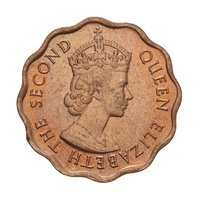
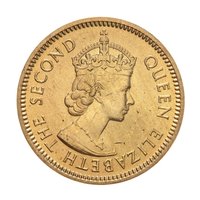
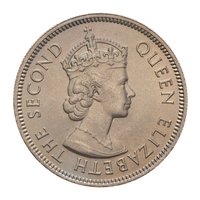
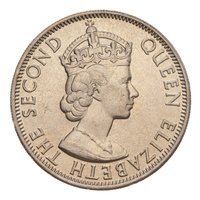
Queen Elizabeth II's right-facing bust, crowned, within a beaded circle.
Inscription:
QUEEN ELIZABETH THE SECOND
Script: Latin
Engraver: Cecil Thomas
Reverse
Description:
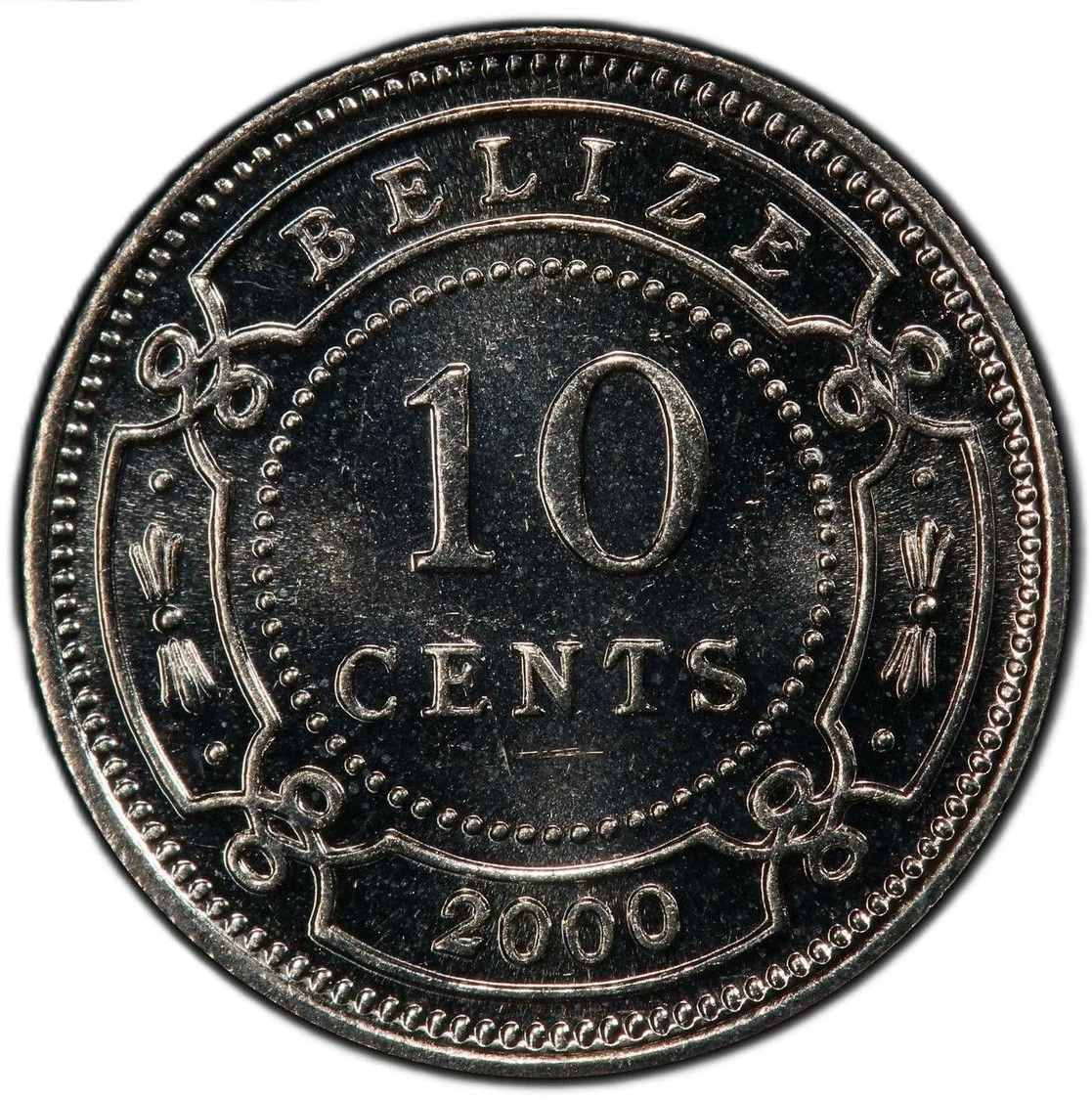
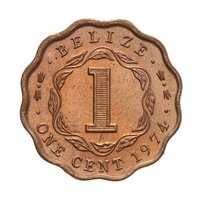
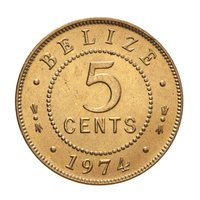
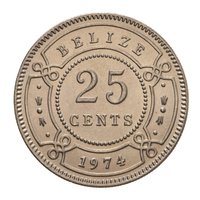
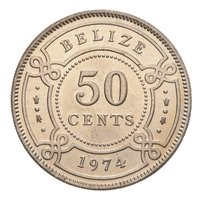
Denomination within circle, date below. Beaded rim.
Inscription:
BELIZE
10
CENTS
2000
10
CENTS
2000
Script: Latin
Edge
Reeded
Mints
| Name | Mark |
|---|---|
| Royal Mint | — |
Mintings
| Year | Mint Mark | Mintage | Quality | Collection |
|---|---|---|---|---|
| 1974 | — | 100,000 | ||
| 1975 | — | 200,000 | ||
| 1976 | — | 700,000 | ||
| 1979 | — | 800,000 | ||
| 1980 | — | — | ||
| 1981 | — | — | ||
| 1992 | — | — | ||
| 2000 | — | — | ||
| 2020 | — | — |
Historical background
In 1974, Belize was a British colony known as British Honduras, operating under a currency board system that pegged its monetary unit to the British pound sterling. The official currency was the British Honduras dollar (BHD), which had been introduced in 1885 and was fixed at a rate of four shillings two pence to one BHD, or BHD$4 = £1. This arrangement provided monetary stability and full convertibility, as the currency was backed by sterling reserves held in London, but it also meant the colony had no independent monetary policy, with its money supply directly tied to its balance of payments and foreign reserves.
The economic context of the early 1970s was one of transition and pressure. The country's traditional agricultural exports, like sugar and citrus, faced volatile global prices, while the costs of imports—particularly for machinery and manufactured goods—were rising. Furthermore, the devaluation of the British pound in 1967 and its subsequent floating in 1972 introduced uncertainty, prompting a regional shift in currency pegs across the Caribbean. Neighboring territories were moving to peg their currencies to the more dominant and stable US dollar, reflecting the growing economic influence of the United States in the region.
Consequently, 1974 was a pivotal year that set the stage for a major monetary reform. The government, led by Premier George Price, passed the Belize Dollar Act in December 1974. This legislation established a new decimalized currency, the Belize dollar (BZD), to replace the British Honduras dollar at par (1:1). Critically, the act severed the historic link to sterling and re-pegged the new currency to the US dollar at a fixed rate of BZD$2 = US$1, a parity that remains unchanged to this day. This move, which took full effect in 1975, was a strategic realignment towards Belize's largest trading partner and marked a significant step in the country's economic sovereignty on its path to independence, achieved in 1981.
The economic context of the early 1970s was one of transition and pressure. The country's traditional agricultural exports, like sugar and citrus, faced volatile global prices, while the costs of imports—particularly for machinery and manufactured goods—were rising. Furthermore, the devaluation of the British pound in 1967 and its subsequent floating in 1972 introduced uncertainty, prompting a regional shift in currency pegs across the Caribbean. Neighboring territories were moving to peg their currencies to the more dominant and stable US dollar, reflecting the growing economic influence of the United States in the region.
Consequently, 1974 was a pivotal year that set the stage for a major monetary reform. The government, led by Premier George Price, passed the Belize Dollar Act in December 1974. This legislation established a new decimalized currency, the Belize dollar (BZD), to replace the British Honduras dollar at par (1:1). Critically, the act severed the historic link to sterling and re-pegged the new currency to the US dollar at a fixed rate of BZD$2 = US$1, a parity that remains unchanged to this day. This move, which took full effect in 1975, was a strategic realignment towards Belize's largest trading partner and marked a significant step in the country's economic sovereignty on its path to independence, achieved in 1981.
Series: 1973 series
🌱 Very Common