

50 qapiks – Azerbaijan
Add to wishlist
Azerbaijan
Context
Years: 1992–1993
Issuer: Azerbaijan
Period:
(since 1991)
Currency:
(1992—2006)
Demonetization: 1 January 2006
Material
References
KM: #
Numista: #6683
Value
Exchange value: 0.50 AZM
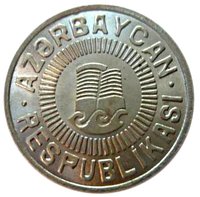
Obverse
Description:
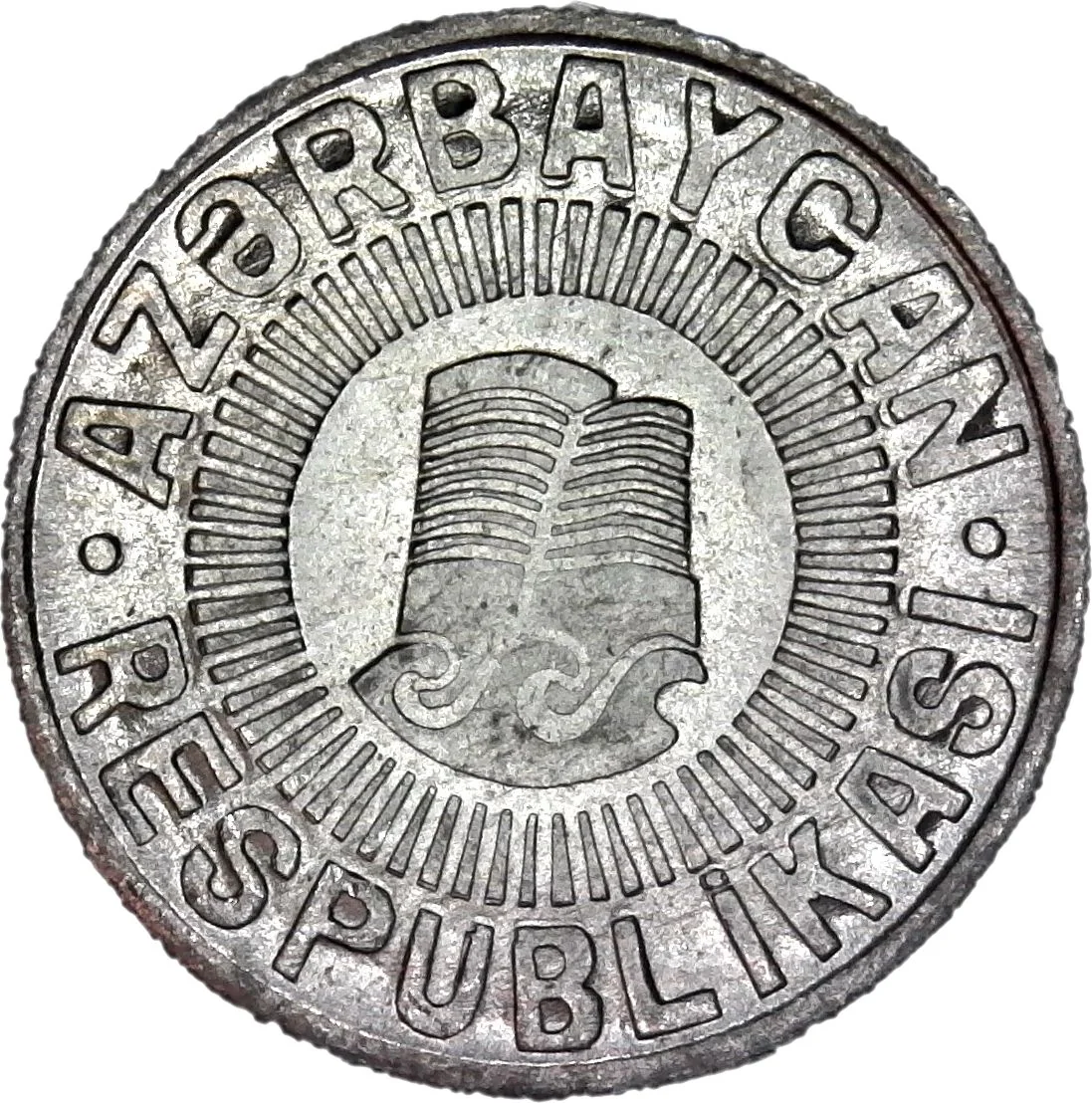
Baku's Maiden Tower (Qız Qalası).
Inscription:
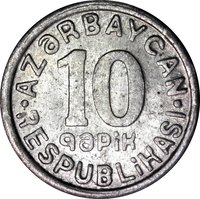
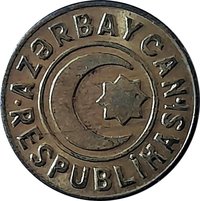
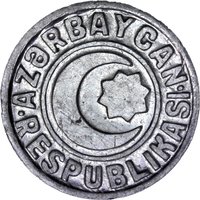
• AZƏRBAYCAN •
RESPUBLİKASI
RESPUBLİKASI
Translation:
AZERBAIJAN REPUBLIC
Script: Latin
Language: Azerbaijani
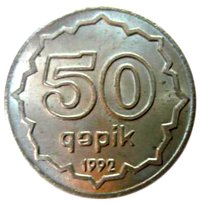
Reverse
Description:
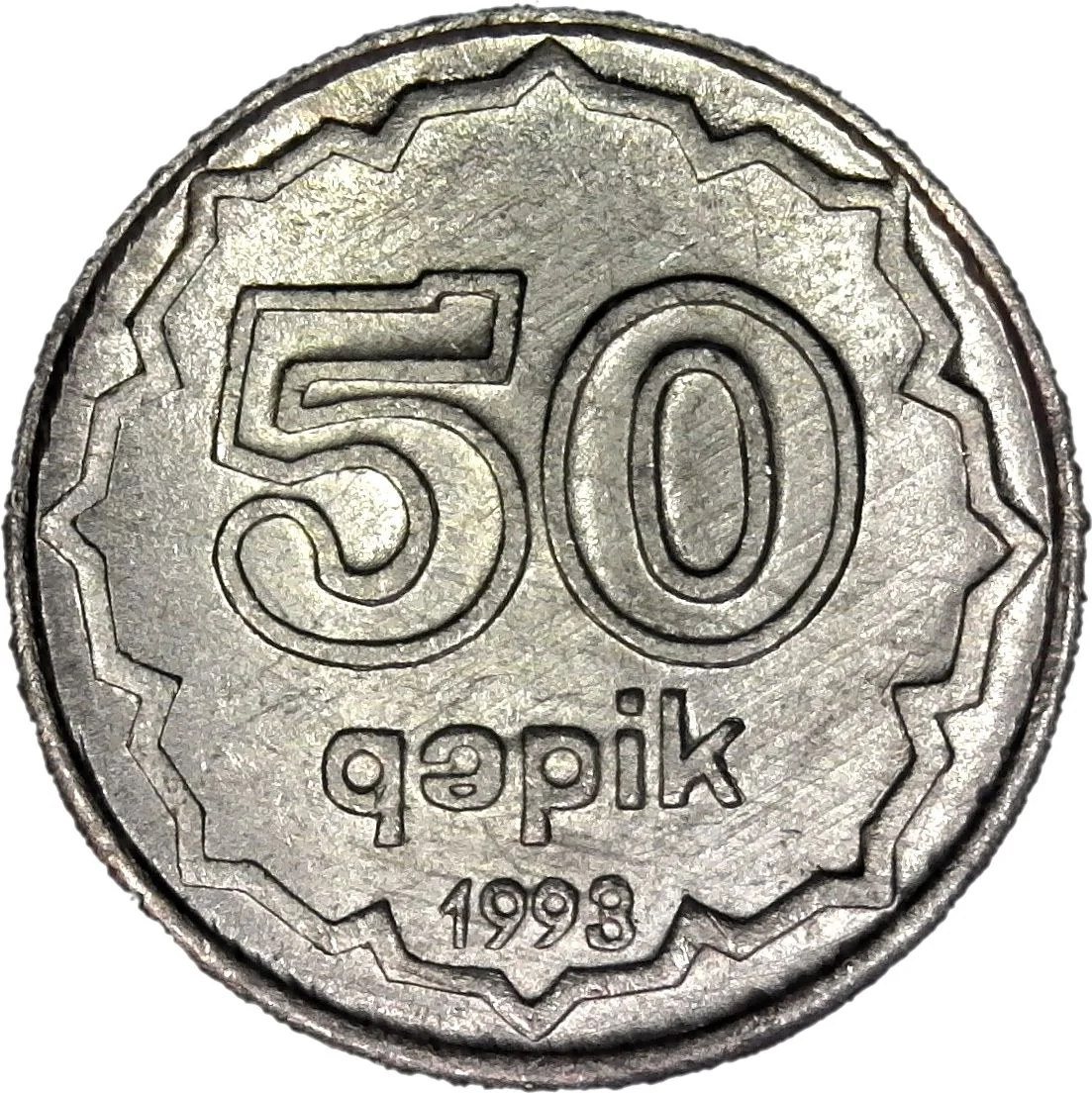
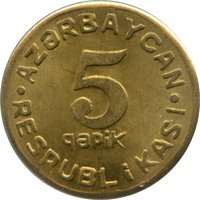
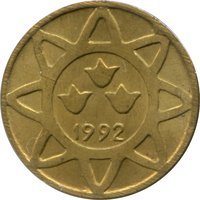
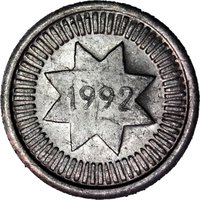
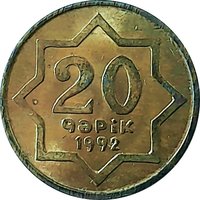
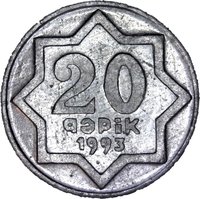
Denomination in ornament, date beneath.
Inscription:
50
qəpik
1993
qəpik
1993
Translation:
50 qəpik
1993
1993
Script: Latin
Language: Azerbaijani
Edge
Plain
Mintings
| Year | Mint Mark | Mintage | Quality | Collection |
|---|---|---|---|---|
| 1992 | — | — | ||
| 1993 | — | — |
Historical background
In 1992, Azerbaijan's currency situation was one of profound crisis and transition, directly stemming from the collapse of the Soviet Union. The newly independent republic initially remained within the "Ruble Zone," using the Russian ruble as its currency. However, this arrangement quickly became untenable. The Central Bank of Russia, pursuing its own anti-inflationary policies, began restricting the flow of rubles to former Soviet states, while other republics printed their own versions of the currency without restraint. This led to a massive influx of rubles into Azerbaijan, fueling hyperinflation and a catastrophic loss of purchasing power, devastating salaries and savings.
The economic chaos was severely compounded by the ongoing war with Armenia over Nagorno-Karabakh. The conflict consumed a vast portion of state resources, displaced hundreds of thousands of people, and crippled industrial and agricultural production. With its budget shattered and unable to collect taxes effectively, the government under President Abulfaz Elchibey resorted to financing itself by printing money, further accelerating the inflationary spiral. The economy was trapped in a vicious cycle where war spending necessitated money-printing, which destroyed the currency's value and further crippled the formal economy.
Recognizing the impossibility of the existing system, the Azerbaijani government took a decisive step in mid-1992 by introducing a temporary national currency, the Azerbaijani ruble (also known as the manat), which circulated alongside the Soviet and Russian rubles. This was a transitional instrument aimed at gaining monetary control. However, without accompanying fiscal discipline and political stability, it failed to immediately stabilize the economy. The year ended with the nation mired in hyperinflation, a worthless currency, and a barter economy flourishing as the formal financial system collapsed, setting the stage for the introduction of a permanent new manat in 1993.
The economic chaos was severely compounded by the ongoing war with Armenia over Nagorno-Karabakh. The conflict consumed a vast portion of state resources, displaced hundreds of thousands of people, and crippled industrial and agricultural production. With its budget shattered and unable to collect taxes effectively, the government under President Abulfaz Elchibey resorted to financing itself by printing money, further accelerating the inflationary spiral. The economy was trapped in a vicious cycle where war spending necessitated money-printing, which destroyed the currency's value and further crippled the formal economy.
Recognizing the impossibility of the existing system, the Azerbaijani government took a decisive step in mid-1992 by introducing a temporary national currency, the Azerbaijani ruble (also known as the manat), which circulated alongside the Soviet and Russian rubles. This was a transitional instrument aimed at gaining monetary control. However, without accompanying fiscal discipline and political stability, it failed to immediately stabilize the economy. The year ended with the nation mired in hyperinflation, a worthless currency, and a barter economy flourishing as the formal financial system collapsed, setting the stage for the introduction of a permanent new manat in 1993.
🌱 Common