

1 Mohar – Nepal
Nepal
Context
Years: 1901–1905
Issuer: Nepal 
Ruler: Prithvi Bir Bikram Shah
Currency:
(1546—1932)
Demonetized: Yes
Material
References
KM: #Click to copy to clipboard673.1
Numista: #66159
Value
Bullion value: $935.15
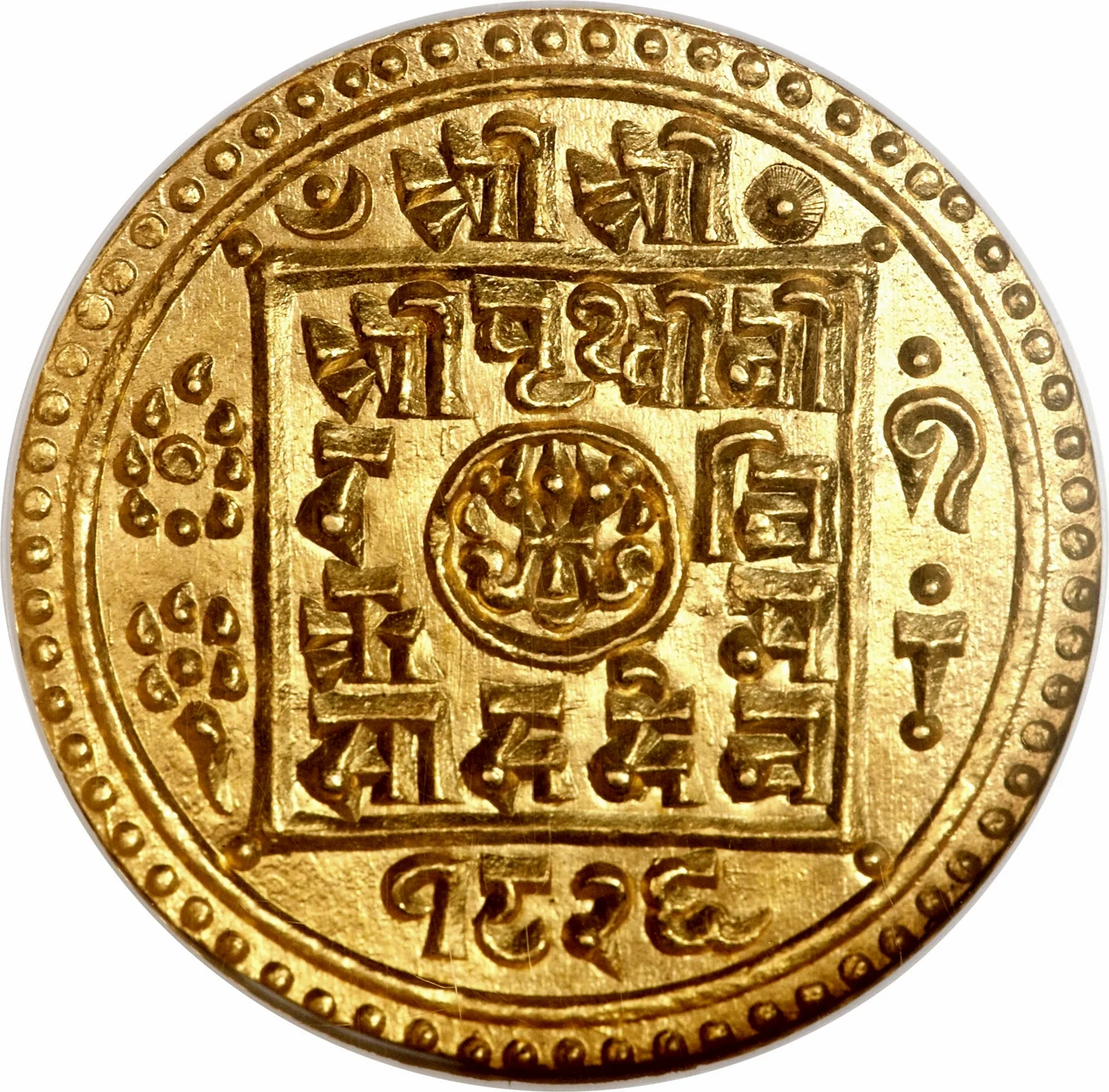
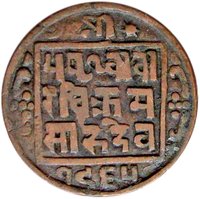
Obverse
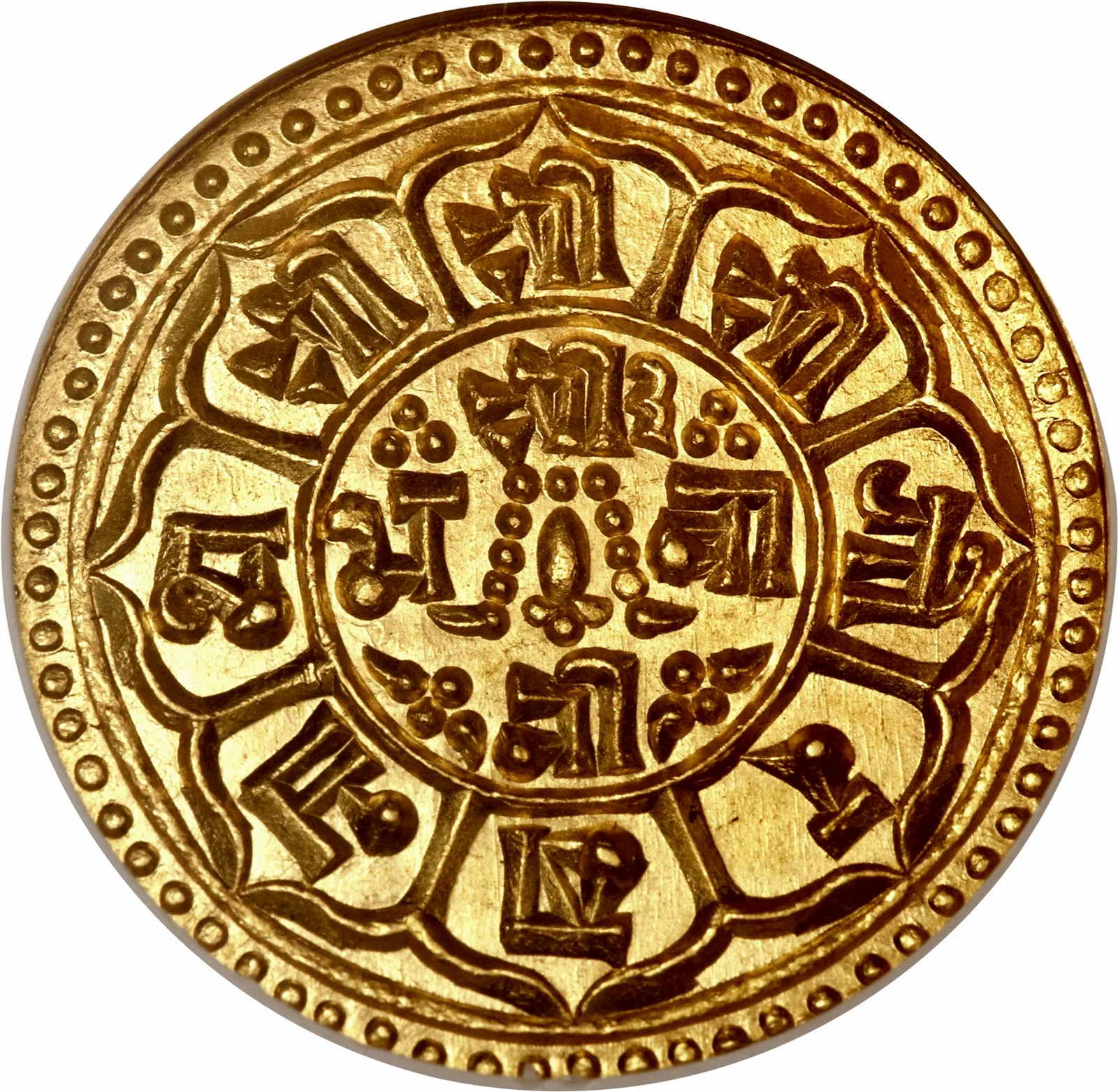
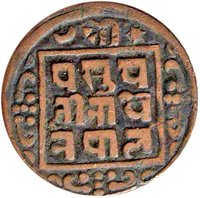
Reverse
Edge
Mintings
| Year | Mint Mark | Mintage | Quality | Collection |
|---|---|---|---|---|
| 1901 | — | — | ||
| 1903 | — | — | ||
| 1904 | — | — | ||
| 1905 | — | — |
Historical background
In 1901, Nepal's currency system was a complex and transitional one, deeply rooted in its political relationship with British India and its own feudal economy. Officially, the silver Mohar was the national coin, minted by the state since the 16th century. However, the most dominant circulating currency was not Nepali but the Indian Rupee, which held de facto legal tender status due to Nepal's deeply integrated trade with British India. This created a dual-currency reality where both coins circulated simultaneously, with exchange rates fluctuating based on their intrinsic silver content and market demand.
The period was marked by significant monetary instability. The Rana regime, focused on consolidating power and revenue, engaged in chronic debasement of the Mohar, reducing its silver purity to fund state expenses and the lavish lifestyles of the ruling elite. This led to a wide and often volatile exchange rate between the debased Mohar and the more stable Indian Rupee, causing confusion in trade and hardship for common people. Furthermore, the state held a strict monopoly on minting, and the use of banknotes was non-existent; all transactions were conducted in metal coinage, with copper Dams used for smaller everyday purchases.
This unstable system persisted until a major reform in 1903, initiated by Prime Minister Chandra Shumsher Rana. The Nepali Rupee (NRs) was introduced, replacing the Mohar and pegged at a fixed parity of 1 NRs = 1 Indian Rupee. This reform, implemented just two years after the turn of the century, was a direct response to the chaotic situation of 1901. It aimed to stabilize the economy, simplify trade with India, and modernize the fiscal system, marking the end of the medieval Mohar era and the beginning of a standardized currency under the Rana autocracy.
The period was marked by significant monetary instability. The Rana regime, focused on consolidating power and revenue, engaged in chronic debasement of the Mohar, reducing its silver purity to fund state expenses and the lavish lifestyles of the ruling elite. This led to a wide and often volatile exchange rate between the debased Mohar and the more stable Indian Rupee, causing confusion in trade and hardship for common people. Furthermore, the state held a strict monopoly on minting, and the use of banknotes was non-existent; all transactions were conducted in metal coinage, with copper Dams used for smaller everyday purchases.
This unstable system persisted until a major reform in 1903, initiated by Prime Minister Chandra Shumsher Rana. The Nepali Rupee (NRs) was introduced, replacing the Mohar and pegged at a fixed parity of 1 NRs = 1 Indian Rupee. This reform, implemented just two years after the turn of the century, was a direct response to the chaotic situation of 1901. It aimed to stabilize the economy, simplify trade with India, and modernize the fiscal system, marking the end of the medieval Mohar era and the beginning of a standardized currency under the Rana autocracy.
✨ Legendary