

1 falus – Morocco
Add to wishlist
Morocco
Context
Years: 1835–1853
Issuer: Morocco
Ruler: Moulay ‘Abd al-Rahman
Currency:
(1659—1882)
Demonetized: Yes
Material
References
Numista: #64140
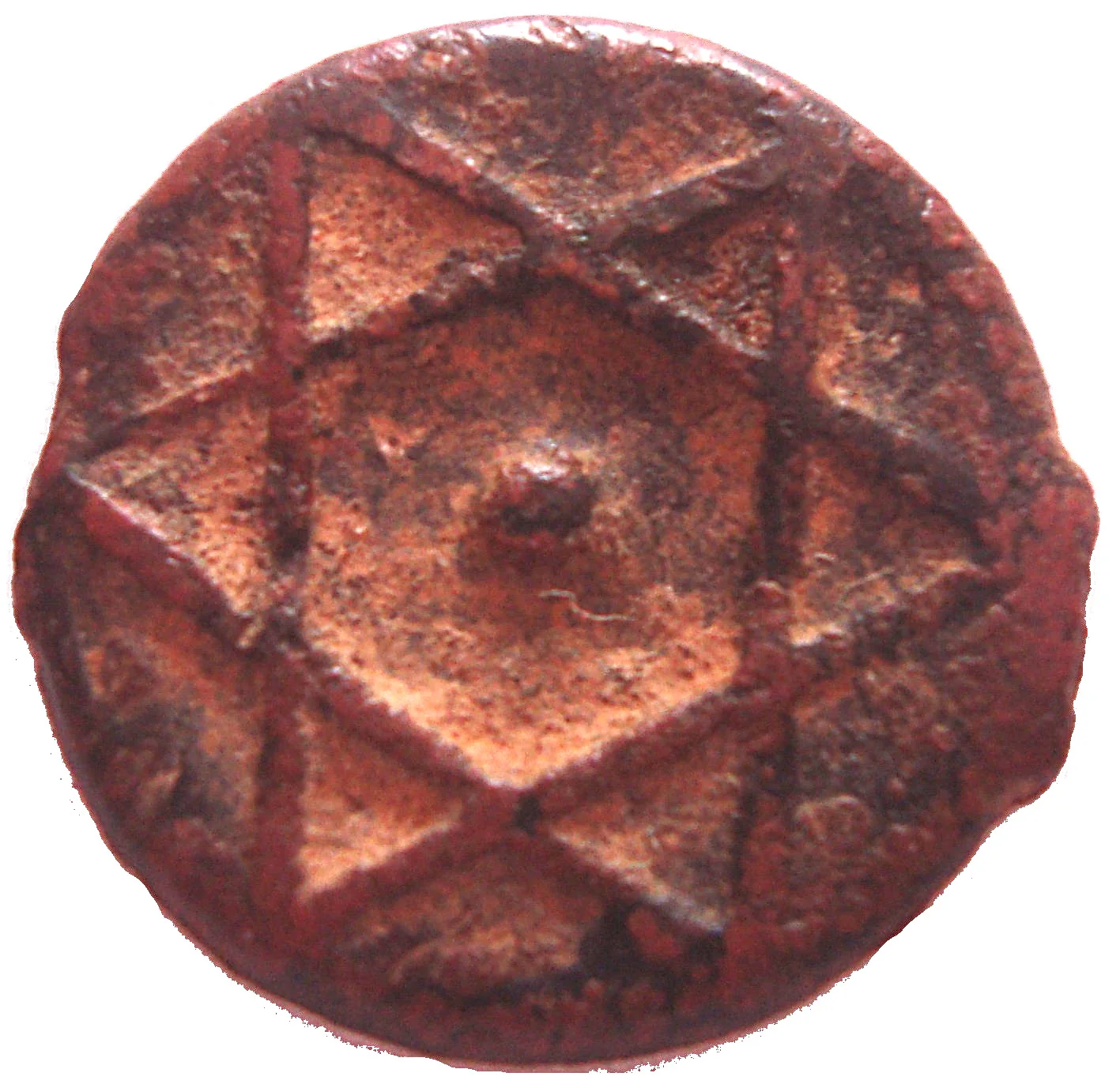
Obverse
Description:
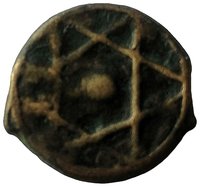
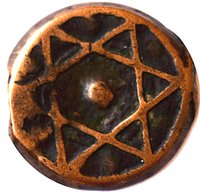
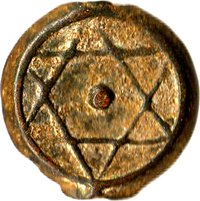
Solomon's Seal
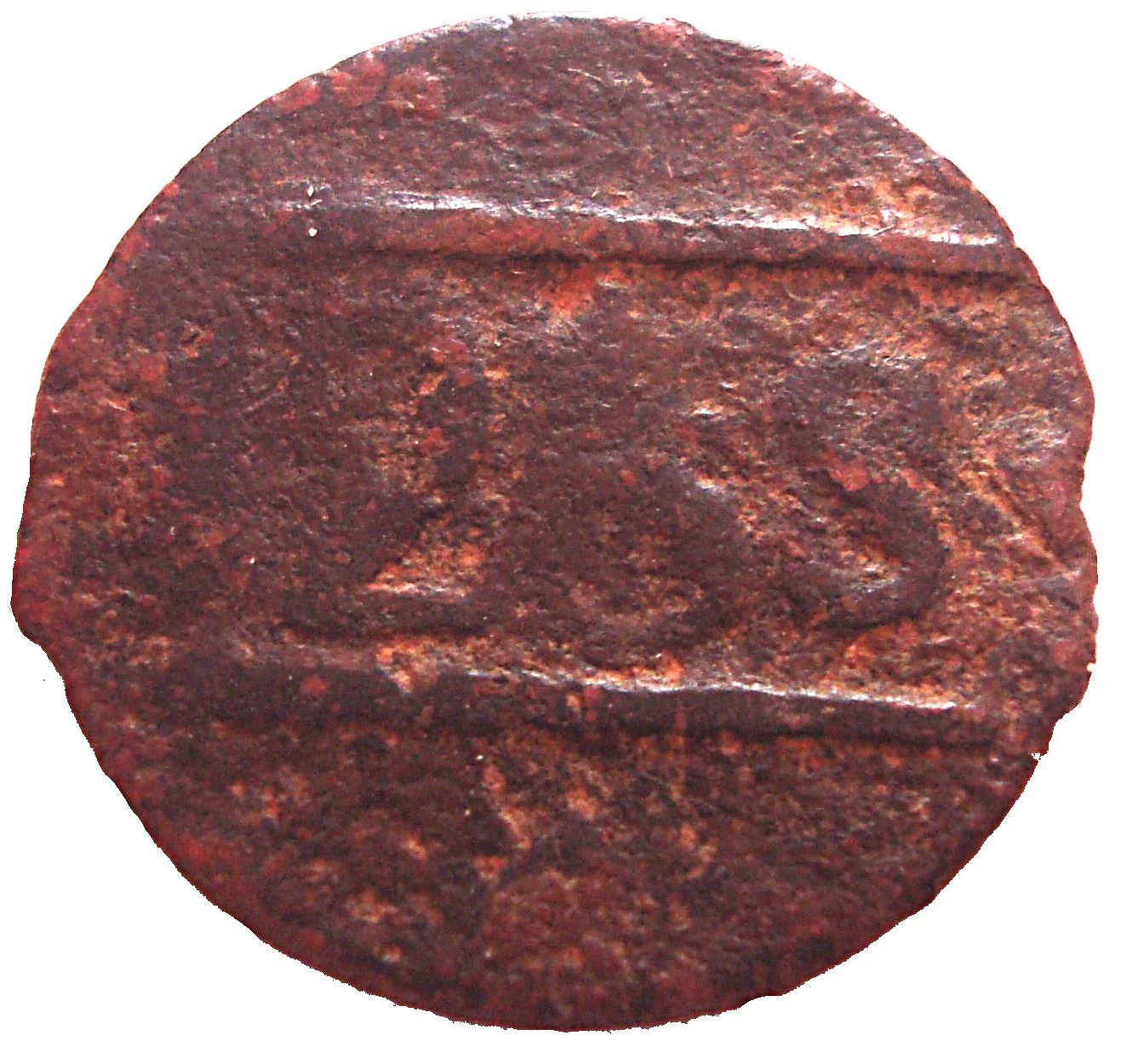
Reverse
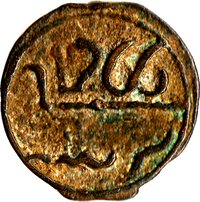
Description:
Date
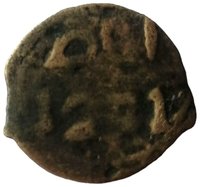
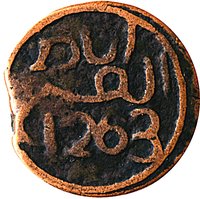
Script: Arabic
Edge
Beveled and smooth
Mintings
| Year | Mint Mark | Mintage | Quality | Collection |
|---|---|---|---|---|
| 1835 | — | — | ||
| 1836 | — | — | ||
| 1837 | — | — | ||
| 1838 | — | — | ||
| 1838 | — | — | ||
| 1839 | — | — | ||
| 1840 | — | — | ||
| 1841 | — | — | ||
| 1842 | — | — | ||
| 1843 | — | — | ||
| 1844 | — | — | ||
| 1845 | — | — | ||
| 1846 | — | — | ||
| 1847 | — | — | ||
| 1848 | — | — | ||
| 1849 | — | — | ||
| 1850 | — | — | ||
| 1851 | — | — | ||
| 1852 | — | — | ||
| 1853 | — | — |
Historical background
In 1835, Morocco’s currency system was in a state of profound crisis and transition, deeply entangled with the country’s political and economic vulnerabilities. The traditional monetary system, based on the silver dirham and the gold benduqi, was fragmented and debased. Various European coins, especially Spanish silver dollars (pesos or "riyals"), circulated alongside locally minted coins of erratic purity, leading to chaotic exchange rates and widespread fraud. This instability was exacerbated by a severe shortage of precious metals, stemming from a chronic trade deficit with Europe, which drained silver from the Sultanate.
The reign of Sultan ‘Abd al-Rahman (1822-1859) was marked by military defeats and heavy indemnities, most notably following the Franco-Moroccan War of 1844, the roots of which were already forming by 1835. These external pressures strained the Makhzen's (central government) treasury, forcing it to repeatedly debase the silver coinage to meet expenses. This practice destroyed public confidence in the currency, fueled inflation in urban markets, and crippled long-distance trade. The state’s inability to control its minting operations or regulate the influx of foreign coins highlighted its weakening central authority and the growing influence of European economic power.
Consequently, the monetary chaos of 1835 was a clear symptom of Morocco’s integration into a European-dominated world economy on highly disadvantageous terms. It reflected a pre-modern fiscal system struggling to cope with external shocks and internal demand for reform. This period set the stage for later, more direct European intervention in Morocco’s financial affairs, ultimately leading to the establishment of a state bank and attempts at standardized currency reform later in the 19th century, largely under foreign pressure.
The reign of Sultan ‘Abd al-Rahman (1822-1859) was marked by military defeats and heavy indemnities, most notably following the Franco-Moroccan War of 1844, the roots of which were already forming by 1835. These external pressures strained the Makhzen's (central government) treasury, forcing it to repeatedly debase the silver coinage to meet expenses. This practice destroyed public confidence in the currency, fueled inflation in urban markets, and crippled long-distance trade. The state’s inability to control its minting operations or regulate the influx of foreign coins highlighted its weakening central authority and the growing influence of European economic power.
Consequently, the monetary chaos of 1835 was a clear symptom of Morocco’s integration into a European-dominated world economy on highly disadvantageous terms. It reflected a pre-modern fiscal system struggling to cope with external shocks and internal demand for reform. This period set the stage for later, more direct European intervention in Morocco’s financial affairs, ultimately leading to the establishment of a state bank and attempts at standardized currency reform later in the 19th century, largely under foreign pressure.
Series: 1835 Morocco circulation coins
🌟 Limited