

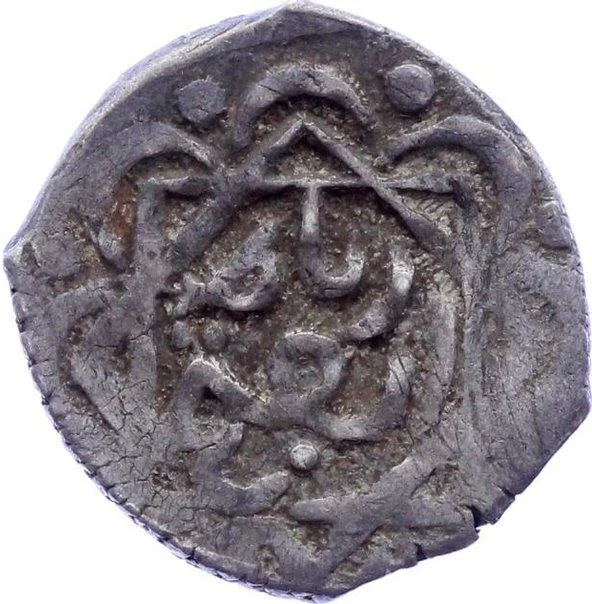
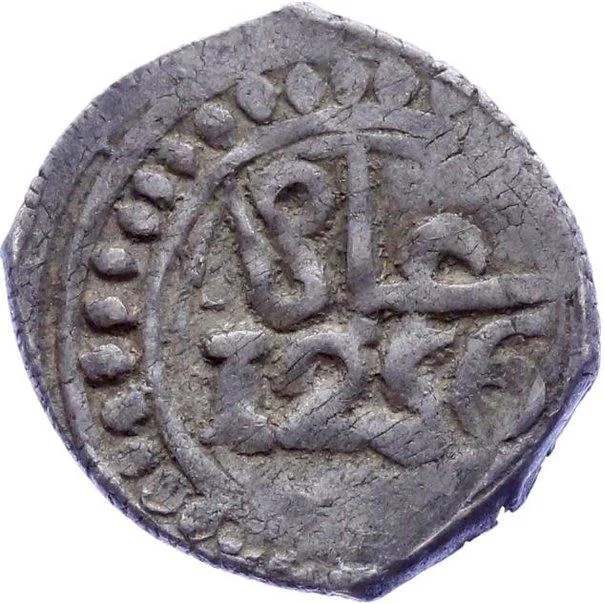
1 dirham – Morocco
Add to wishlist
Morocco
Context
Years: 1836–1842
Issuer: Morocco
Ruler: Moulay ‘Abd al-Rahman
Currency:
(1659—1882)
Demonetized: Yes
References
Numista: #157013
Value
Bullion value: $4.23
Mintings
| Year | Mint Mark | Mintage | Quality | Collection |
|---|---|---|---|---|
| 1836 | — | — | ||
| 1838 | — | — | ||
| 1838 | — | — | ||
| 1839 | — | — | ||
| 1840 | — | — | ||
| 1841 | — | — | ||
| 1842 | — | — |
Historical background
In 1836, the currency situation in the Kingdom of Morocco was characterized by profound monetary fragmentation and instability, a direct reflection of its political and economic pressures. The country operated without a unified, state-issued currency. Instead, circulation was dominated by a bewildering variety of coins: older, worn Spanish reales (particularly the "peseta hassani"), Ottoman and Algerian gold dinars, and a multitude of European silver trade coins. Most critically, the silver dirham minted by the Sultans in cities like Marrakech and Fez was chronically debased, its silver content and weight inconsistent, leading to widespread distrust. This complex system necessitated money changers (sarrafs) in every market to assess and exchange coins, creating friction in commerce.
This monetary chaos was exacerbated by severe external strains. Following a devastating military defeat to France at the Battle of Isly in 1844, Morocco was forced to pay a large war indemnity of 15 million francs. This massive outflow of specie, primarily in reliable silver coinage, drained the country's precious metal reserves and created a severe liquidity crisis. The state's response, often to mint more debased coinage to meet its obligations, only accelerated inflation and further eroded public confidence in the Sultanate's currency.
Consequently, the monetary system of 1836 was not merely an economic issue but a symptom of a pre-modern state struggling against globalization and colonial encroachment. The lack of central monetary authority, coupled with the external shock of war reparations, crippled domestic trade and fiscal policy. This environment of financial weakness left Morocco increasingly vulnerable to European economic and political influence, setting the stage for the deeper fiscal crises and foreign-controlled debt that would define the latter half of the 19th century.
This monetary chaos was exacerbated by severe external strains. Following a devastating military defeat to France at the Battle of Isly in 1844, Morocco was forced to pay a large war indemnity of 15 million francs. This massive outflow of specie, primarily in reliable silver coinage, drained the country's precious metal reserves and created a severe liquidity crisis. The state's response, often to mint more debased coinage to meet its obligations, only accelerated inflation and further eroded public confidence in the Sultanate's currency.
Consequently, the monetary system of 1836 was not merely an economic issue but a symptom of a pre-modern state struggling against globalization and colonial encroachment. The lack of central monetary authority, coupled with the external shock of war reparations, crippled domestic trade and fiscal policy. This environment of financial weakness left Morocco increasingly vulnerable to European economic and political influence, setting the stage for the deeper fiscal crises and foreign-controlled debt that would define the latter half of the 19th century.
✨ Legendary