

2 Pence – Falkland Islands
United Kingdom
Context
Years: 2004–2011
Country: United Kingdom 
Issuer: Falkland Islands 
Ruler: Elizabeth II
Currency:
(since 1971)
Material
References
KM: #Click to copy to clipboard131
Numista: #6399
Value
Exchange value: 0.02 FKP
Inflation-adjusted value: 0.04 FKP
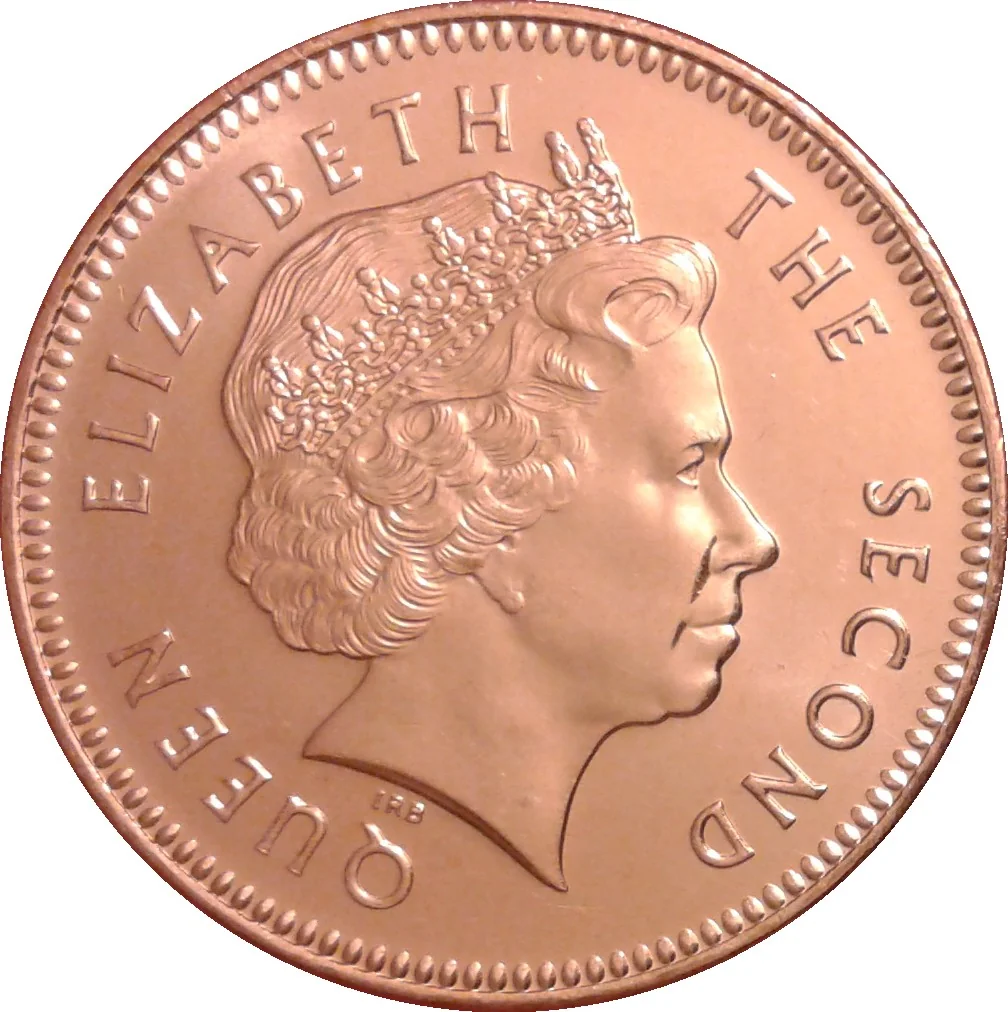
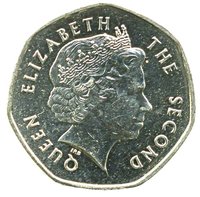
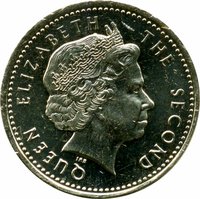
Obverse
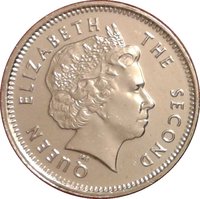
Description:
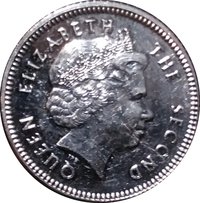
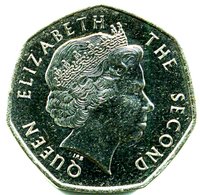
King facing right.
Inscription:
QUEEN ELIZABETH THE SECOND
IRB
IRB
Script: Latin
Engraver: Ian Rank-Broadley
Reverse
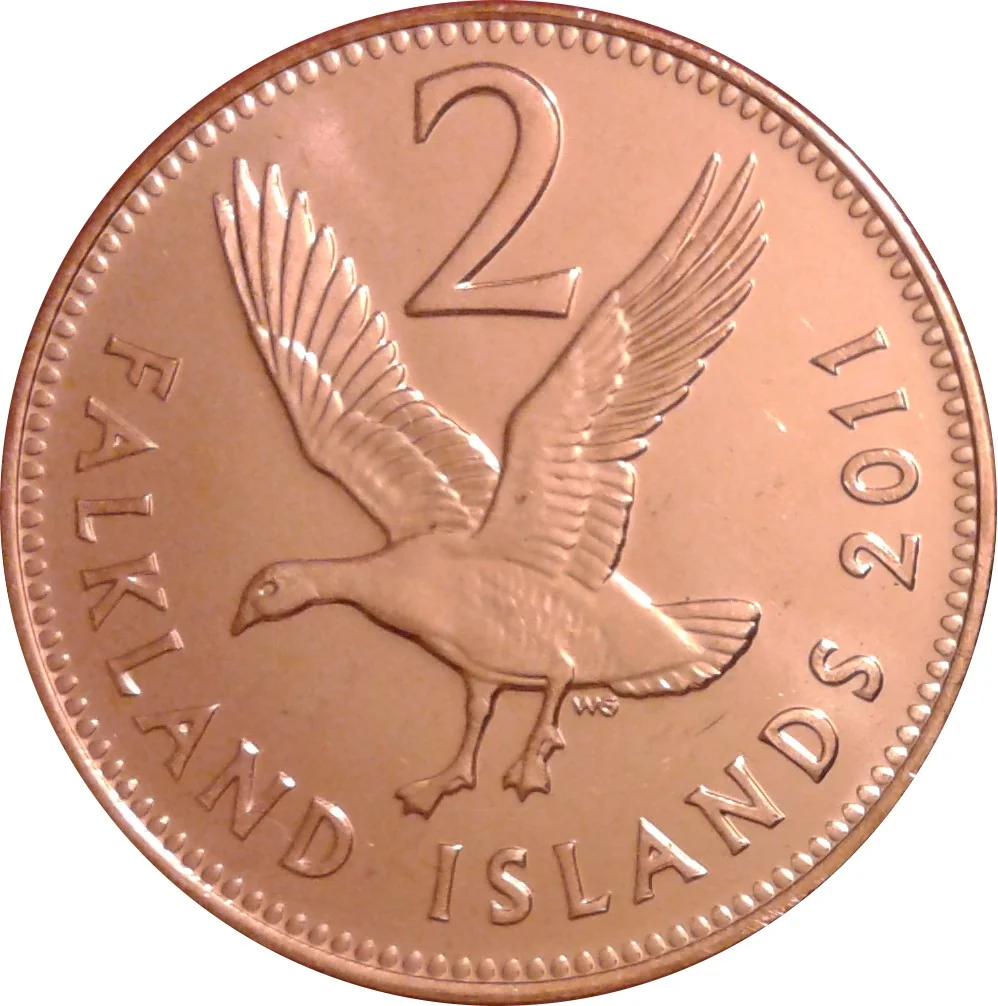
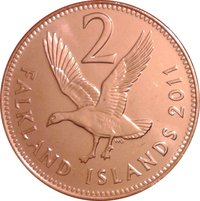
Description:
Upland Goose in flight, facing left. Falklands subspecies (C. p. leucoptera) is larger than the mainland variant.
Inscription:
2
WG
FALKLAND ISLANDS 2011
WG
FALKLAND ISLANDS 2011
Script: Latin
Engraver: William Maving Gardner
Edge
Plain
Mintings
| Year | Mint Mark | Mintage | Quality | Collection |
|---|---|---|---|---|
| 2004 | — | — | ||
| 2011 | — | — |
Historical background
In 2004, the currency situation in the Falkland Islands remained stable and uncomplicated, firmly pegged to the British pound sterling. The official currency was (and remains) the Falkland Islands pound (FKP), which is issued by the Falkland Islands Government and maintained at a strict 1:1 parity with sterling. This meant that banknotes and coins bearing local designs circulated on the islands, but the UK pound was also accepted everywhere as legal tender, creating a de facto dual-currency system where both circulated interchangeably.
This peg provided significant economic stability, insulating the islands from currency fluctuations and simplifying trade and financial links with the United Kingdom, its primary source of imports, aid, and defence. The economy in 2004 was heavily supported by revenue from the sale of fishing licences within its exclusive economic zone, and all such transactions, as well as the growing tourism sector, were conducted in this sterling-equivalent currency. There was no independent monetary policy; interest rates and broader monetary conditions were effectively set by the Bank of England.
The system in place in 2004 was a direct reflection of the islands' constitutional status as a British Overseas Territory. It underscored deep political and economic integration with Britain, a relationship further solidified following the 1982 conflict. Consequently, there were no significant currency debates or crises that year; the arrangement was a settled and functional cornerstone of the territory's financial infrastructure, ensuring predictability for government budgeting, local business, and international commerce centred on the fisheries.
This peg provided significant economic stability, insulating the islands from currency fluctuations and simplifying trade and financial links with the United Kingdom, its primary source of imports, aid, and defence. The economy in 2004 was heavily supported by revenue from the sale of fishing licences within its exclusive economic zone, and all such transactions, as well as the growing tourism sector, were conducted in this sterling-equivalent currency. There was no independent monetary policy; interest rates and broader monetary conditions were effectively set by the Bank of England.
The system in place in 2004 was a direct reflection of the islands' constitutional status as a British Overseas Territory. It underscored deep political and economic integration with Britain, a relationship further solidified following the 1982 conflict. Consequently, there were no significant currency debates or crises that year; the arrangement was a settled and functional cornerstone of the territory's financial infrastructure, ensuring predictability for government budgeting, local business, and international commerce centred on the fisheries.
🌱 Very Common