

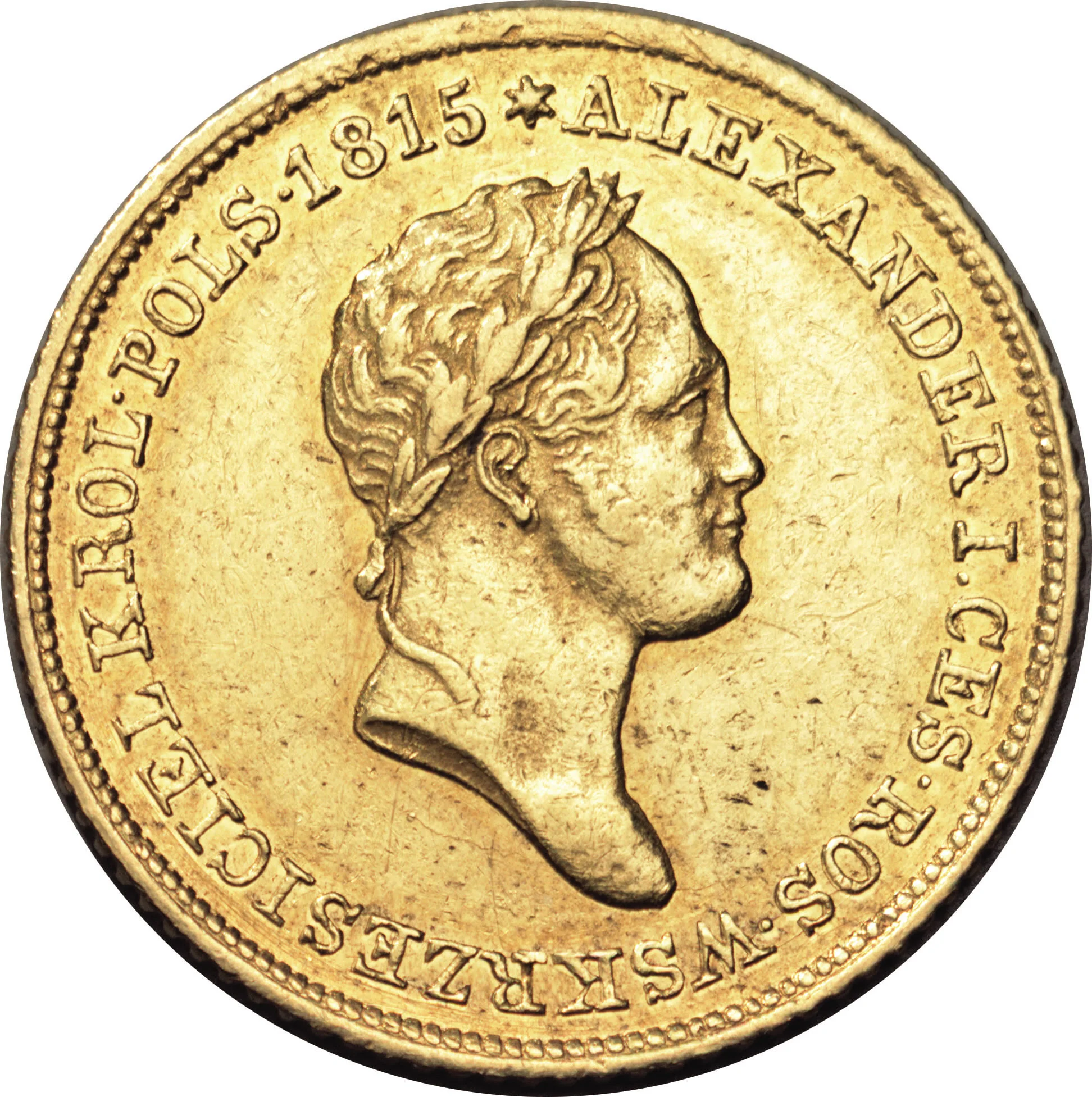
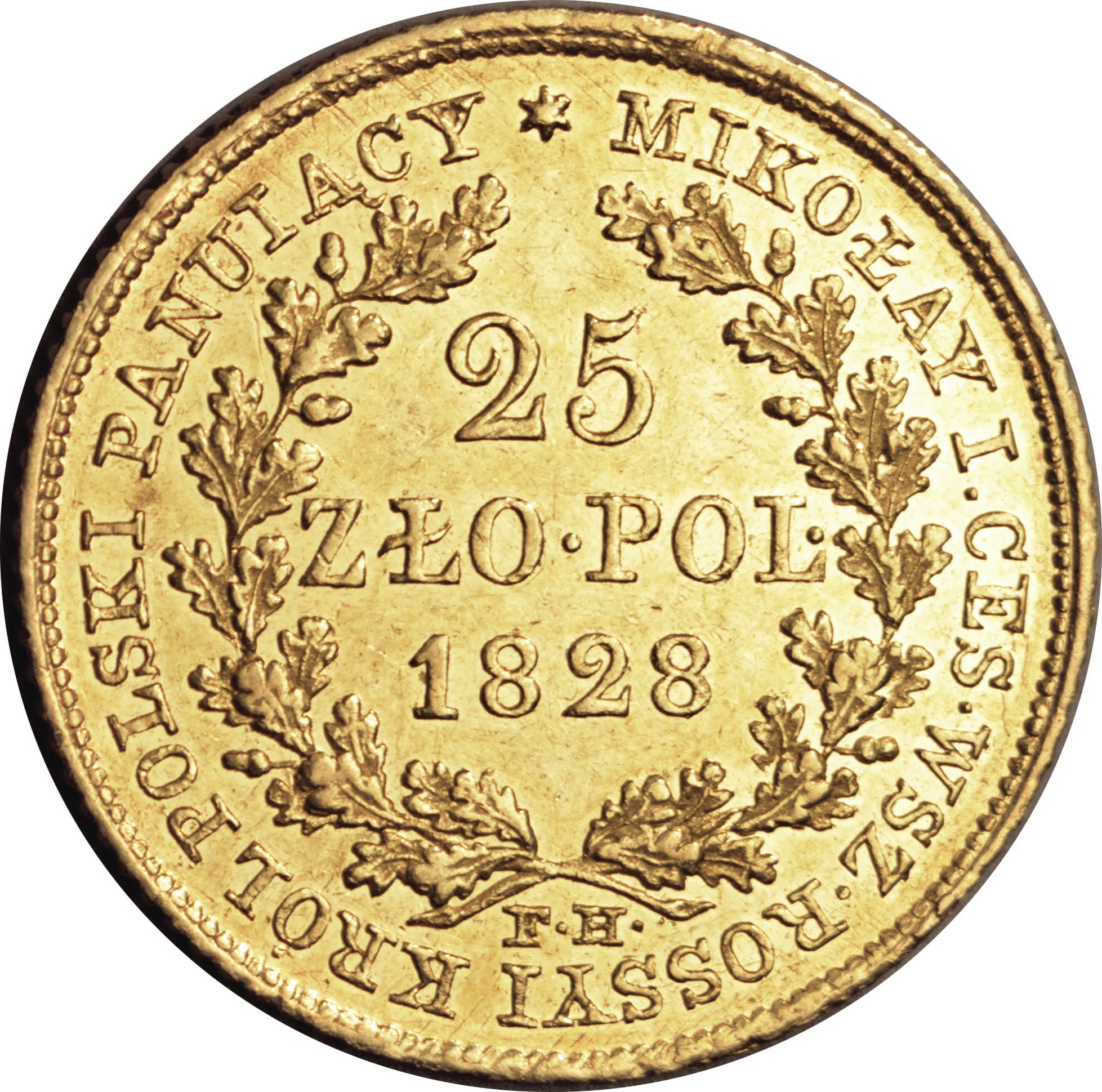
25 Zlotys – Congress Kingdom of Poland
Poland
Context
Years: 1828–1829
Country: Poland 
Issuer: Congress Kingdom of Poland
Ruler: Nicholas I
Currency:
(1815—1841)
Demonetized: Yes
Total mintage: 2,029
Material
References
Numista: #63678
Value
Bullion value: $749.15
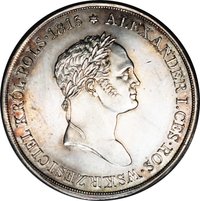
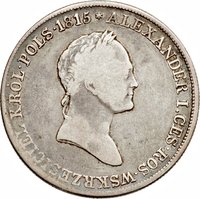
Obverse
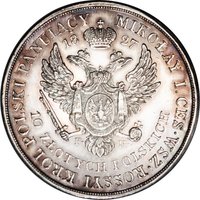
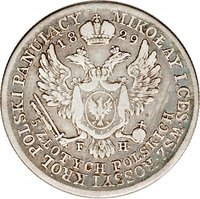
Reverse
Edge
Mintings
| Year | Mint Mark | Mintage | Quality | Collection |
|---|---|---|---|---|
| 1828 | FH | 241 | ||
| 1829 | FH | 1,788 |
Historical background
In 1828, the currency situation in the Congress Kingdom of Poland was characterized by a complex and strained dual-system, a direct legacy of its political subordination to the Russian Empire. Officially, the Kingdom maintained its own monetary unit, the Polish złoty, which was established by the 1815 constitution and minted at the Warsaw Mint. However, the złoty was not a fully independent currency; it was fixed irrevocably to the Russian silver ruble at a rate of 1 ruble = 6⅔ złoty, effectively making it a satellite of the Russian monetary zone. This pegged system facilitated trade within the empire but also tied the Kingdom's economic stability directly to Russian fiscal policy.
The system faced significant practical challenges by the late 1820s. A chronic shortage of small-denomination coins for everyday transactions plagued the economy, causing inconvenience and hindering commerce. More critically, the concurrent circulation of both Polish złoty and Russian rubles created confusion, while the widespread use of debased Russian copper coins (so-called "Siberian" coins) and an influx of poor-quality foreign coins further undermined confidence in the currency. These problems were exacerbated by the policies of the Russian Viceroy, Grand Duke Constantine, and Finance Minister Prince Xavier Drucki-Lubecki, who, while pursuing industrialization, also funneled the Kingdom's substantial tax revenues to the Russian treasury, draining financial resources.
Consequently, by 1828, the monetary situation was a point of economic tension and a symbol of the Kingdom's diminishing autonomy. The fixed parity was increasingly artificial, and the chaotic circulation reflected the broader political discontent that would erupt in the November Uprising just two years later. The currency system, therefore, stood as an imperfect instrument of integration into the Empire, marked by technical shortcomings and growing public dissatisfaction, foreshadowing the greater political and economic crises to come.
The system faced significant practical challenges by the late 1820s. A chronic shortage of small-denomination coins for everyday transactions plagued the economy, causing inconvenience and hindering commerce. More critically, the concurrent circulation of both Polish złoty and Russian rubles created confusion, while the widespread use of debased Russian copper coins (so-called "Siberian" coins) and an influx of poor-quality foreign coins further undermined confidence in the currency. These problems were exacerbated by the policies of the Russian Viceroy, Grand Duke Constantine, and Finance Minister Prince Xavier Drucki-Lubecki, who, while pursuing industrialization, also funneled the Kingdom's substantial tax revenues to the Russian treasury, draining financial resources.
Consequently, by 1828, the monetary situation was a point of economic tension and a symbol of the Kingdom's diminishing autonomy. The fixed parity was increasingly artificial, and the chaotic circulation reflected the broader political discontent that would erupt in the November Uprising just two years later. The currency system, therefore, stood as an imperfect instrument of integration into the Empire, marked by technical shortcomings and growing public dissatisfaction, foreshadowing the greater political and economic crises to come.
✨ Legendary