

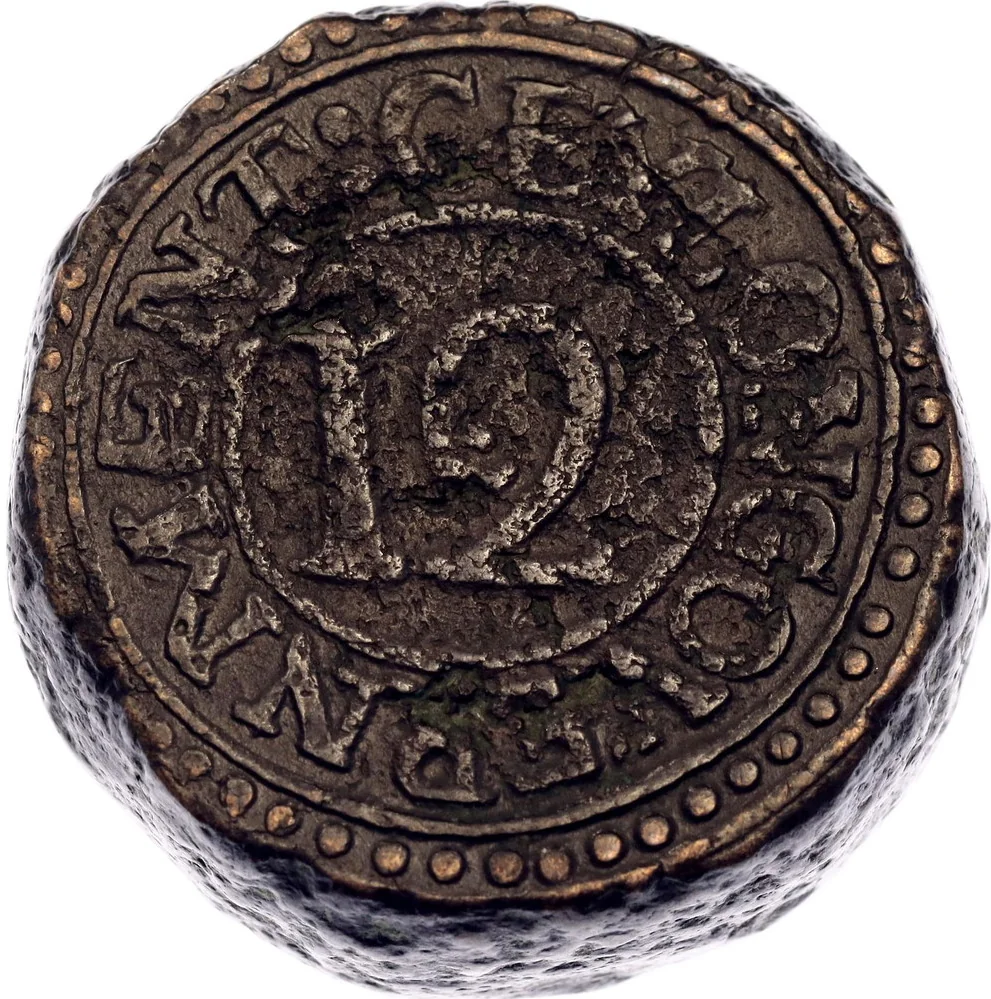
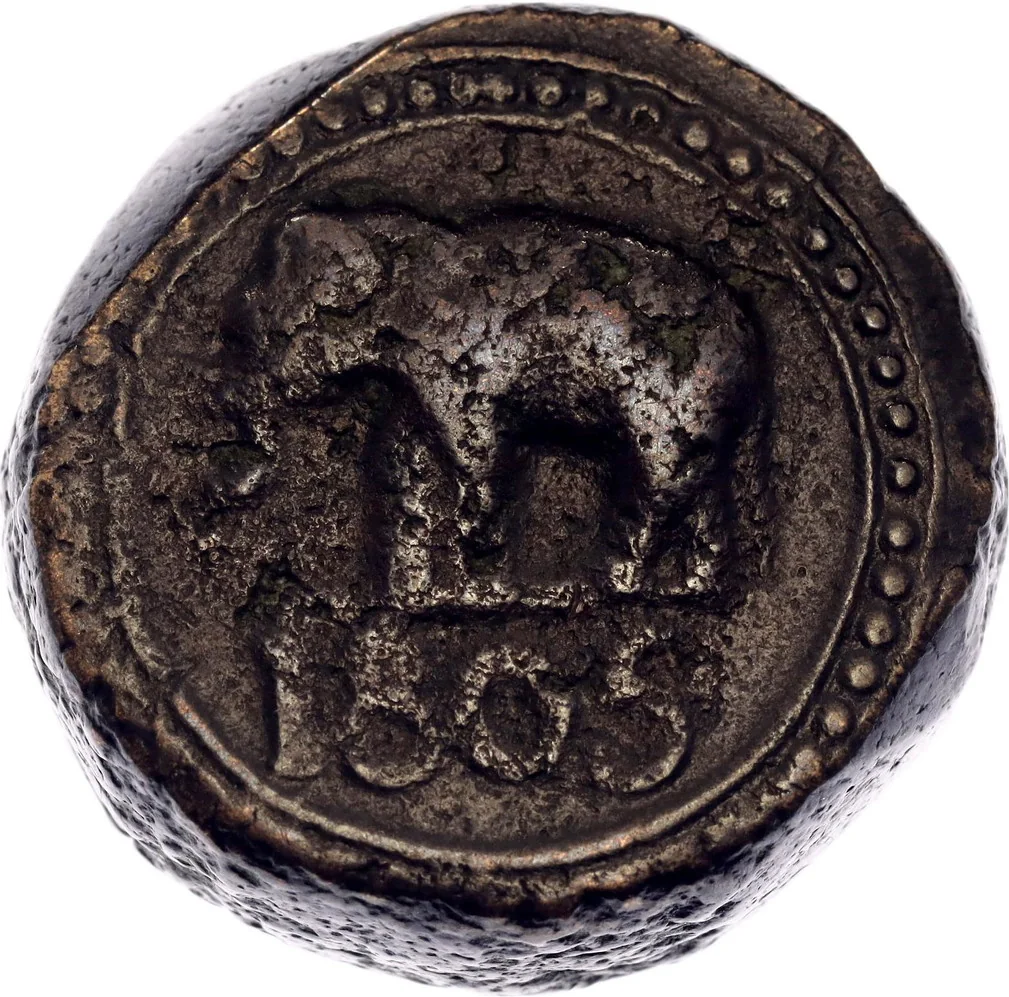
1⁄12 rixdollar – Ceylon
Add to wishlist
Sri Lanka
Context
Years: 1801–1815
Country: Sri Lanka
Issuer: Ceylon
Ruler: George III
Currency:
(1796—1828)
Demonetization: 1823
Material
Diameter: 27.8 mm
Weight: 36 g
Thickness: 3 mm
Shape: Irregular round
Composition: Copper
Magnetic: No
Alignment: Coin alignment
flip
References
KM: #
Numista: #63347
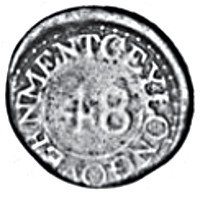
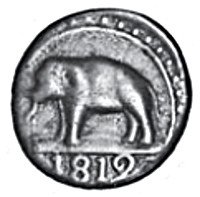
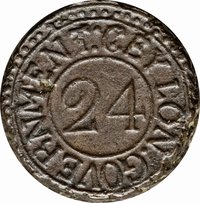
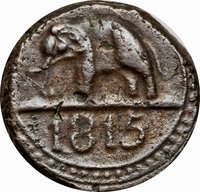
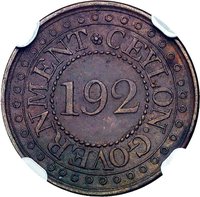
Obverse
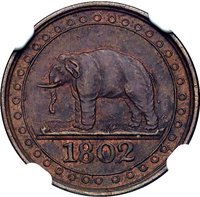
Reverse
Edge
Plain
Mintings
| Year | Mint Mark | Mintage | Quality | Collection |
|---|---|---|---|---|
| 1801 | — | — | ||
| 1802 | — | — | ||
| 1803 | — | — | ||
| 1804 | — | — | ||
| 1805 | — | — | ||
| 1811 | — | — | ||
| 1812 | — | — | ||
| 1813 | — | — | ||
| 1814 | — | — | ||
| 1815 | — | — |
Historical background
In 1801, the currency situation in Ceylon (modern-day Sri Lanka) was complex and transitional, reflecting the island's recent change in colonial administration. The British had taken control of the coastal Dutch territories in 1796, but the interior Kingdom of Kandy remained independent. The monetary system was a chaotic mix of various coins from previous Portuguese and Dutch rule, alongside indigenous systems. The Dutch rixdollar (rijksdaalder) and its fractional coins were still widely in circulation, but their value and acceptance were inconsistent, hampered by wear, clipping, and counterfeiting.
This disorder created significant problems for trade and administration. The British East India Company, now governing the maritime provinces, struggled to collect taxes and pay its troops and officials due to the lack of a standardised, trustworthy currency. The situation was exacerbated by a severe shortage of small change, which crippled everyday market transactions for the local population. To address this, the authorities in Colombo began to issue a series of emergency copper tokens in 1799 and 1800, stamped with their value in stuivers, to facilitate minor commerce.
Thus, entering 1801, Ceylon was operating under a provisional and inadequate monetary system. The British administration was actively seeking a more permanent solution, which would eventually lead to the formal declaration of a British currency system based on the pound sterling, rupees, and cents later in the decade. The year 1801, therefore, represents a point of ongoing monetary crisis and early, piecemeal attempts at stabilisation, setting the stage for the full imposition of a colonial currency structure.
This disorder created significant problems for trade and administration. The British East India Company, now governing the maritime provinces, struggled to collect taxes and pay its troops and officials due to the lack of a standardised, trustworthy currency. The situation was exacerbated by a severe shortage of small change, which crippled everyday market transactions for the local population. To address this, the authorities in Colombo began to issue a series of emergency copper tokens in 1799 and 1800, stamped with their value in stuivers, to facilitate minor commerce.
Thus, entering 1801, Ceylon was operating under a provisional and inadequate monetary system. The British administration was actively seeking a more permanent solution, which would eventually lead to the formal declaration of a British currency system based on the pound sterling, rupees, and cents later in the decade. The year 1801, therefore, represents a point of ongoing monetary crisis and early, piecemeal attempts at stabilisation, setting the stage for the full imposition of a colonial currency structure.
Series: 1801 Ceylon circulation coins
💎 Very Rare