

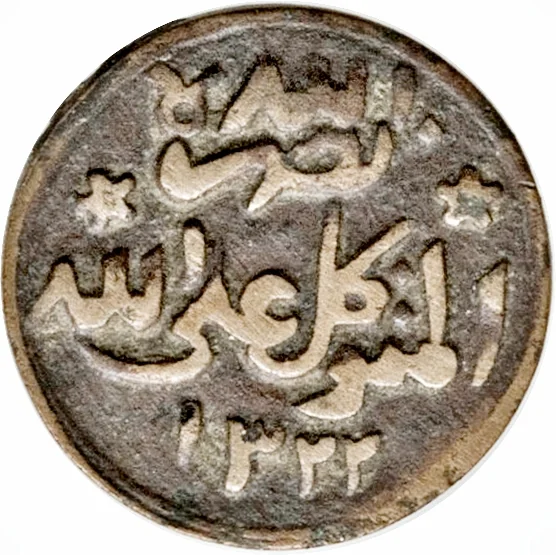
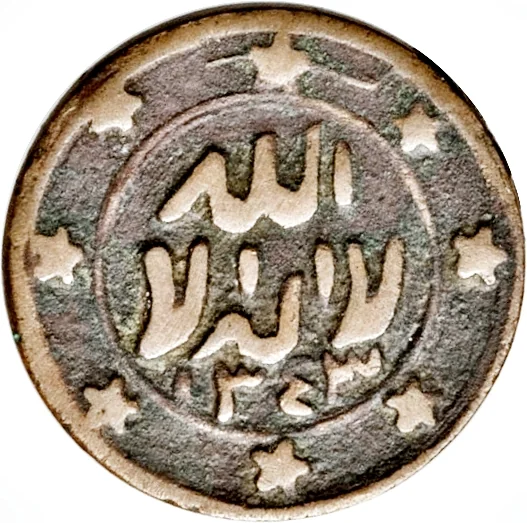
1 zalat – Mutawakkilite Kingdom
Add to wishlist
Yemen
Context
Years: 1923–1928
Country: Yemen
Issuer: Mutawakkilite Kingdom
Ruler: Yahya Muhammad Hamid ed-Din
Currency:
(1918—1974)
Demonetized: Yes
Material
References
Y: #
Numista: #63079
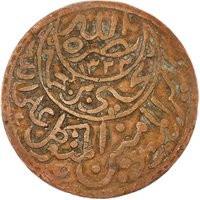
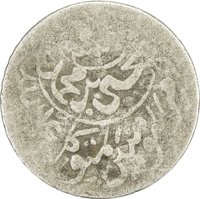
Obverse
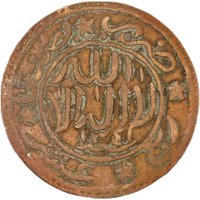
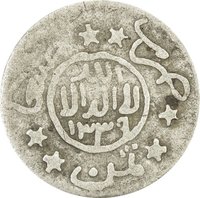
Reverse
Edge
Mintings
| Year | Mint Mark | Mintage | Quality | Collection |
|---|---|---|---|---|
| 1923 | — | — | ||
| 1924 | — | — | ||
| 1925 | — | — | ||
| 1926 | — | — | ||
| 1927 | — | — | ||
| 1928 | — | — |
Historical background
The currency situation in the Mutawakkilite Kingdom of Yemen in 1923 was defined by a complex and fragmented monetary system, reflecting the kingdom's historical isolation and limited economic integration with the global system. There was no single, unified national currency issued by the Imamate's government. Instead, circulation was dominated by a variety of foreign silver coins, most notably the Austrian Maria Theresa thaler (MTT), which served as the principal medium for large transactions and foreign trade due to its consistent silver content and wide recognition. Alongside these, older Ottoman and Turkish coins, as well as Indian rupees, circulated freely, creating a de facto multi-currency environment.
This reliance on foreign specie was a product of necessity, as the Mutawakkilite Kingdom lacked the modern minting capacity and central financial institutions to produce and manage its own currency. The system was essentially commodity-based, with the value of transactions tied directly to the weight and purity of the silver coins. For smaller, everyday transactions, the currency landscape was even more localized, with copper coins (fulus) and, in many regions, barter remaining common practices, especially in rural areas where the cash economy was less developed.
Consequently, monetary authority in 1923 was diffuse and market-driven rather than state-controlled. Exchange rates between the various coins fluctuated based on their metallic content and local demand, often requiring the expertise of money changers (sarrafs) in the markets. This fragmented system presented significant challenges for internal trade and state finance, hindering economic modernization and leaving the kingdom vulnerable to external shifts in the global value of silver. It underscored the broader reality of the Mutawakkilite Kingdom as a traditional, inward-looking state only beginning to encounter the pressures of the 20th-century global economy.
This reliance on foreign specie was a product of necessity, as the Mutawakkilite Kingdom lacked the modern minting capacity and central financial institutions to produce and manage its own currency. The system was essentially commodity-based, with the value of transactions tied directly to the weight and purity of the silver coins. For smaller, everyday transactions, the currency landscape was even more localized, with copper coins (fulus) and, in many regions, barter remaining common practices, especially in rural areas where the cash economy was less developed.
Consequently, monetary authority in 1923 was diffuse and market-driven rather than state-controlled. Exchange rates between the various coins fluctuated based on their metallic content and local demand, often requiring the expertise of money changers (sarrafs) in the markets. This fragmented system presented significant challenges for internal trade and state finance, hindering economic modernization and leaving the kingdom vulnerable to external shifts in the global value of silver. It underscored the broader reality of the Mutawakkilite Kingdom as a traditional, inward-looking state only beginning to encounter the pressures of the 20th-century global economy.
💎 Extremely Rare