

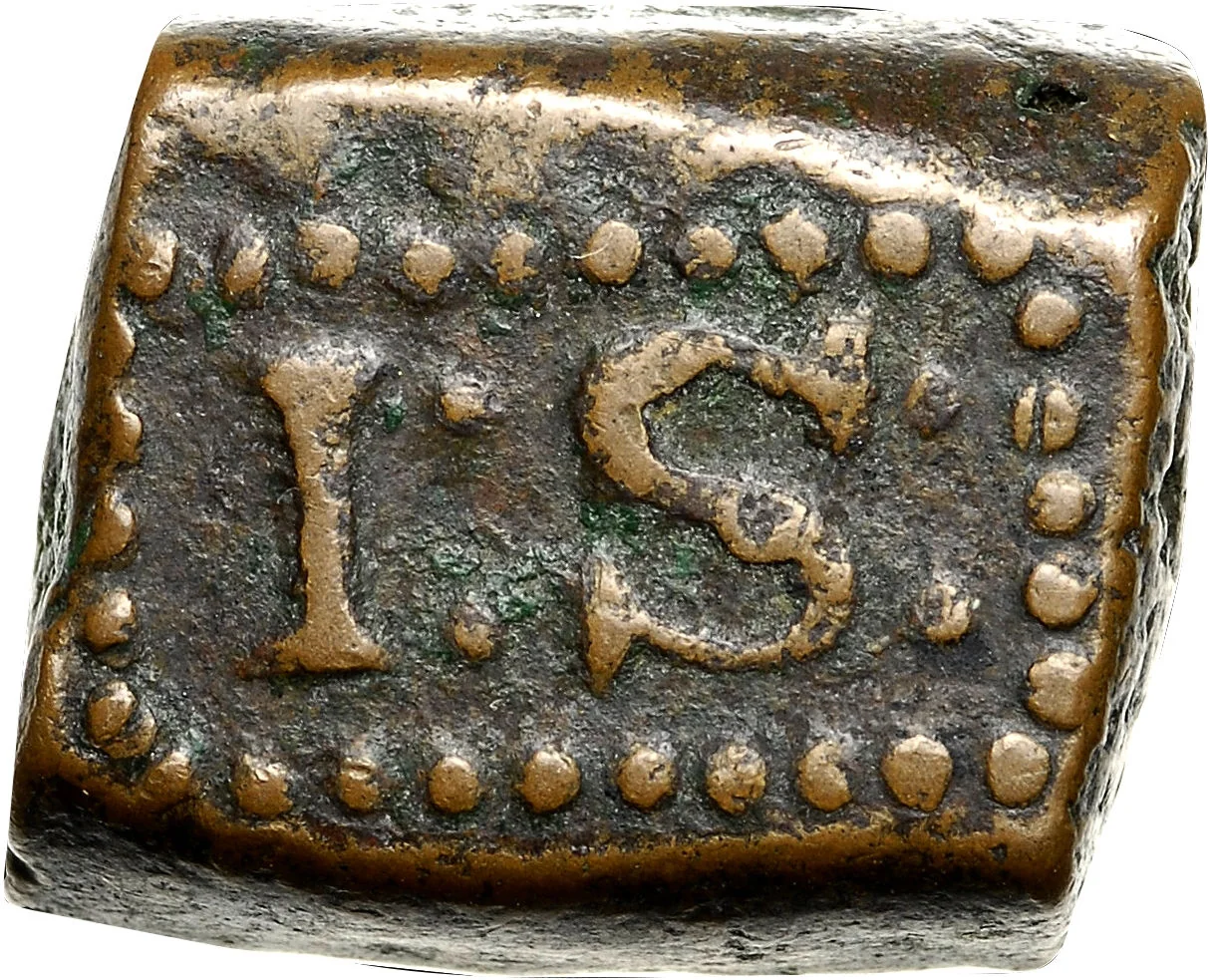
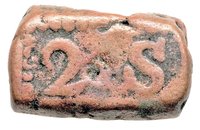
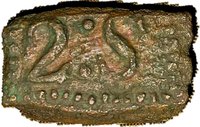
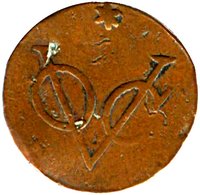
Obverse
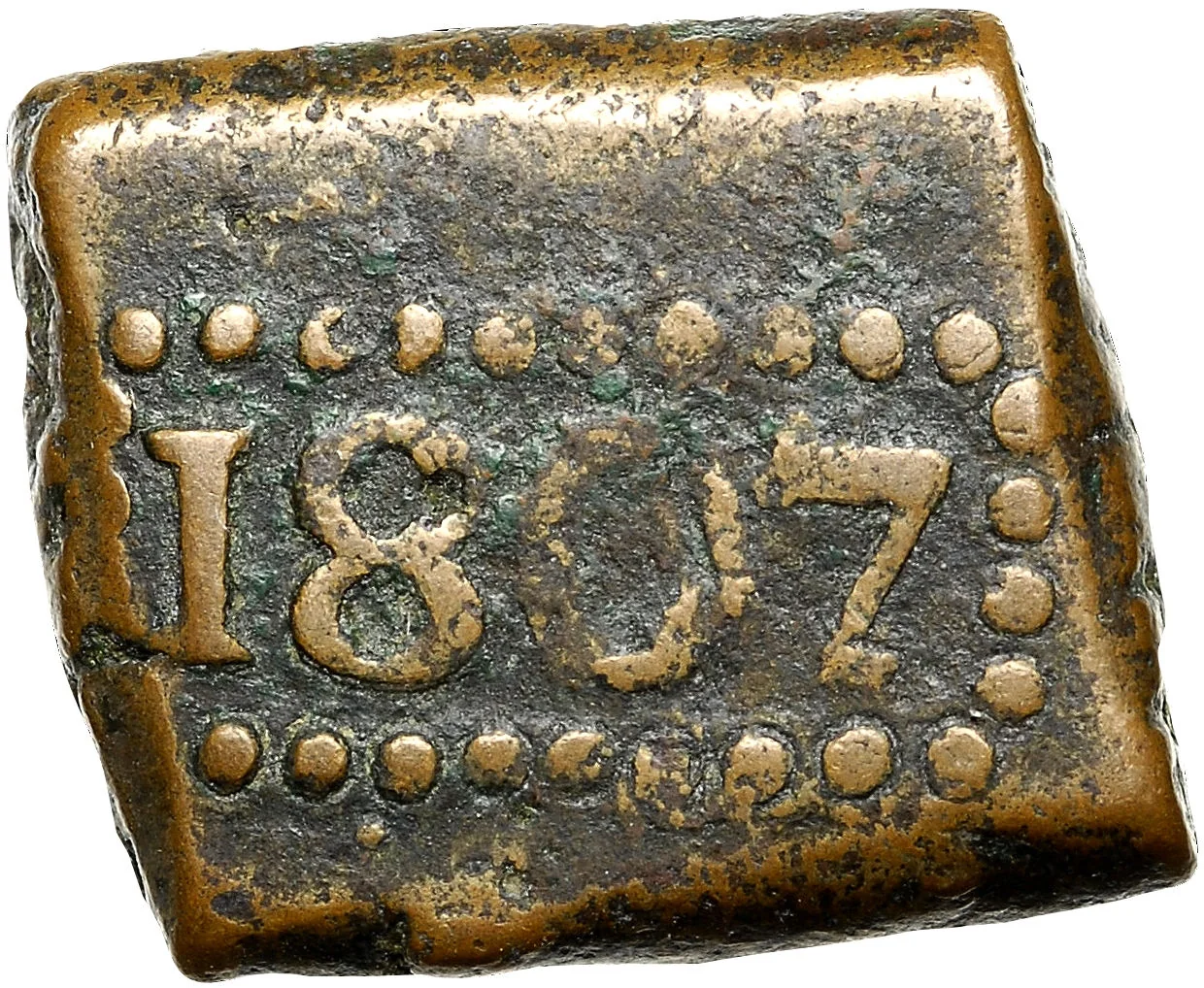
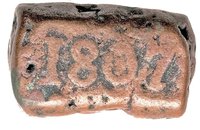
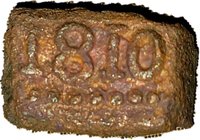
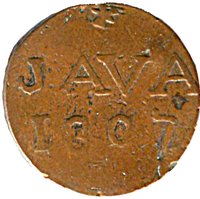
Reverse
Edge
Mintings
| Year | Mint Mark | Mintage | Quality | Collection |
|---|---|---|---|---|
| 1807 | — | — | ||
| 1808 | — | — | ||
| 1809 | — | — | ||
| 1810 | — | — |
Historical background
In 1807, Java was under the administration of the Dutch East Indies government, operating as a colony of the Napoleonic client state, the Batavian Republic. The global Napoleonic Wars had severely disrupted normal trade and financial flows, isolating the colony from its European metropole. This isolation created a critical shortage of official, high-value currency, particularly the Spanish silver dollar (real de a ocho or "piece of eight"), which had long served as the dominant trade coin in Asia. The colonial treasury was depleted, and the supply of new coins from Europe was virtually cut off, leading to a monetary crisis that hampered both government operations and commercial exchange.
To address the acute shortage, the colonial authorities resorted to a proliferation of emergency and substitute currencies. They heavily relied on locally produced copper duits and imported Japanese copper kobangs, but these were of low value and unsuitable for large transactions. More significantly, the government began issuing paper money in the form of credit bills (credit-brieven) and, infamously, minted crude emergency coinage from melted-down church bells and other available metals. These included the distinctive "Javanese Rupee" of 1807, a large, thin silver coin of irregular shape and inconsistent fineness, which was hastily struck at the Surabaya mint. Its poor quality and the general oversupply of low-value copper led to widespread distrust and inflation.
Consequently, the monetary landscape in Java in 1807 was one of extreme complexity and instability. A confusing mix of official and emergency currencies circulated at fluctuating and often arbitrary values. Merchants and the public had to navigate between Spanish silver, Dutch guilders (in theory), Japanese copper, local copper duits, government paper, and the new debased emergency silver—all while contending with rampant counterfeiting. This chaotic situation reflected the colony's precarious position during the French interregnum in the Netherlands and would only begin to stabilize after the British invasion and temporary occupation of Java in 1811, which introduced further monetary changes.
To address the acute shortage, the colonial authorities resorted to a proliferation of emergency and substitute currencies. They heavily relied on locally produced copper duits and imported Japanese copper kobangs, but these were of low value and unsuitable for large transactions. More significantly, the government began issuing paper money in the form of credit bills (credit-brieven) and, infamously, minted crude emergency coinage from melted-down church bells and other available metals. These included the distinctive "Javanese Rupee" of 1807, a large, thin silver coin of irregular shape and inconsistent fineness, which was hastily struck at the Surabaya mint. Its poor quality and the general oversupply of low-value copper led to widespread distrust and inflation.
Consequently, the monetary landscape in Java in 1807 was one of extreme complexity and instability. A confusing mix of official and emergency currencies circulated at fluctuating and often arbitrary values. Merchants and the public had to navigate between Spanish silver, Dutch guilders (in theory), Japanese copper, local copper duits, government paper, and the new debased emergency silver—all while contending with rampant counterfeiting. This chaotic situation reflected the colony's precarious position during the French interregnum in the Netherlands and would only begin to stabilize after the British invasion and temporary occupation of Java in 1811, which introduced further monetary changes.
💎 Extremely Rare