

50 piastres – Egypt
Add to wishlist
Egypt
Context
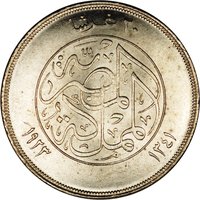
Year: 1923
Islamic (Hijri) Year:: 1341
Issuer: Egypt
Ruler: Ahmed Fuad I
Currency:
(since 1916)
Demonetized: Yes
Total mintage: 19,000
Material
References
KM: #
Numista: #62813
Value
Exchange value: 0.50 EGP
Bullion value: $572.46
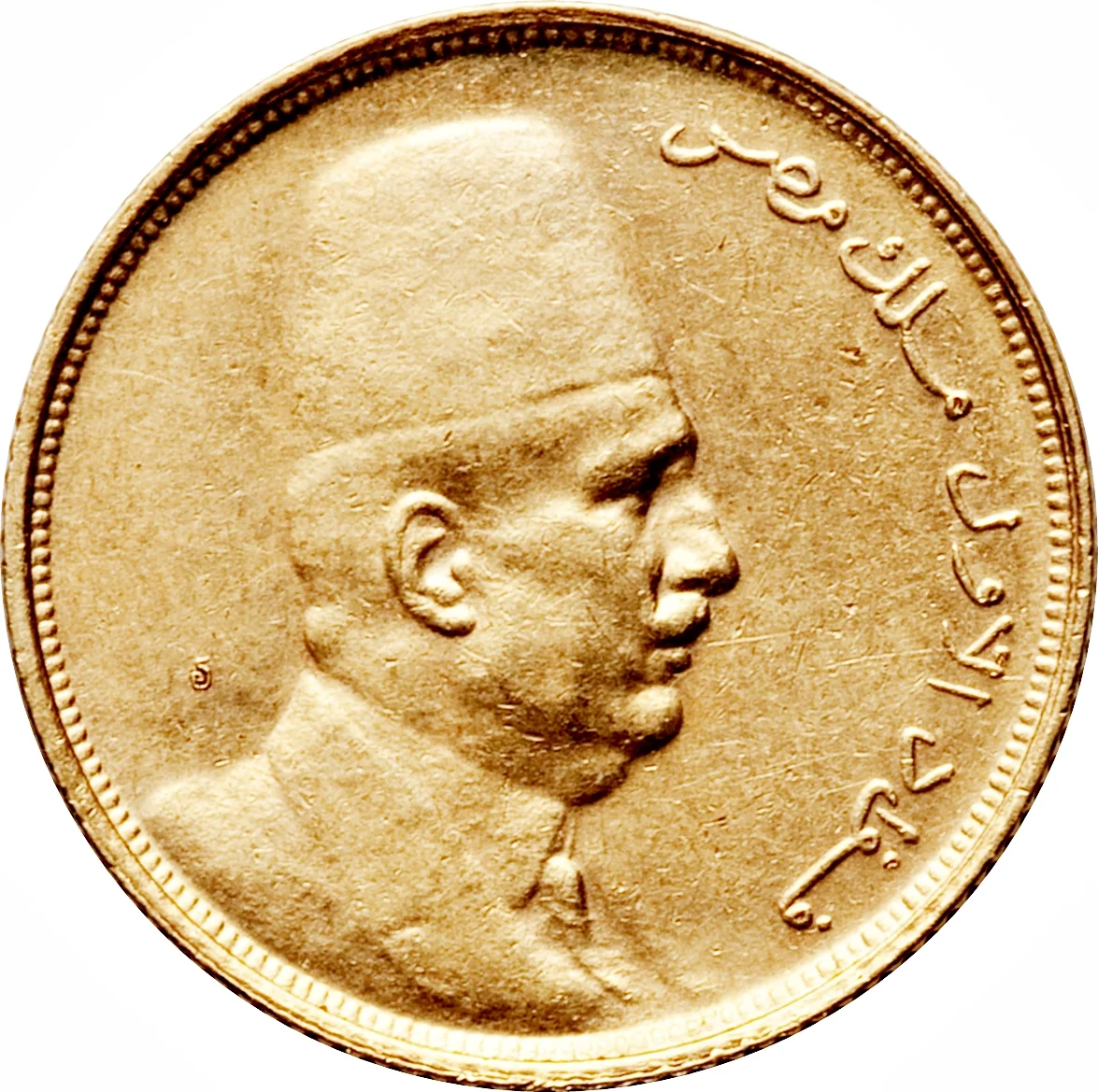
Obverse
Description:
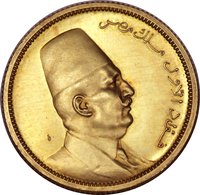
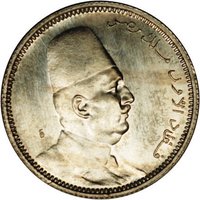
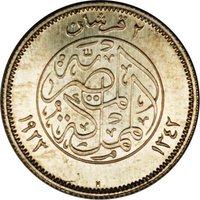
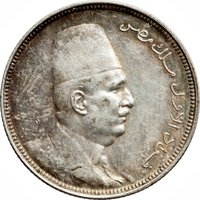
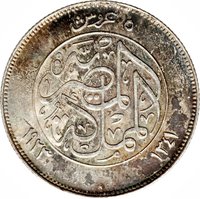
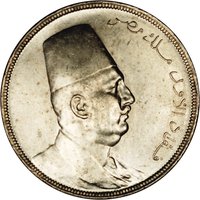
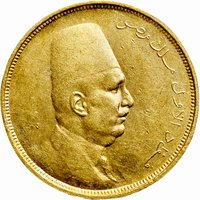
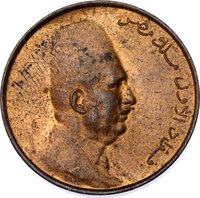
King Fuad in suit, bust right.
Inscription:
فؤاد الأول ملك مصر
Translation:
Fuad I, King of Egypt.
Script: Arabic (naskh)
Language: Arabic
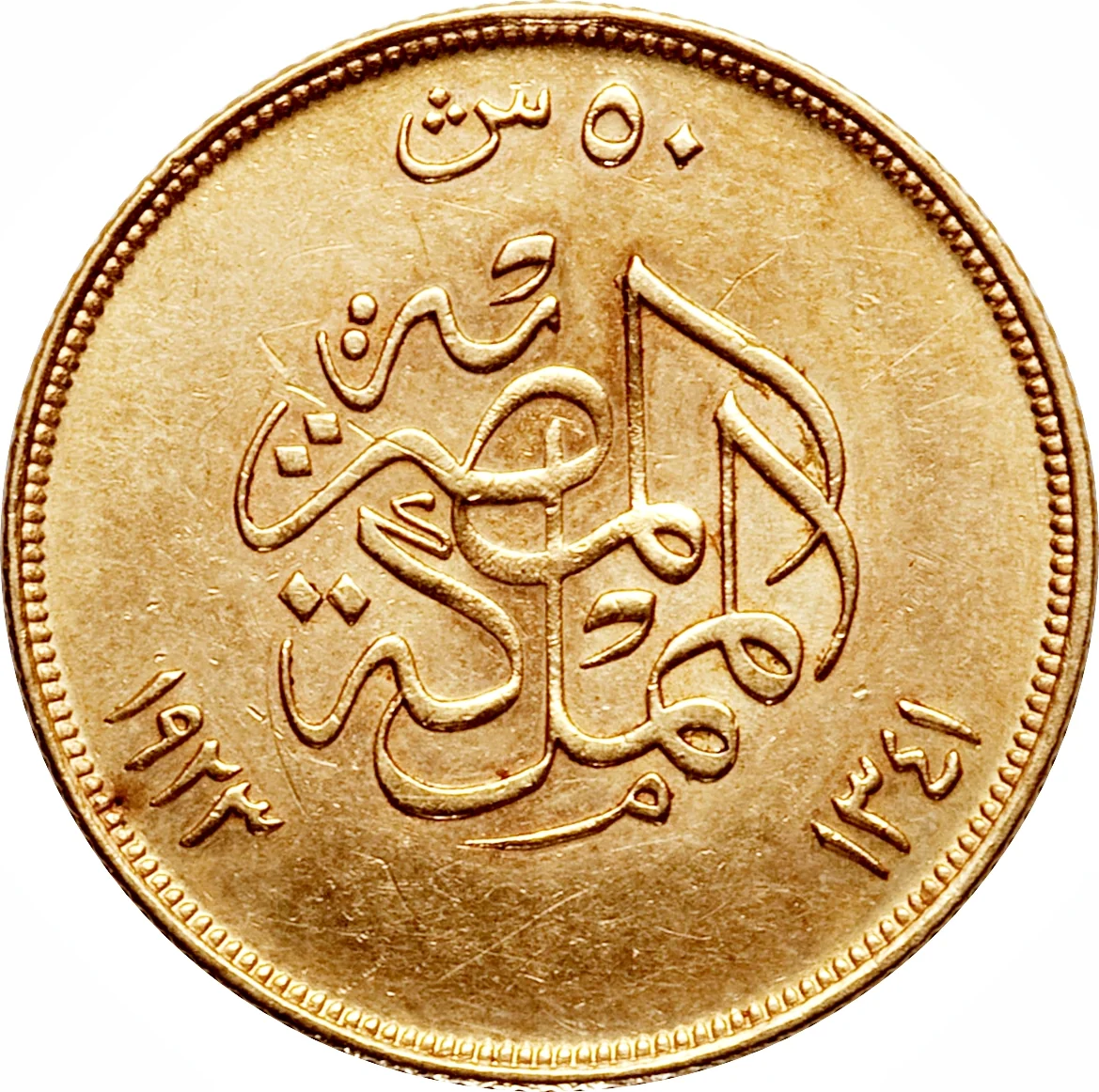
Reverse
Edge
Mints
| Name | Mark |
|---|---|
| Royal Mint (Tower Hill) | — |
Mintings
| Year | Mint Mark | Mintage | Quality | Collection |
|---|---|---|---|---|
| 1923 | — | 19,000 |
Historical background
In 1923, Egypt's currency situation was defined by its transition from the Ottoman Empire's monetary sphere to a de facto British-controlled system, despite the country's nominal independence that same year. The Egyptian pound (EGP), introduced in 1834, was pegged to a bimetallic (gold and silver) standard but had effectively moved to a gold standard by the late 19th century under British influence. By 1923, the Egyptian pound was firmly tied to sterling at a fixed rate of EGP 1 = £1 0s 6d, making it part of the sterling area and ensuring monetary stability heavily dependent on the British economy.
This arrangement was a direct legacy of the British occupation that began in 1882. The National Bank of Egypt, established in 1898, functioned as the central bank and currency board, issuing notes fully backed by gold and sterling reserves held largely in London. Consequently, Egypt's money supply and credit conditions were intrinsically linked to British financial policy and the flow of capital from the metropole, limiting autonomous economic management.
The year 1923 itself was politically pivotal, as it saw the promulgation of a new constitution following Britain's unilateral declaration of Egyptian independence in 1922. However, this political shift did not extend to monetary sovereignty. The currency peg remained a cornerstone of financial policy, favored by foreign investors and the local commercial elite for its stability, but it also symbolized the enduring economic control Britain maintained over key state functions, setting the stage for future nationalist critiques of this dependent financial structure.
This arrangement was a direct legacy of the British occupation that began in 1882. The National Bank of Egypt, established in 1898, functioned as the central bank and currency board, issuing notes fully backed by gold and sterling reserves held largely in London. Consequently, Egypt's money supply and credit conditions were intrinsically linked to British financial policy and the flow of capital from the metropole, limiting autonomous economic management.
The year 1923 itself was politically pivotal, as it saw the promulgation of a new constitution following Britain's unilateral declaration of Egyptian independence in 1922. However, this political shift did not extend to monetary sovereignty. The currency peg remained a cornerstone of financial policy, favored by foreign investors and the local commercial elite for its stability, but it also symbolized the enduring economic control Britain maintained over key state functions, setting the stage for future nationalist critiques of this dependent financial structure.
Series: King Fuad I (Civic Attire)

💎 Extremely Rare