

2 toman – Iran
Add to wishlist
Iran
Context
Year: 1904
Islamic (Hijri) Year:: 1322
Issuer: Iran
Ruler: Mozaffar ad-Din Shah
Currency:
(1825—1932)
Demonetized: Yes
Material
References
KM: #
Numista: #62136
Value
Bullion value: $793.32
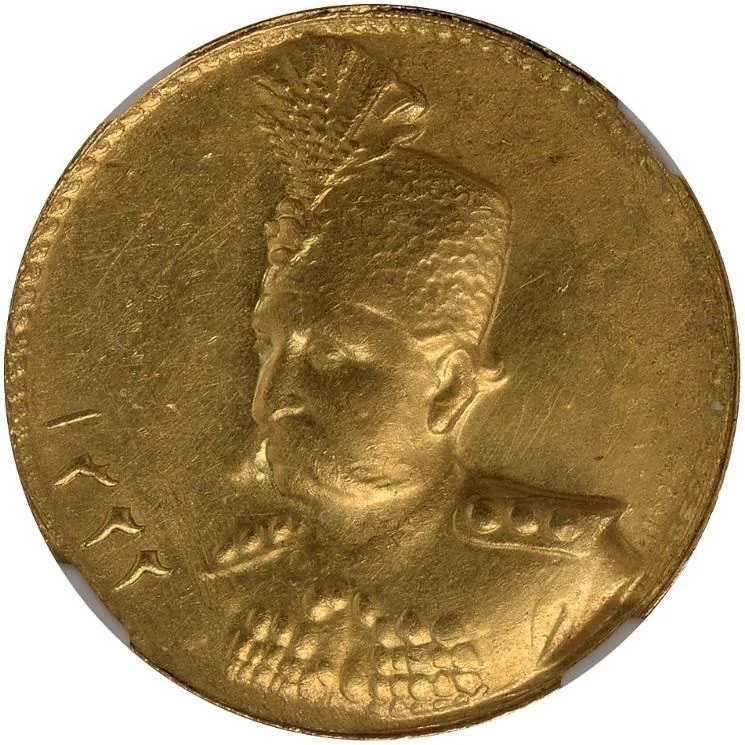
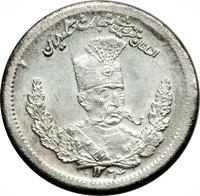
Obverse
Inscription:
۱۳۲۲
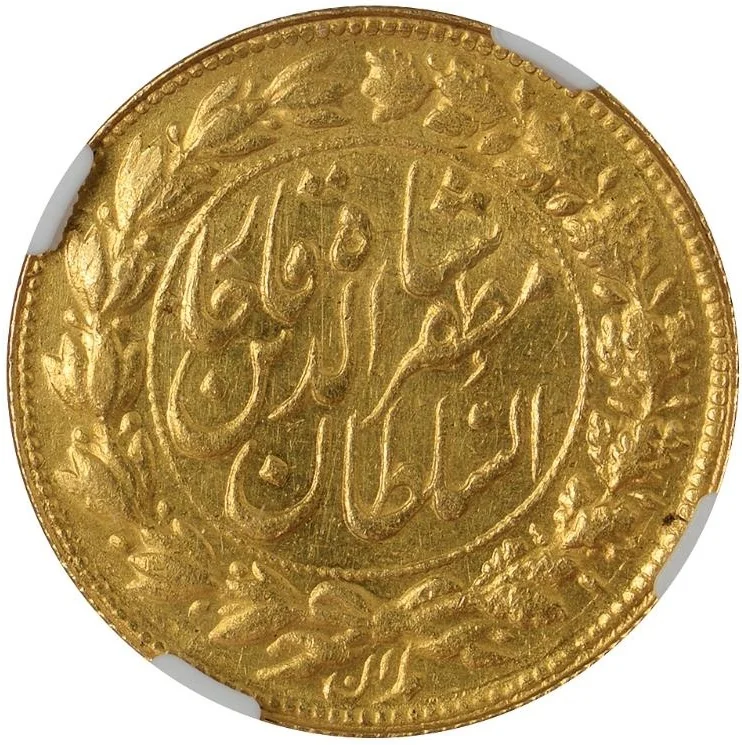
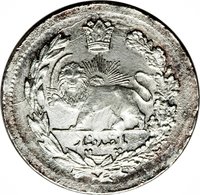
Reverse
Inscription:
السُّلطان مظفرالدین شاه قاجار
طهران
طهران
Translation:
The Sultan Muzaffar al-Din Shah Qajar
Tehran
Tehran
Language: Arabic
Edge
Mintings
| Year | Mint Mark | Mintage | Quality | Collection |
|---|---|---|---|---|
| 1904 | — | — |
Historical background
In 1904, Iran's currency system was a complex and unstable reflection of the country's broader political and economic fragility under the Qajar dynasty. The monetary landscape was characterized by a chaotic multiplicity of coins, both domestic and foreign, circulating simultaneously. The primary unit was the silver qiran (also kran), but its value was unstable due to fluctuating global silver prices and frequent debasement by the government, which often reduced the silver content to fund state expenses. Alongside these, various foreign gold coins like the British sovereign and Russian ruble circulated for larger transactions, while copper shahis and dinars were used for small change, creating a multi-metallic system without fixed exchange rates.
This disarray was exacerbated by a severe lack of centralized monetary authority. There was no national bank to issue uniform paper currency or regulate the money supply. Instead, numerous private banks, often with foreign concessions, issued their own banknotes (chaques) which enjoyed varying degrees of acceptance and trust. The most significant was the Imperial Bank of Persia (British-owned), whose notes were the most credible but still not universally accepted. This fragmentation led to wide discrepancies in exchange rates between cities and even within bazaars, hindering domestic trade and integration into the global economy.
The root causes of this monetary crisis were deeply political. The Qajar state was financially bankrupt, heavily indebted to foreign powers (particularly Russia and Britain), and reliant on concession revenues and high-interest loans. The government's chronic budget deficits were directly financed by debasing the coinage, which fueled inflation and eroded public confidence. Consequently, by 1904, Iran's currency situation was not merely an economic issue but a potent symbol of state weakness and foreign encroachment, contributing to the rising discontent that would erupt in the Constitutional Revolution just two years later.
This disarray was exacerbated by a severe lack of centralized monetary authority. There was no national bank to issue uniform paper currency or regulate the money supply. Instead, numerous private banks, often with foreign concessions, issued their own banknotes (chaques) which enjoyed varying degrees of acceptance and trust. The most significant was the Imperial Bank of Persia (British-owned), whose notes were the most credible but still not universally accepted. This fragmentation led to wide discrepancies in exchange rates between cities and even within bazaars, hindering domestic trade and integration into the global economy.
The root causes of this monetary crisis were deeply political. The Qajar state was financially bankrupt, heavily indebted to foreign powers (particularly Russia and Britain), and reliant on concession revenues and high-interest loans. The government's chronic budget deficits were directly financed by debasing the coinage, which fueled inflation and eroded public confidence. Consequently, by 1904, Iran's currency situation was not merely an economic issue but a potent symbol of state weakness and foreign encroachment, contributing to the rising discontent that would erupt in the Constitutional Revolution just two years later.
✨ Legendary