

2 qiran – Iran
Add to wishlist
Iran
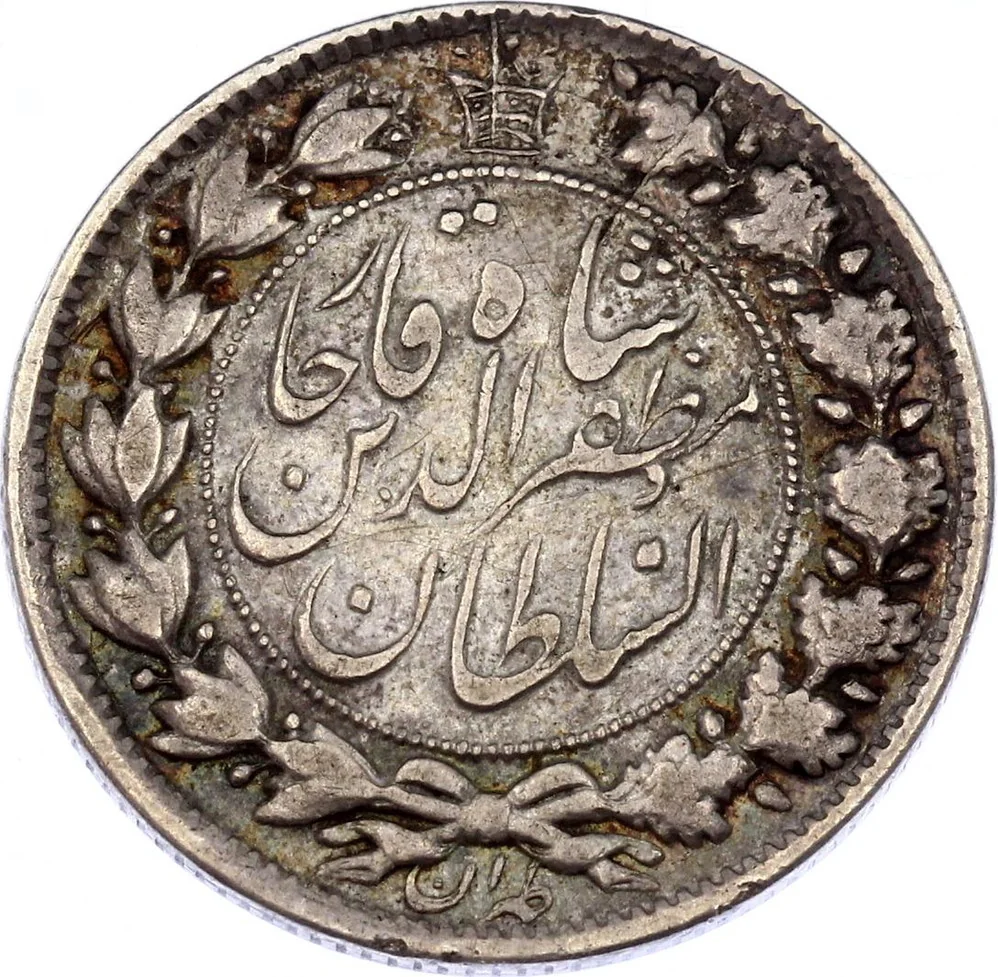
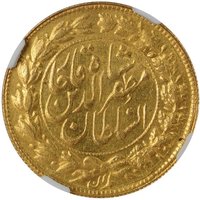
Obverse
Description:
Text encircled by a wreath.
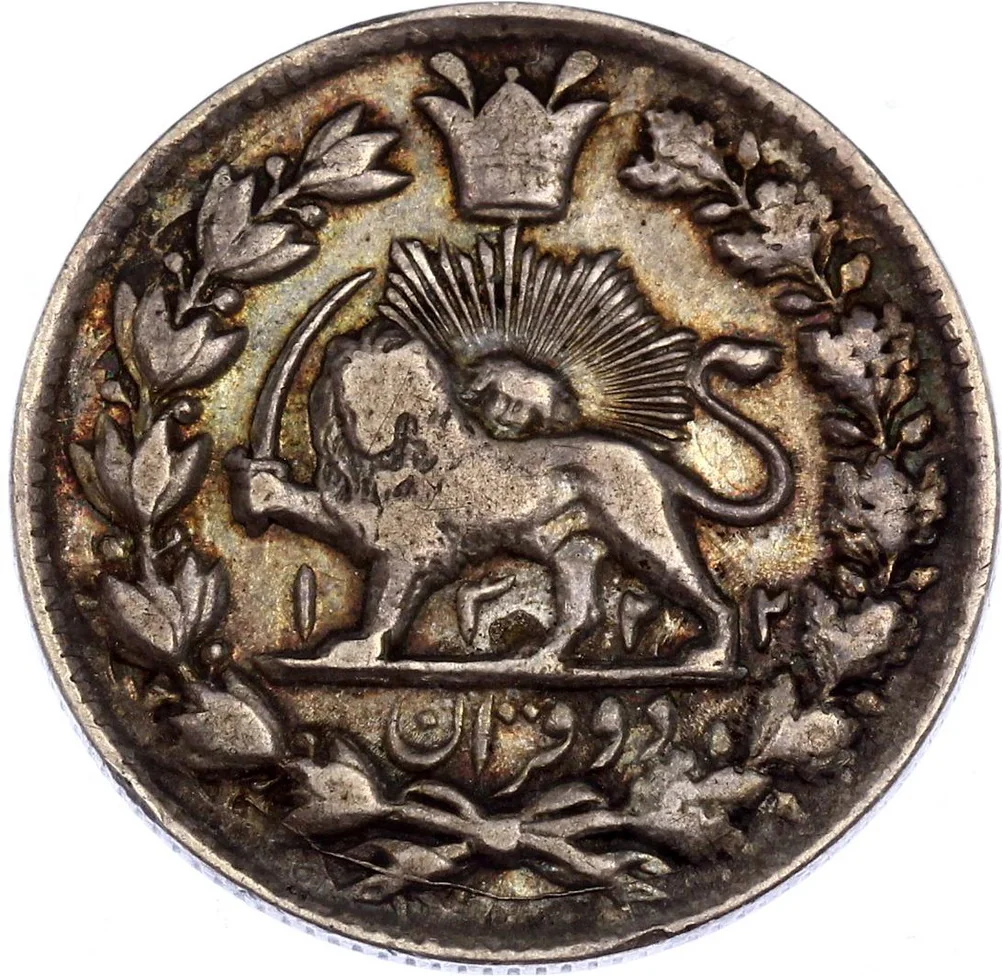
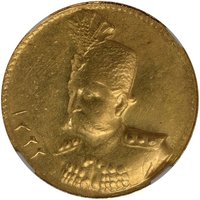
Reverse
Description:
Crowned lion with sword inside a wreath.
Edge
Mintings
| Year | Mint Mark | Mintage | Quality | Collection |
|---|---|---|---|---|
| 1903 | — | — | ||
| 1903 | — | — | ||
| 1904 | — | — |
Historical background
In 1903, Iran's monetary system was in a state of profound disarray, characterized by a chaotic mix of domestic and foreign currencies circulating without central control. The primary unit was the silver qiran (also kran), but its value and silver content had been severely degraded due to decades of fiscal mismanagement by the Qajar dynasty. Compounding this, various provinces and even major cities minted their own copper shahis and puls, which traded against the qiran at wildly fluctuating local rates. This lack of uniform coinage crippled domestic trade and facilitated widespread fraud.
The situation was further destabilized by the heavy influx of foreign currencies, particularly the Russian ruble and the British sovereign, which circulated freely, especially in the northern and southern spheres of influence dominated by those respective empires. These stable foreign coins were often preferred over the debased Iranian currency for significant transactions, undermining national economic sovereignty. The Qajar state, chronically bankrupt and indebted to European powers following the concessionary policies of Nasir al-Din Shah, lacked the bullion reserves and institutional capacity to implement monetary reform.
Consequently, Iran in 1903 suffered from extreme price volatility, a dual exchange rate (one for silver and one for gold), and a deep public distrust in the currency. This monetary anarchy was a direct symptom of the state's weakness and foreign encroachment, exacerbating social unrest and hindering economic development. The crisis would persist until Reza Shah Pahlavi's centralization reforms in the 1920s and 1930s finally introduced a unified national currency.
The situation was further destabilized by the heavy influx of foreign currencies, particularly the Russian ruble and the British sovereign, which circulated freely, especially in the northern and southern spheres of influence dominated by those respective empires. These stable foreign coins were often preferred over the debased Iranian currency for significant transactions, undermining national economic sovereignty. The Qajar state, chronically bankrupt and indebted to European powers following the concessionary policies of Nasir al-Din Shah, lacked the bullion reserves and institutional capacity to implement monetary reform.
Consequently, Iran in 1903 suffered from extreme price volatility, a dual exchange rate (one for silver and one for gold), and a deep public distrust in the currency. This monetary anarchy was a direct symptom of the state's weakness and foreign encroachment, exacerbating social unrest and hindering economic development. The crisis would persist until Reza Shah Pahlavi's centralization reforms in the 1920s and 1930s finally introduced a unified national currency.
💎 Very Rare