

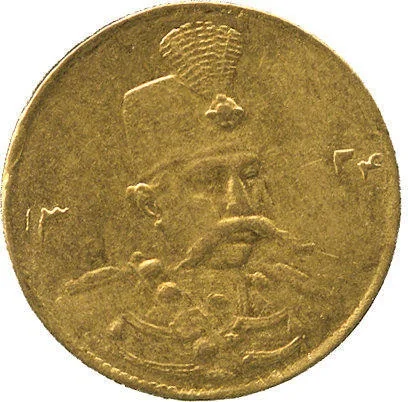
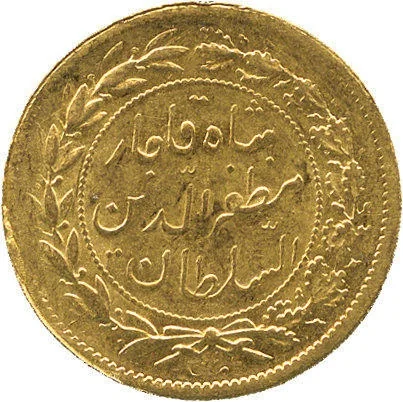
½ toman – Iran
Add to wishlist
Iran
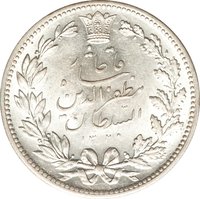
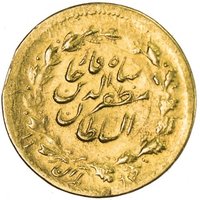
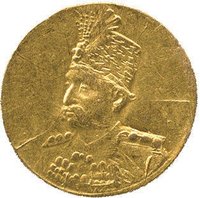
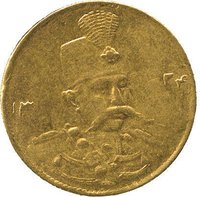
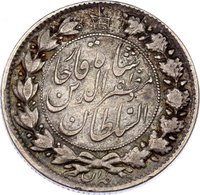
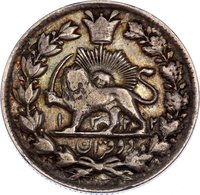
Obverse
Inscription:
۱۳۲۴
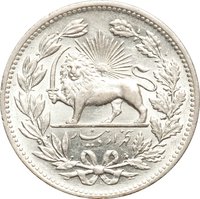
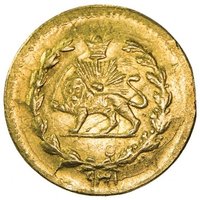
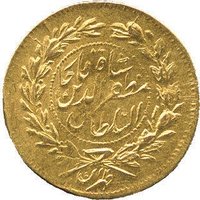
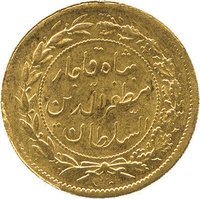
Reverse
Inscription:
السّلطان مظفرالدّین شاه قاجار
طهران
طهران
Translation:
The Sultan Muzaffar al-Din Shah Qajar
Tehran
Tehran
Language: Arabic
Edge
Reeded
Mintings
| Year | Mint Mark | Mintage | Quality | Collection |
|---|---|---|---|---|
| 1902 | — | — | ||
| 1903 | — | — | ||
| 1903 | — | — | ||
| 1904 | — | — | ||
| 1906 | — | — |
Historical background
In 1902, Iran’s currency system was in a state of profound disarray, a legacy of the 19th century's economic mismanagement and foreign interference. The monetary landscape was a chaotic patchwork of domestic and foreign coins. The primary unit was the silver qiran (also kran), but its value had been severely debased over decades, with the actual silver content varying wildly between mints. Circulating alongside it were gold tomans (worth 10 qirans), copper shahis and puls, and a vast influx of foreign coins—particularly Russian rubles and British sovereigns and rupees—which dominated trade in their respective spheres of influence. This lack of a unified, trustworthy standard crippled domestic commerce and complicated international transactions.
The root of the crisis lay in the Qajar dynasty's fiscal woes. Facing empty coffers due to extravagant court spending and costly concessions to foreign powers, the state had resorted to selling monopolies and, most destructively, debasing the coinage. By reducing the silver content in newly minted qirans, the government sought short-term profit but triggered inflation and a loss of public confidence. People hoarded older, purer coins (Gresham's Law in action), while the new, inferior coins flooded the market. Furthermore, the country lacked a central bank, leaving note-issuing to unreliable private banks and lending institutions, which only added to the monetary chaos.
This unstable financial environment was a key symptom of Iran's semi-colonial status at the time. British and Russian economic imperialism, backed by political pressure, meant that external powers heavily influenced fiscal policy to serve their own commercial and strategic interests. The currency crisis of 1902 was therefore not merely a technical financial issue but a reflection of a weakened sovereign state. It set the stage for later, halting attempts at reform, most notably the eventual establishment of the Banque nationale d'Iran in 1927, which would finally introduce a unified national currency and begin to untangle the monetary disorder that had plagued the turn of the century.
The root of the crisis lay in the Qajar dynasty's fiscal woes. Facing empty coffers due to extravagant court spending and costly concessions to foreign powers, the state had resorted to selling monopolies and, most destructively, debasing the coinage. By reducing the silver content in newly minted qirans, the government sought short-term profit but triggered inflation and a loss of public confidence. People hoarded older, purer coins (Gresham's Law in action), while the new, inferior coins flooded the market. Furthermore, the country lacked a central bank, leaving note-issuing to unreliable private banks and lending institutions, which only added to the monetary chaos.
This unstable financial environment was a key symptom of Iran's semi-colonial status at the time. British and Russian economic imperialism, backed by political pressure, meant that external powers heavily influenced fiscal policy to serve their own commercial and strategic interests. The currency crisis of 1902 was therefore not merely a technical financial issue but a reflection of a weakened sovereign state. It set the stage for later, halting attempts at reform, most notably the eventual establishment of the Banque nationale d'Iran in 1927, which would finally introduce a unified national currency and begin to untangle the monetary disorder that had plagued the turn of the century.
Series: 1902 Iran circulation coins
✨ Legendary