

1 gulden – Netherlands
Add to wishlist
Netherlands
Context
Years: 1922–1945
Issuer: Netherlands
Ruler: Wilhelmina
Currency:
(1817—2001)
Demonetized: Yes
Total mintage: 181,575,000
Material
References
KM: #
Numista: #6070
Value
Exchange value: 1 NLG
Bullion value: $17.61
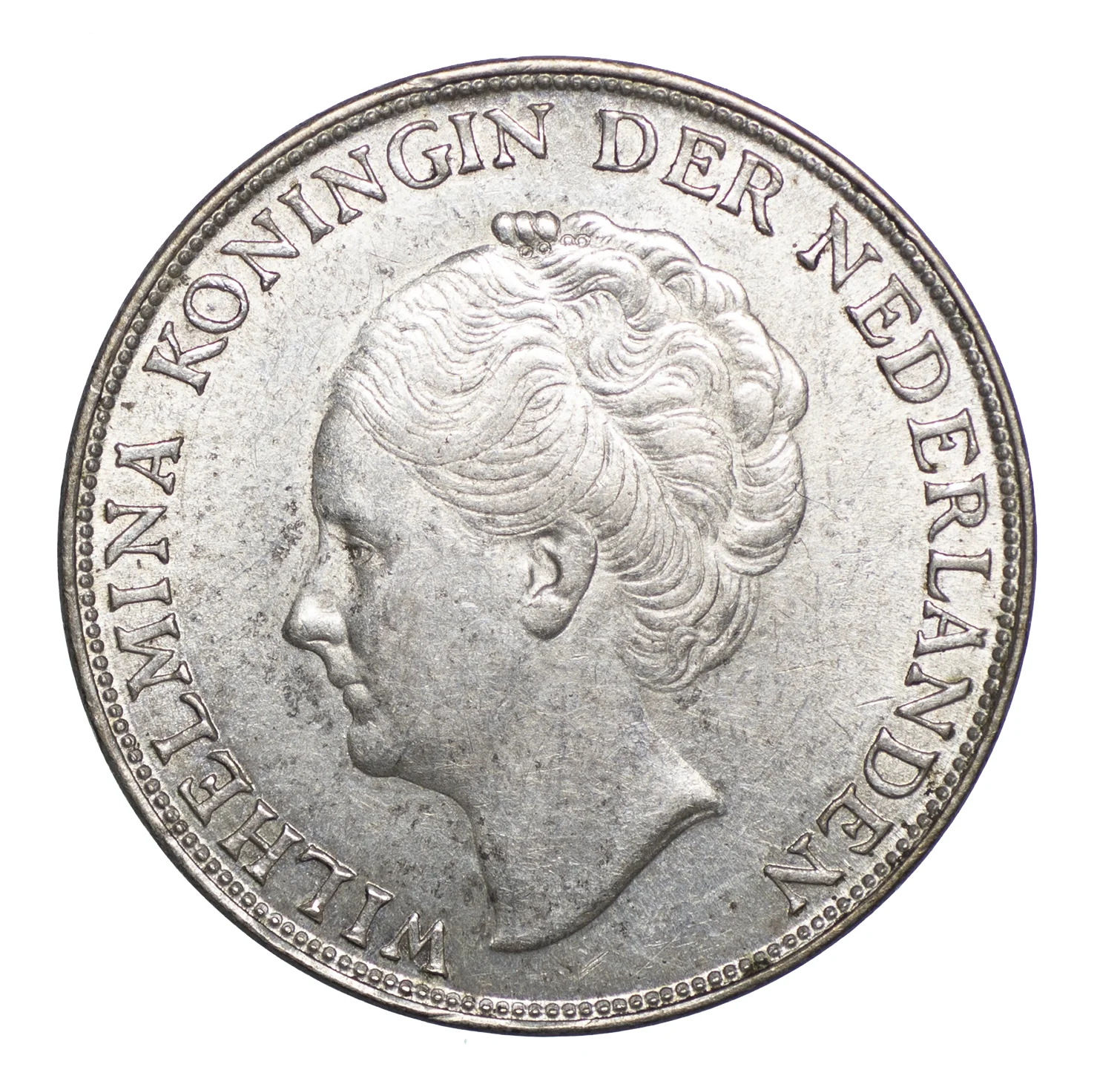
Obverse
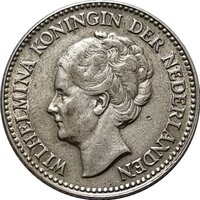
Description:
Queen Wilhelmina left-facing portrait
Inscription:
WILHELMINA KONINGIN DER NEDERLANDEN
Translation:
Wilhelmina Queen of the Netherlands
Script: Latin
Language: Dutch
Designer: Johannes Cornelis Wienecke
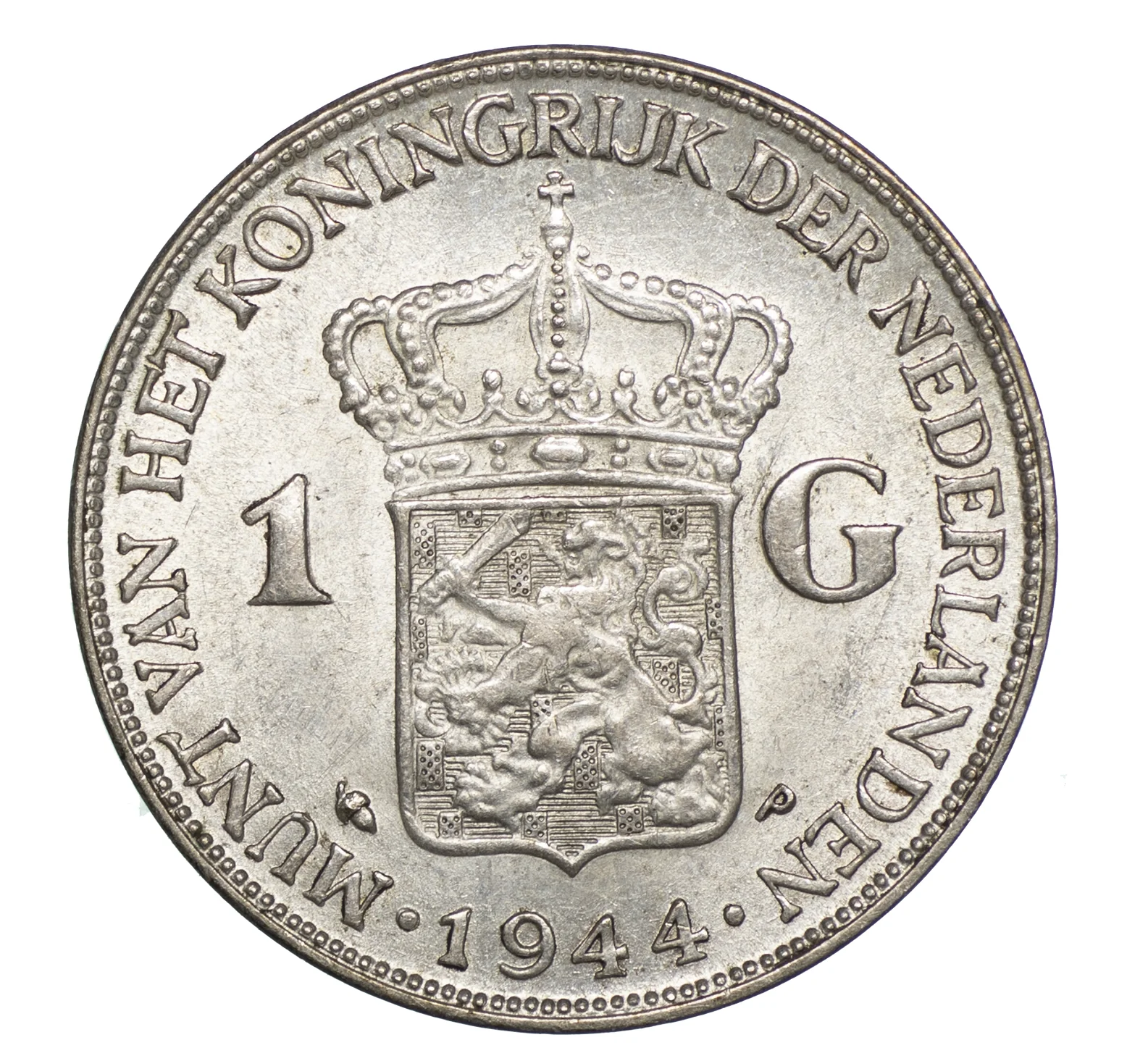
Reverse
Edge
Smooth with incused lettering
Legend:
★ GOD ★ ZIJ ★ MET ★ ONS
Translation:
God be with us
Language: Dutch
Categories
| Symbols> Coat of Arms |
Mints
| Name | Mark |
|---|---|
| Royal Dutch Mint | — |
| United States Mint of Philadelphia | P |
Mintings
Historical background
In 1922, the Netherlands was navigating a complex post-war currency landscape, characterized by the struggle to restore the pre-war gold standard and manage inflationary pressures. Unlike many European nations that experienced hyperinflation, the Netherlands had maintained a policy of strict neutrality during World War I, which provided some economic insulation. However, the war had still forced the government to suspend gold convertibility in 1914, leading to a controlled but significant expansion of the money supply and a depreciation of the Dutch guilder against currencies like the US dollar.
The core monetary policy objective in the early 1920s, championed by the President of De Nederlandsche Bank (the central bank), Dr. Gerard Vissering, was a return to the gold standard at the pre-war parity. This was seen as essential for restoring international confidence and trade. To achieve this, the bank pursued a deflationary policy, tightening credit and accumulating gold reserves. This deliberate policy made the guilder strong but also kept interest rates high, creating tension between the goals of monetary stability and economic growth, particularly for exporters and industries struggling with post-war adjustment.
Consequently, by 1922, the Dutch economy was in a period of painful stabilization. The guilder was appreciating, and prices were beginning to fall, but this came at the cost of a sharp economic downturn and rising unemployment. The situation sparked significant political and public debate about the pace and social cost of restoring the gold standard. Thus, the currency situation in 1922 was one of deliberate deflationary pressure, setting the stage for the eventual successful return to gold in 1925, but not without imposing considerable short-term economic hardship on the nation.
The core monetary policy objective in the early 1920s, championed by the President of De Nederlandsche Bank (the central bank), Dr. Gerard Vissering, was a return to the gold standard at the pre-war parity. This was seen as essential for restoring international confidence and trade. To achieve this, the bank pursued a deflationary policy, tightening credit and accumulating gold reserves. This deliberate policy made the guilder strong but also kept interest rates high, creating tension between the goals of monetary stability and economic growth, particularly for exporters and industries struggling with post-war adjustment.
Consequently, by 1922, the Dutch economy was in a period of painful stabilization. The guilder was appreciating, and prices were beginning to fall, but this came at the cost of a sharp economic downturn and rising unemployment. The situation sparked significant political and public debate about the pace and social cost of restoring the gold standard. Thus, the currency situation in 1922 was one of deliberate deflationary pressure, setting the stage for the eventual successful return to gold in 1925, but not without imposing considerable short-term economic hardship on the nation.
🌱 Very Common