

¼ real – Caracas
Add to wishlist
Venezuela
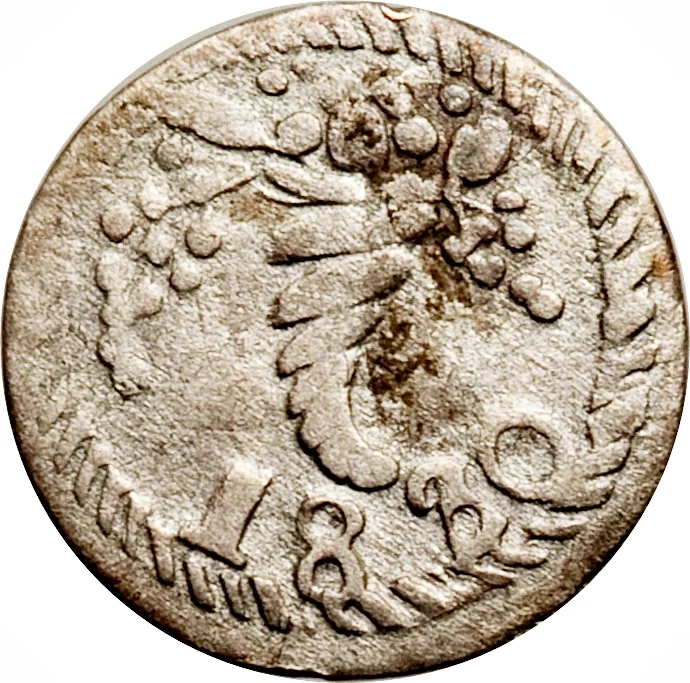
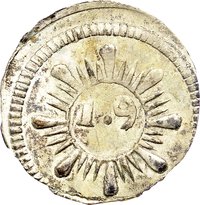
Obverse
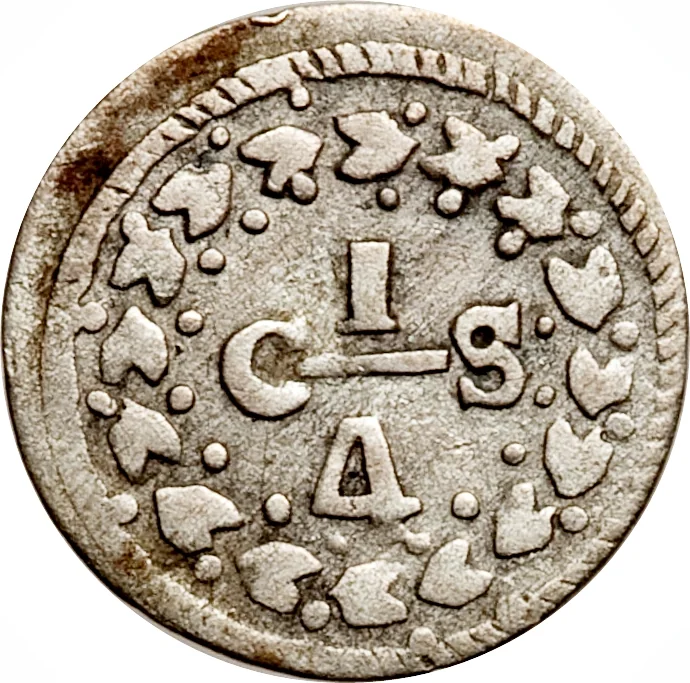
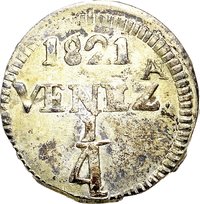
Reverse
Edge
Categories
| Symbol> Cornucopia |
Mints
| Name | Mark |
|---|---|
| Caracas | — |
Mintings
| Year | Mint Mark | Mintage | Quality | Collection |
|---|---|---|---|---|
| 1829 | — | 750,000 | ||
| 1830 | — | 650,000 |
Historical background
In 1829, Caracas existed within the volatile economic landscape of the recently dissolved Republic of Gran Colombia. As the capital of the Department of Venezuela, the city grappled with a severe monetary crisis characterized by a chaotic circulation of diverse and depreciated coinage. The primary medium of exchange was a mix of clipped and worn Spanish colonial silver coins, like pesos and reales, alongside a limited supply of foreign coins, particularly from Britain and the United States. The absence of a unified, trusted national currency severely hampered commerce and fostered widespread uncertainty.
This monetary disarray was a direct legacy of the independence wars (1810-1823), which had drained the region's silver reserves and destroyed mining production. The Gran Colombian government's attempt to introduce a new national currency, the peso colombiano, had largely failed in Venezuela due to public distrust and insufficient minting. Consequently, the value of coins was determined not by face value but by their actual weight and silver content, leading to complex calculations and frequent disputes in everyday transactions. This environment encouraged hoarding of full-weight coins and the circulation of debased ones, further contracting the money supply.
The situation in Caracas was more than an inconvenience; it was a significant obstacle to economic recovery and political stability. Merchants and the commercial class faced immense difficulty in conducting reliable business, which stifled trade and investment. This monetary instability fueled political discontent and strengthened the hand of local separatists, led by José Antonio Páez, who argued that Venezuela needed its own sovereign institutions to manage its fiscal and monetary affairs. Thus, the currency chaos of 1829 was a key factor propelling Venezuela toward its formal secession from Gran Colombia the following year.
This monetary disarray was a direct legacy of the independence wars (1810-1823), which had drained the region's silver reserves and destroyed mining production. The Gran Colombian government's attempt to introduce a new national currency, the peso colombiano, had largely failed in Venezuela due to public distrust and insufficient minting. Consequently, the value of coins was determined not by face value but by their actual weight and silver content, leading to complex calculations and frequent disputes in everyday transactions. This environment encouraged hoarding of full-weight coins and the circulation of debased ones, further contracting the money supply.
The situation in Caracas was more than an inconvenience; it was a significant obstacle to economic recovery and political stability. Merchants and the commercial class faced immense difficulty in conducting reliable business, which stifled trade and investment. This monetary instability fueled political discontent and strengthened the hand of local separatists, led by José Antonio Páez, who argued that Venezuela needed its own sovereign institutions to manage its fiscal and monetary affairs. Thus, the currency chaos of 1829 was a key factor propelling Venezuela toward its formal secession from Gran Colombia the following year.
✨ Legendary