

1 Dam – Nepal
Nepal
Context

Material
References
KM: #Click to copy to clipboard593
Numista: #59023
Value
Bullion value: $0.15
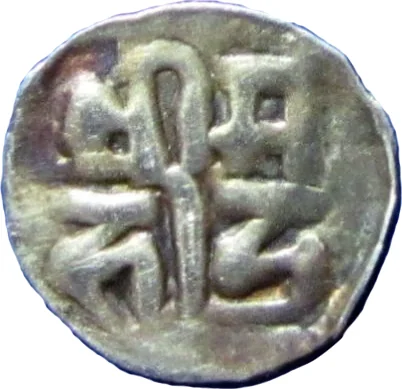
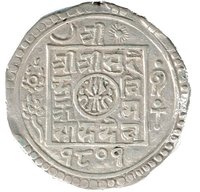
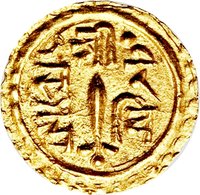
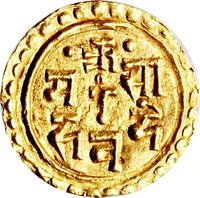
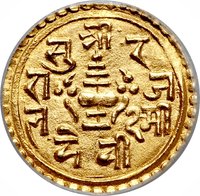
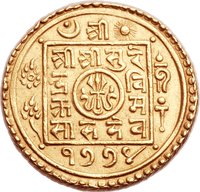
Obverse
Description:
Sri Surendra (Nagari)
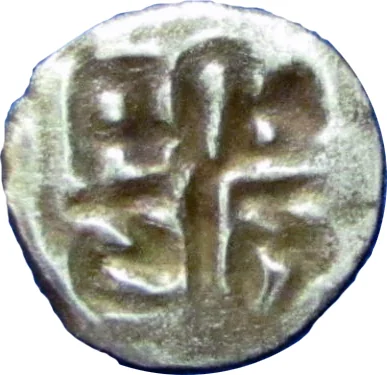
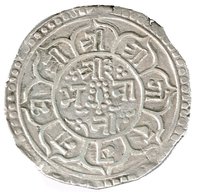
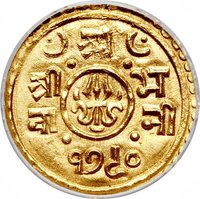
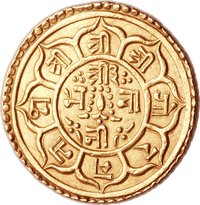
Reverse
Edge
Plain
Mintings
| Year | Mint Mark | Mintage | Quality | Collection |
|---|---|---|---|---|
| — | — | — |
Historical background
In 1847, Nepal's currency situation was characterized by a complex and fragmented system under the absolute rule of the Rana dynasty, which had seized power just two years prior. The monetary landscape was not unified, with various silver and copper coins circulating from different periods of the Shah monarchy. The primary silver coin was the Mohar, but its weight and purity were inconsistent. Alongside these, older coins like the Dam (copper) and imported Indian rupees, particularly from the neighbouring British territories, were also in use, creating a challenging environment for trade and taxation.
The state's minting was decentralized and often debased. Coins were struck in mints located in Kathmandu, Bhaktapur, and Patan, with little standardization. The Rana regime, focused on consolidating political power and extracting wealth for the ruling family, did not initially prioritize monetary reform. Revenue was largely collected in kind (agricultural produce), and coins served more for military payments, elite transactions, and limited external trade. This lack of a strong, centralized currency reflected Nepal's relatively isolated and agrarian economy at the time.
Furthermore, the currency system was directly influenced by the political economy of the era. The Treaty of Sugaulti (1816) with the British East India Company, which had imposed a large indemnity, continued to strain Nepal's treasury. While the immediate indemnity was paid, the economic constraints it created lingered. The Rana rulers, beginning with Jang Bahadur Rana, would later standardize the currency (introducing the silver Rupiye in the 1860s), but in 1847, the system remained a legacy of the past—a non-uniform, precious-metal-based currency struggling to meet the needs of a state under new and autocratic leadership.
The state's minting was decentralized and often debased. Coins were struck in mints located in Kathmandu, Bhaktapur, and Patan, with little standardization. The Rana regime, focused on consolidating political power and extracting wealth for the ruling family, did not initially prioritize monetary reform. Revenue was largely collected in kind (agricultural produce), and coins served more for military payments, elite transactions, and limited external trade. This lack of a strong, centralized currency reflected Nepal's relatively isolated and agrarian economy at the time.
Furthermore, the currency system was directly influenced by the political economy of the era. The Treaty of Sugaulti (1816) with the British East India Company, which had imposed a large indemnity, continued to strain Nepal's treasury. While the immediate indemnity was paid, the economic constraints it created lingered. The Rana rulers, beginning with Jang Bahadur Rana, would later standardize the currency (introducing the silver Rupiye in the 1860s), but in 1847, the system remained a legacy of the past—a non-uniform, precious-metal-based currency struggling to meet the needs of a state under new and autocratic leadership.
Series: 1847 Nepal circulation coins

✨ Legendary