

1 larin – Maldives
Add to wishlist
Maldives
Context
Years: 1900–1901
Issuer: Maldives
Ruler: Muhammad Imaaduddeen VI
Currency:
(1660—1947)
Demonetized: Yes
Material
References
KM: #
Numista: #58953
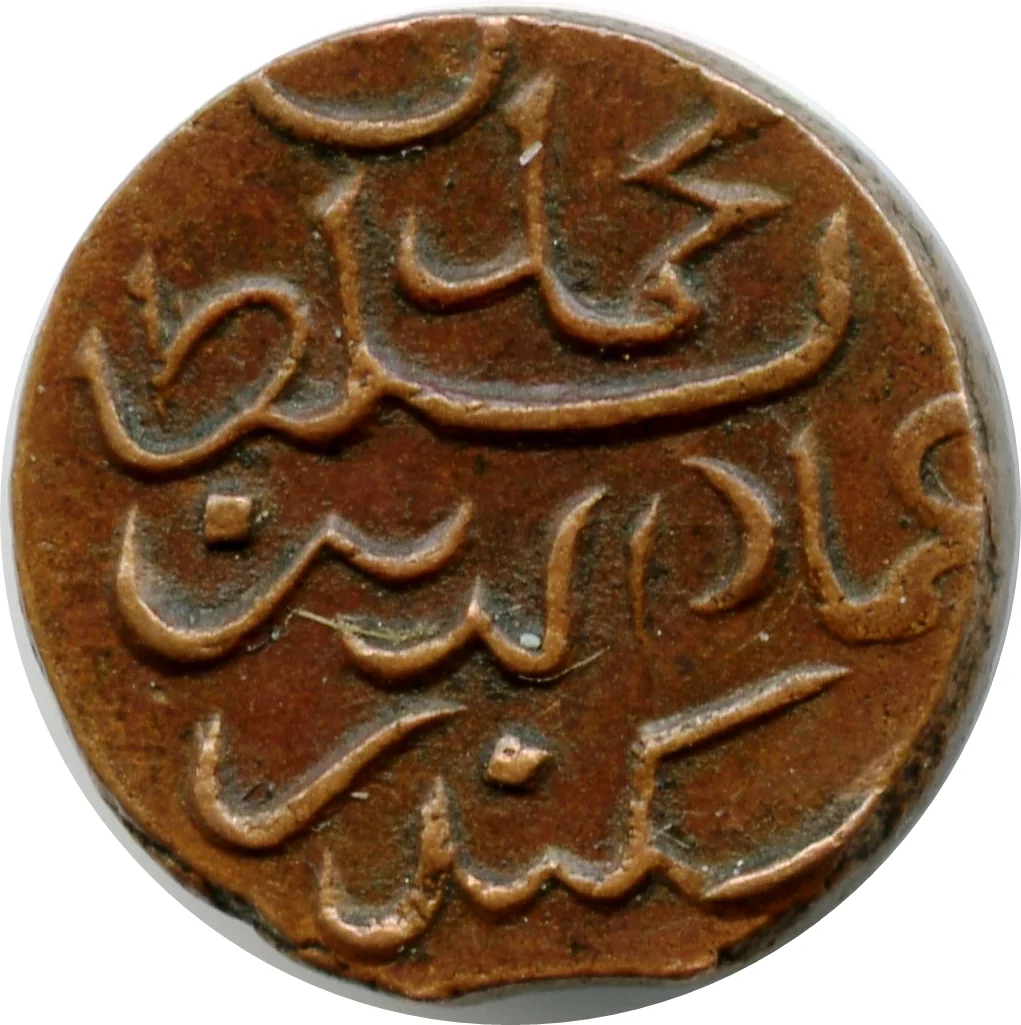
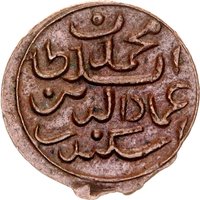
Obverse
Description:
AH1318 (1900 AD)
Inscription:
سلطان محمد
اماد الدين
اسكندر
اماد الدين
اسكندر
Translation:
Sultan Muhammad
'Imad al-Din
Iskandar
'Imad al-Din
Iskandar
Language: Arabic
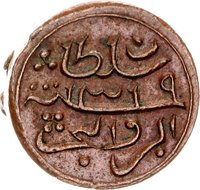
Reverse
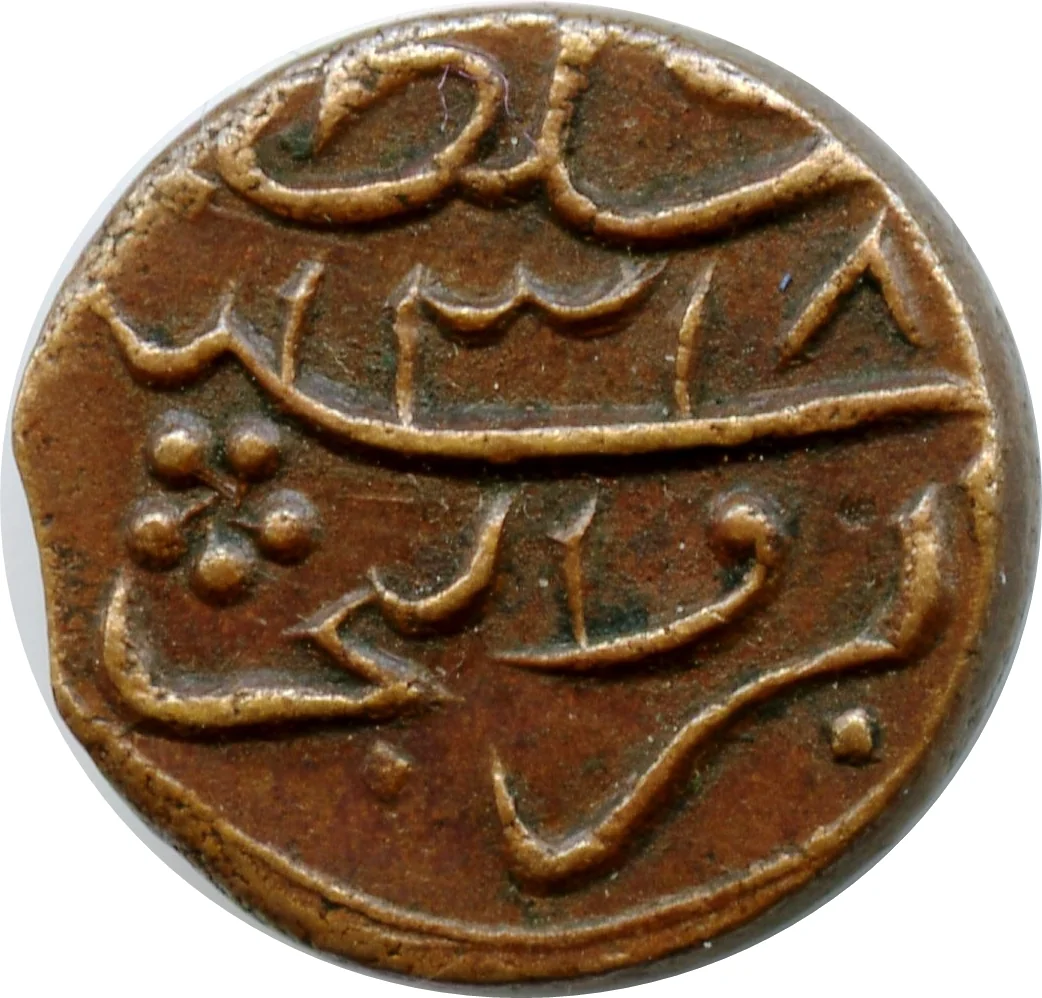
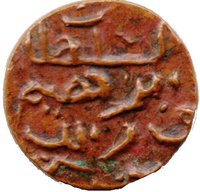
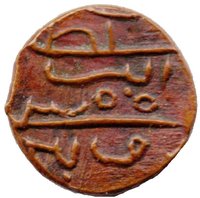
Inscription:
سلطان
١٣١٨
سنة
البر والبحر
١٣١٨
سنة
البر والبحر
Translation:
Sultan
Year 1318
The Land and the Sea
Year 1318
The Land and the Sea
Language: Arabic
Edge
Plain
Mintings
| Year | Mint Mark | Mintage | Quality | Collection |
|---|---|---|---|---|
| 1900 | — | — | ||
| 1901 | — | — |
Historical background
At the turn of the 20th century, the Maldives operated under a traditional and largely self-contained monetary system, isolated from the global financial currents of the era. The official currency was the Larín, a small, bent silver wire or hook-shaped token with a history stretching back centuries in the Indian Ocean trade. However, the reality of daily exchange was more complex, with transactions often conducted through a system of barter (particularly for local goods like dried fish, coir rope, and coconut oil) and the widespread use of cowrie shells (Cypraea moneta) as small change. This reflected a subsistence economy where external trade was limited and monetization was not fully complete.
Despite being a British protectorate since 1887, the Maldives did not adopt the Indian Rupee, which was the official currency of the British Indian Empire that dominated the region. British authority was minimal, concerned primarily with external defense and preventing other colonial powers from establishing a presence. Consequently, London had no impetus to impose monetary reform on the archipelago's internal economy. Foreign trade, mainly with Ceylon (Sri Lanka) and India, was conducted using silver Indian Rupees and British Sovereigns, which entered the Maldivian economy through merchants and were held as high-value instruments for external commerce.
Thus, the currency situation in 1900 was one of dual circulation and transition. The traditional Larín, barter, and cowries served the local, inward-looking economy, while foreign coinage facilitated the limited but vital external trade links. This hybrid system underscored the Maldives' unique position: politically connected to the British Empire yet retaining its ancient economic traditions and social structures, with a monetary system that had changed little for hundreds of years but would begin to face modernization pressures in the coming decades.
Despite being a British protectorate since 1887, the Maldives did not adopt the Indian Rupee, which was the official currency of the British Indian Empire that dominated the region. British authority was minimal, concerned primarily with external defense and preventing other colonial powers from establishing a presence. Consequently, London had no impetus to impose monetary reform on the archipelago's internal economy. Foreign trade, mainly with Ceylon (Sri Lanka) and India, was conducted using silver Indian Rupees and British Sovereigns, which entered the Maldivian economy through merchants and were held as high-value instruments for external commerce.
Thus, the currency situation in 1900 was one of dual circulation and transition. The traditional Larín, barter, and cowries served the local, inward-looking economy, while foreign coinage facilitated the limited but vital external trade links. This hybrid system underscored the Maldives' unique position: politically connected to the British Empire yet retaining its ancient economic traditions and social structures, with a monetary system that had changed little for hundreds of years but would begin to face modernization pressures in the coming decades.
⭐ Somewhat Rare