

8 doubles – Guernsey
Add to wishlist
Context
Years: 1914–1949
Country: British Crown dependencies
Issuer: Guernsey
Ruler: George V
Currency:
(1808—1971)
Demonetized: Yes
Total mintage: 1,377,000
Material
References
KM: #
Numista: #5685
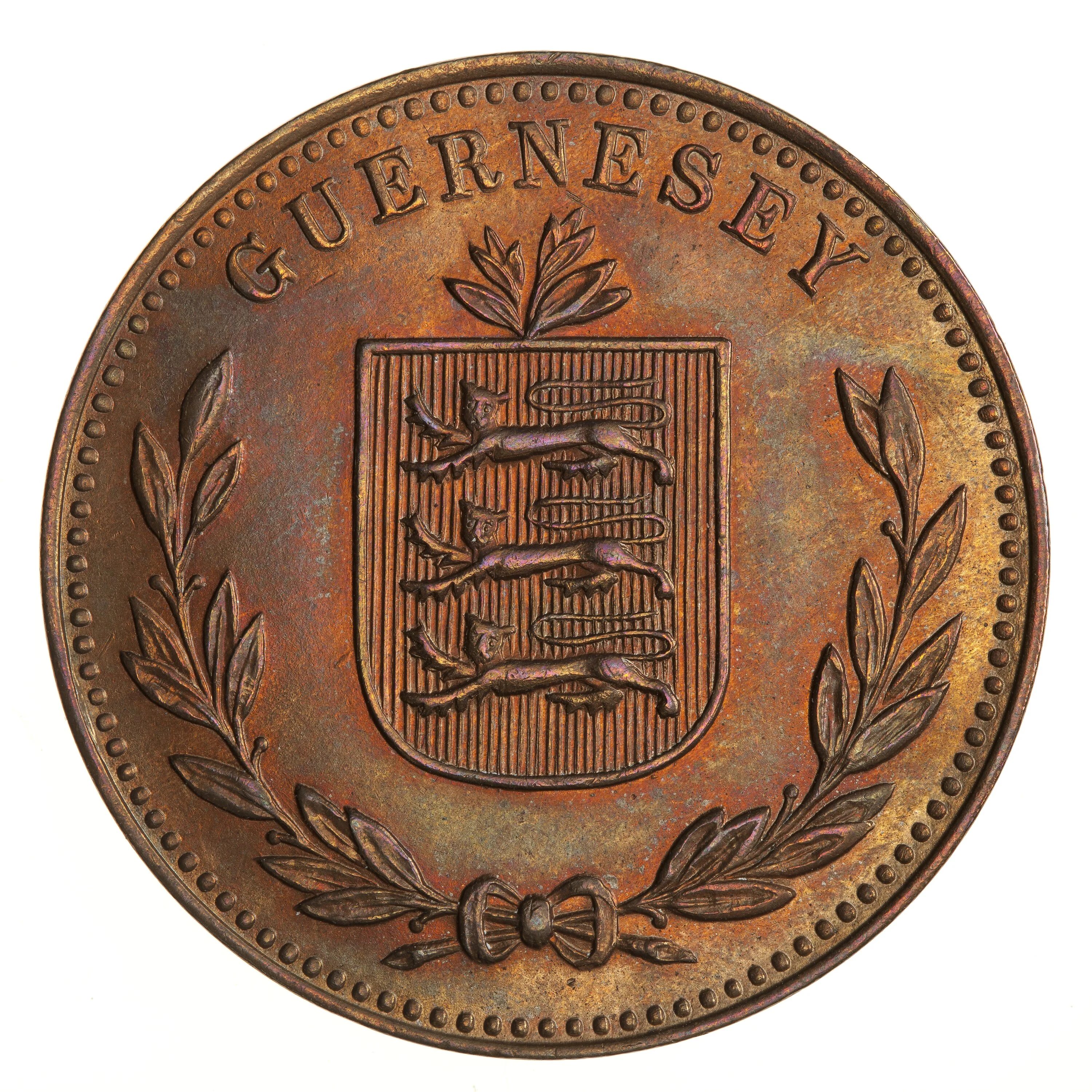
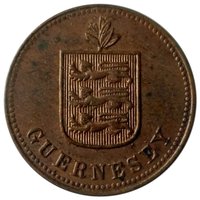
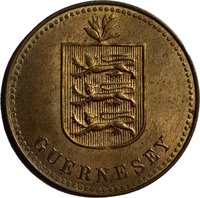
Obverse
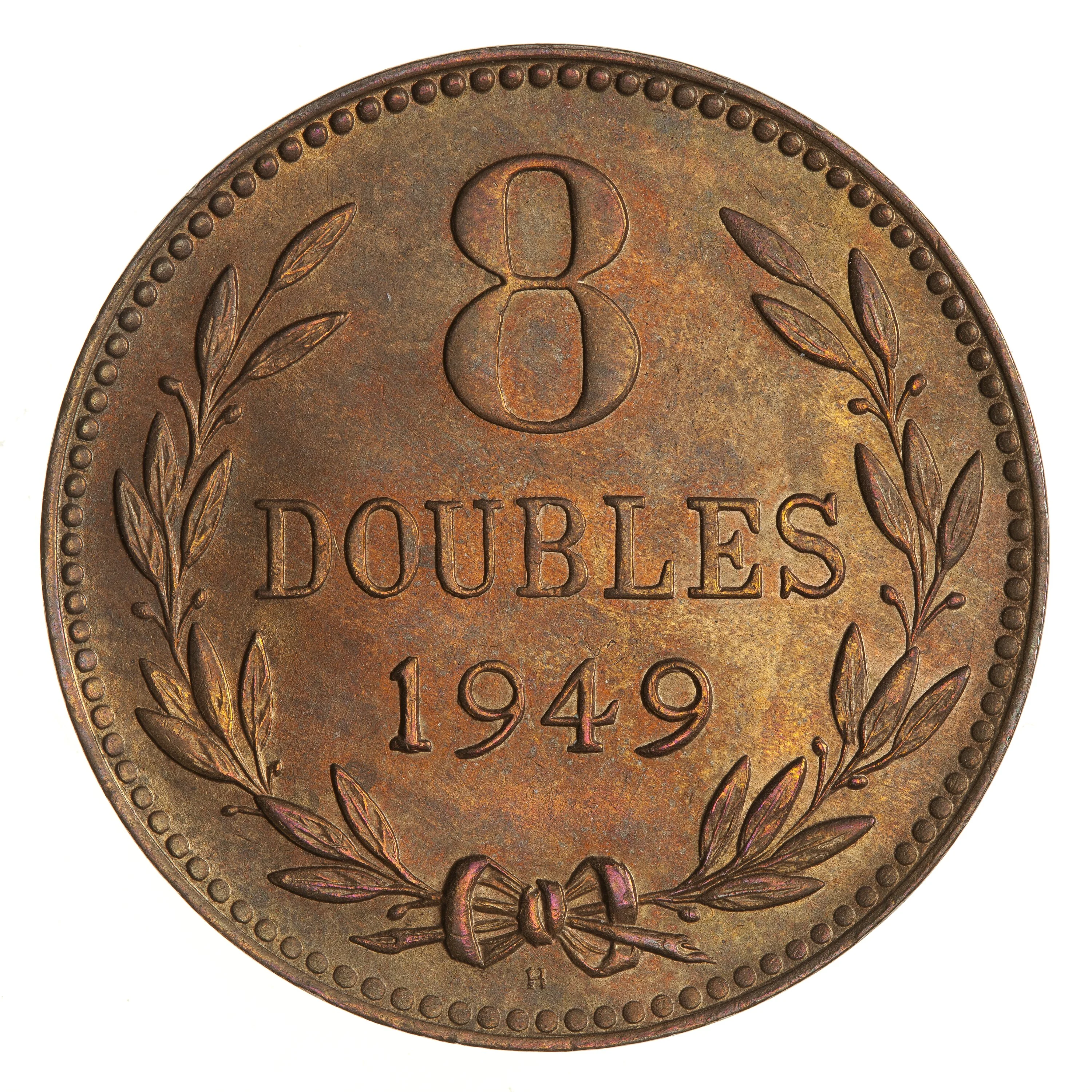
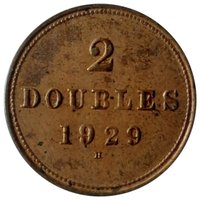
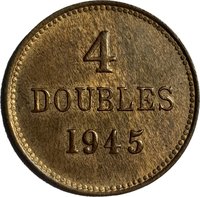
Reverse
Description:
Denomination above date in wreath, surrounded by beaded circle.
Inscription:
8
DOUBLES
1949
H
DOUBLES
1949
H
Script: Latin
Edge
Plain
Categories
| Symbols> Coat of Arms |
Mints
| Name | Mark |
|---|---|
| Heaton and Sons / The Mint Birmingham | H |
Mintings
Historical background
In 1914, Guernsey, like the rest of the British Isles, faced immediate monetary disruption following the outbreak of the First World War. The British government's declaration of war in August led to a loss of public confidence in banknotes, triggering a widespread hoarding of gold and silver coinage. This created a severe shortage of physical currency in circulation, threatening daily commerce on the island. While Guernsey had its own local coinage and was not part of the UK's formal currency system, it relied heavily on British sterling, and the crisis in London directly impacted the island's liquidity.
The States of Guernsey moved swiftly to address the emergency. On 6th August 1914, they authorised the issue of £17,350 in Guernsey Treasury Notes, in denominations of £1 and 5 shillings. These were not legal tender but were promissory notes from the States, intended as a temporary emergency measure to facilitate trade and replace the vanished specie. Crucially, this local action preceded the UK's own Currency and Bank Notes Act of 6th August, which introduced the first British Treasury notes (later "Bradburys").
The situation stabilised as the war progressed, with the Guernsey notes remaining in circulation alongside subsequent UK issues. This episode highlighted the island's fiscal autonomy and its government's capacity for swift, pragmatic action in a crisis. The 1914 emergency issue laid a direct precedent for Guernsey's modern, independent banknote system, which continues to this day, albeit with notes now issued by commercial banks under States' licence rather than by the Treasury itself.
The States of Guernsey moved swiftly to address the emergency. On 6th August 1914, they authorised the issue of £17,350 in Guernsey Treasury Notes, in denominations of £1 and 5 shillings. These were not legal tender but were promissory notes from the States, intended as a temporary emergency measure to facilitate trade and replace the vanished specie. Crucially, this local action preceded the UK's own Currency and Bank Notes Act of 6th August, which introduced the first British Treasury notes (later "Bradburys").
The situation stabilised as the war progressed, with the Guernsey notes remaining in circulation alongside subsequent UK issues. This episode highlighted the island's fiscal autonomy and its government's capacity for swift, pragmatic action in a crisis. The 1914 emergency issue laid a direct precedent for Guernsey's modern, independent banknote system, which continues to this day, albeit with notes now issued by commercial banks under States' licence rather than by the Treasury itself.
🌱 Very Common