

1 Pound – United Kingdom
United Kingdom
Context
Year: 1983
Issuer: United Kingdom 
Ruler: Elizabeth II
Currency:
(since 1971)
Demonetization: 15 October 2017
Total mintage: 50,000
Material
References
KM: #Click to copy to clipboard933a
Numista: #56275
Value
Exchange value: 1 GBP = $1.35
Bullion value: $24.98
Inflation-adjusted value: 4.51 GBP
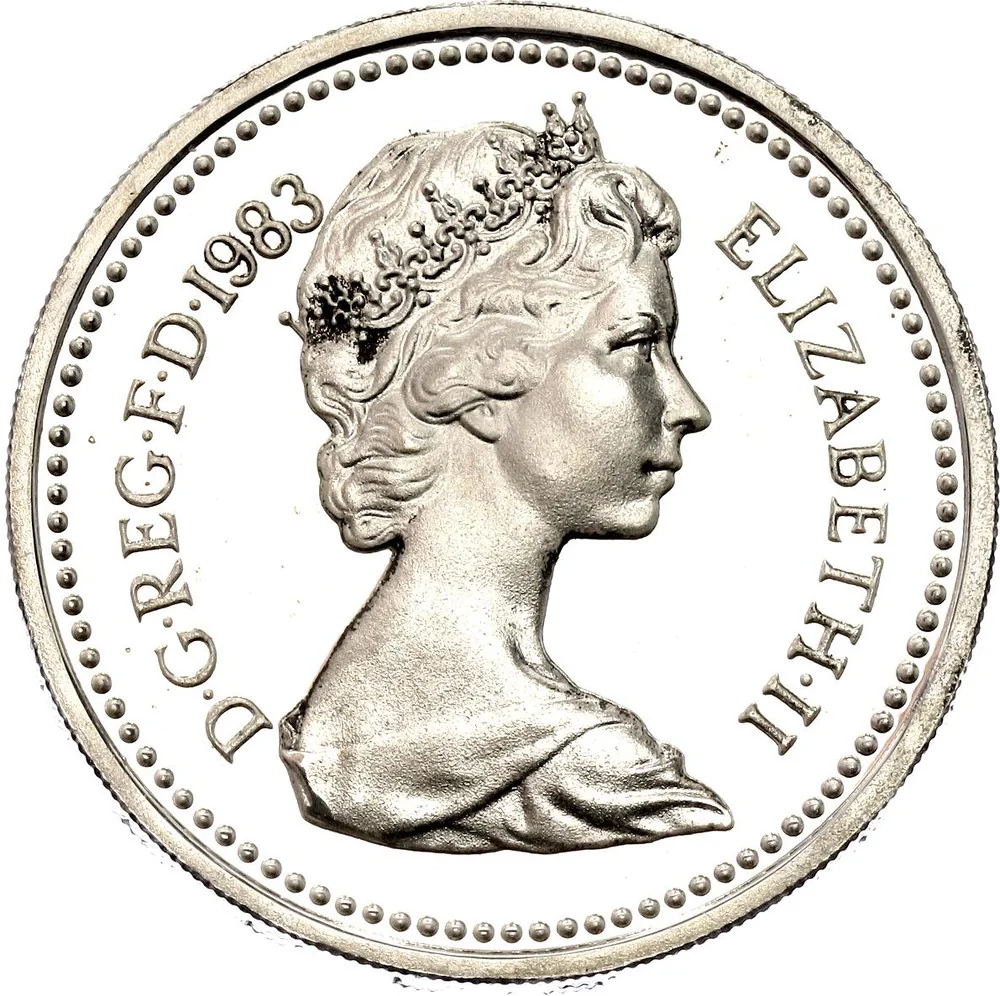
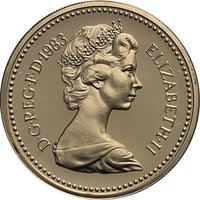
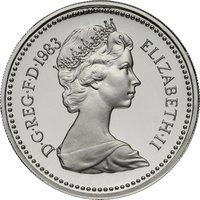
Obverse
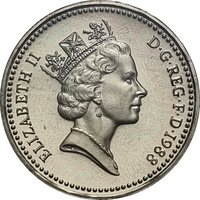
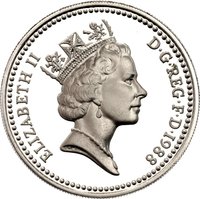
Description:
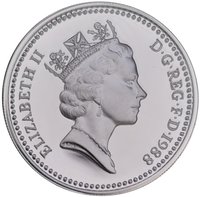
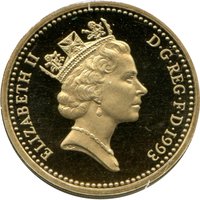
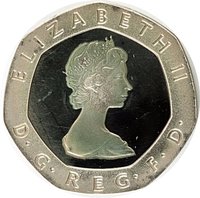
Queen Elizabeth II crowned portrait, wearing Girls of Great Britain and Ireland tiara.
Inscription:
ELIZABETH·II D·G·REG·F·D·1983
Translation:
Elizabeth II, by the Grace of God, Queen, Defender of the Faith, 1983
Script: Latin
Language: Latin
Engraver: Arnold Machin
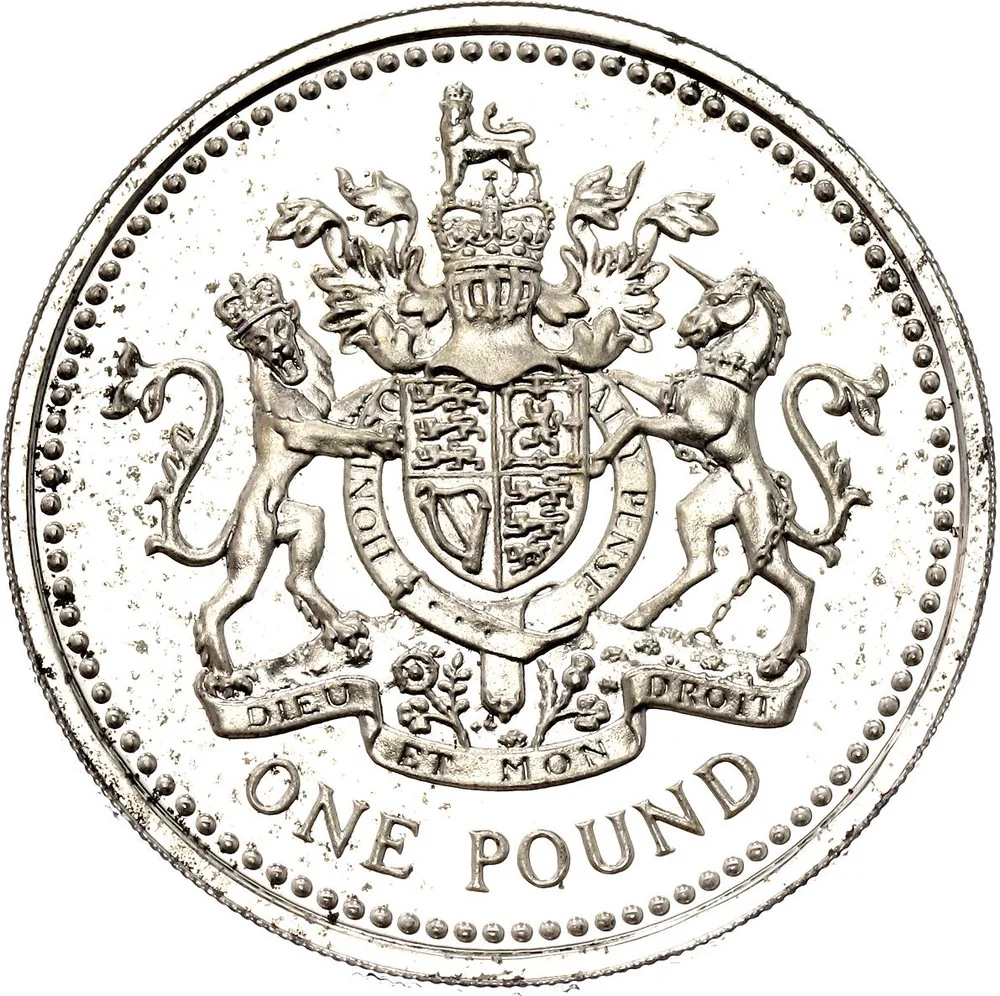
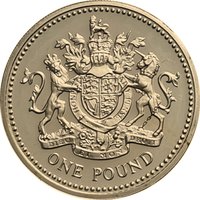
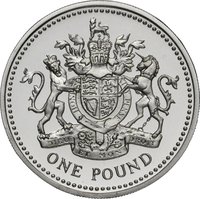
Reverse
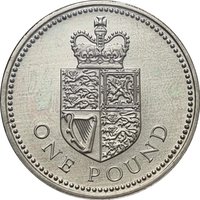
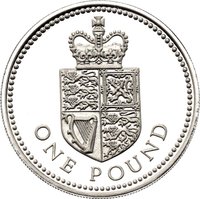
Description:
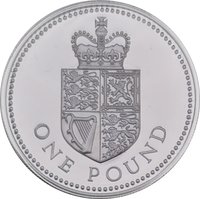
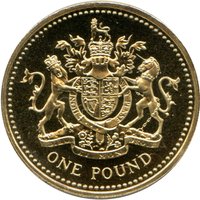
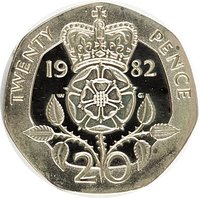
Royal Arms with supporters, denomination beneath.
Inscription:
HONI SOIT QUI MAL Y PENSE
DIEU ET MON DROIT
ONE POUND
DIEU ET MON DROIT
ONE POUND
Translation:
Shame on him who thinks evil of it
God and my right
One Pound
God and my right
One Pound
Script: Latin
Languages: Old French, French
Engraver: Eric Sewell
Edge
Milled with incuse lettering
Legend:
DECUS ET TUTAMEN
Translation:
An ornament and a safeguard
Language: Latin
Categories
| Symbols> Coat of Arms |
Mints
| Name | Mark |
|---|---|
| Royal Mint | — |
Mintings
| Year | Mint Mark | Mintage | Quality | Collection |
|---|---|---|---|---|
| 1983 | — | 50,000 | Proof |
Historical background
In 1983, the United Kingdom's currency situation was characterised by the ongoing struggle to maintain the value of the pound sterling within the European Exchange Rate Mechanism (ERM), which it had joined in 1979. The government, led by Prime Minister Margaret Thatcher and Chancellor Sir Geoffrey Howe, was committed to a strong pound as a cornerstone of its anti-inflationary monetary policy. However, this policy created significant tension, as the high exchange rate severely damaged the competitiveness of British exports, exacerbating the deep recession and record unemployment that had marked the early 1980s.
The strong pound was largely a product of the government's Medium Term Financial Strategy and the high interest rates necessary to control money supply growth and curb inflation, which had peaked at over 20% in 1980. While this succeeded in bringing inflation down to around 5% by 1983, it attracted substantial hot money inflows, keeping sterling artificially high. This "oil premium"—a belief that sterling was a petrocurrency buoyed by North Sea oil revenues—further complicated management, masking underlying economic weaknesses.
Ultimately, the currency policy of 1983 was a balancing act with profound domestic consequences. The strong pound helped break the inflationary spiral but at the cost of industrial decline, particularly in manufacturing. This period set the stage for future turmoil, as the contradictions between a high sterling parity, domestic economic needs, and ERM commitments would eventually culminate in the Black Wednesday crisis of 1992, when the UK was forced to withdraw from the mechanism.
The strong pound was largely a product of the government's Medium Term Financial Strategy and the high interest rates necessary to control money supply growth and curb inflation, which had peaked at over 20% in 1980. While this succeeded in bringing inflation down to around 5% by 1983, it attracted substantial hot money inflows, keeping sterling artificially high. This "oil premium"—a belief that sterling was a petrocurrency buoyed by North Sea oil revenues—further complicated management, masking underlying economic weaknesses.
Ultimately, the currency policy of 1983 was a balancing act with profound domestic consequences. The strong pound helped break the inflationary spiral but at the cost of industrial decline, particularly in manufacturing. This period set the stage for future turmoil, as the contradictions between a high sterling parity, domestic economic needs, and ERM commitments would eventually culminate in the Black Wednesday crisis of 1992, when the UK was forced to withdraw from the mechanism.
Series: Heraldic Emblems series
🌟 Uncommon